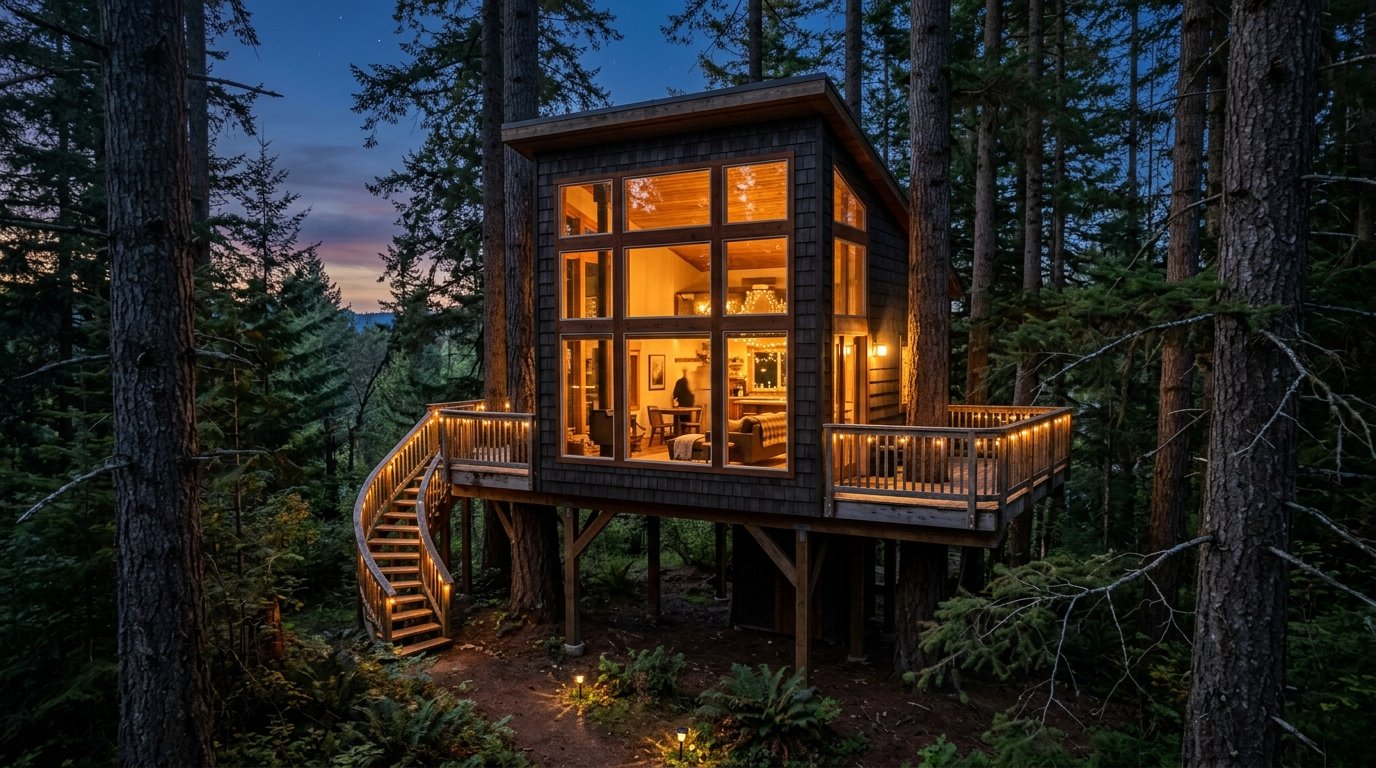
22 Luxury Treehouse Design Ideas That Save You $15,000
Contractors charge absolute premium rates the second you mention building off the ground. Getting that modern cabin in the woods aesthetic usually requires a custom architecture firm and a six figure loan. Smart builders bypass those massive invoices through strategic material sourcing and simple design swaps. Crafting a beautiful adult tree house relies entirely on clever texture mixing rather than unlimited budgets. Getting that perfect visual storytelling aesthetic for your social media channels takes planning instead of raw spending. I tracked exact material costs to figure out where the real budget leaks happen. You keep thousands of dollars in your pocket by avoiding the traditional retail building traps.
You will cut roughly $15,000 from your build budget by applying these specific retail swaps. We break down the massive price gaps between hiring custom treehouse builders and sourcing materials from local salvage yards. Expect to drop your window budget by seventy percent and eliminate heavy machinery rental fees entirely. Creating a high end cozy treehouse requires targeted focal points. We skipped the basic carpentry tips and focused strictly on the visual elements that trick the eye into seeing custom luxury.
1. Repurposed Shipping Containers
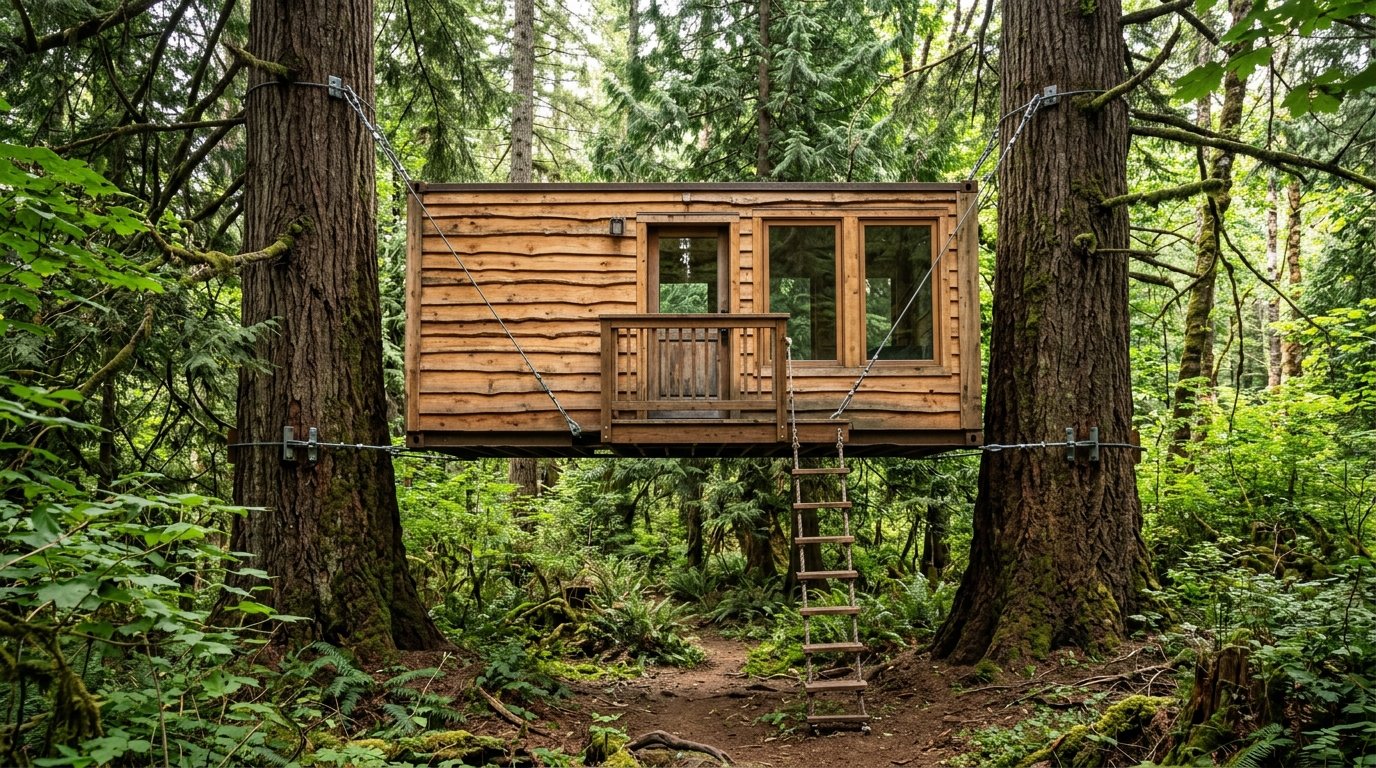
Hoisting a fully custom framed structure into the canopy easily costs $25,000 in raw lumber and labor. Buying a used twenty foot shipping container costs roughly $2,500 from local freight yards. You save $22,500 on the main structural shell alone. Welders can secure the steel box across heavy load bearing beams much faster than carpenters can frame walls. People assume steel boxes look cold and industrial. Wrapping the exterior in cheap rough cut pine completely hides the metal origins. This heavy duty swap provides an indestructible core for your home in forest nature.
2. Salvaged Window Walls
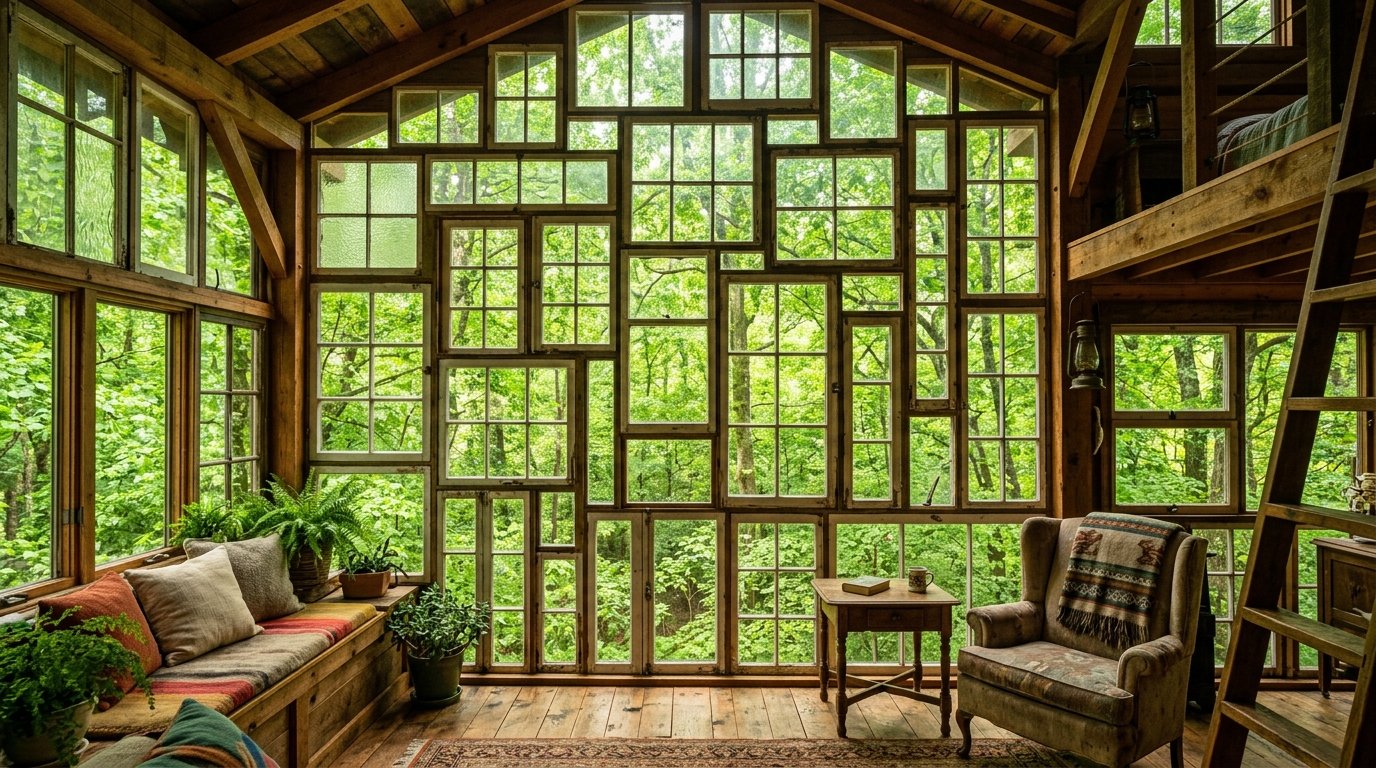
Ordering custom oversized tempered glass panels from a manufacturer runs about $8,000. Hunting at Habitat for Humanity ReStore locations yields massive discarded commercial windows for $400 total. You save $7,600 simply by designing your wall frames around the glass you find. Builders make the massive mistake of framing the wall first and ordering custom glass to fit the hole. Buying the cheap glass first and building the wood around it slashes your budget. Wall to wall glass provides that luxury treehouse feeling instantly.
3. Faux Cedar Shake Siding
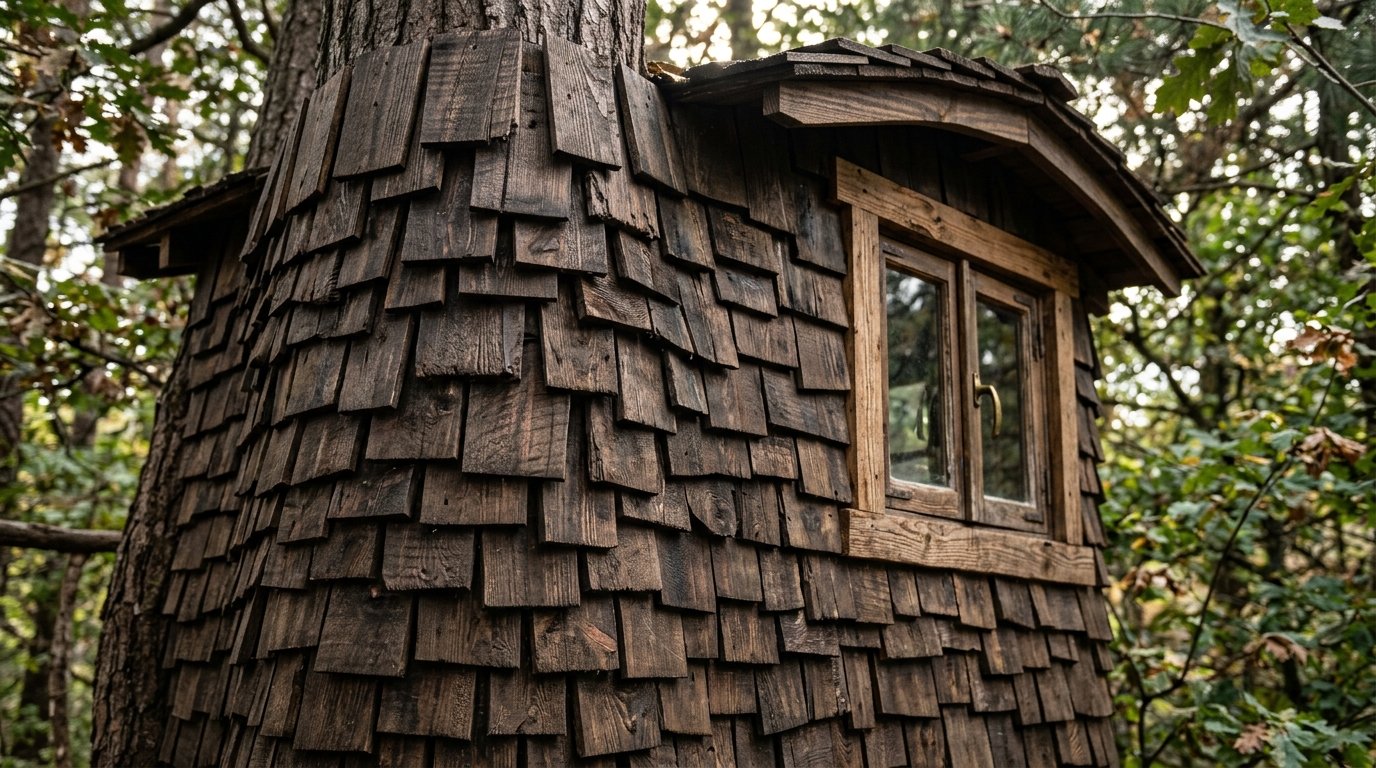
Real cedar shake siding costs roughly $4,000 to cover a tiny tree house exterior. Buying raw pine offcuts from a local sawmill and staining them dark brown costs $500. You save $3,500 while achieving that exact same rustic hobbit house plans aesthetic. Nail the pine slabs in staggered overlapping rows to mimic premium shingles. Woodworkers often buy perfectly smooth premium lumber for exterior siding. Rough textured wood actually holds protective stain better and looks incredibly authentic on camera.
4. Solar Powered Battery Banks
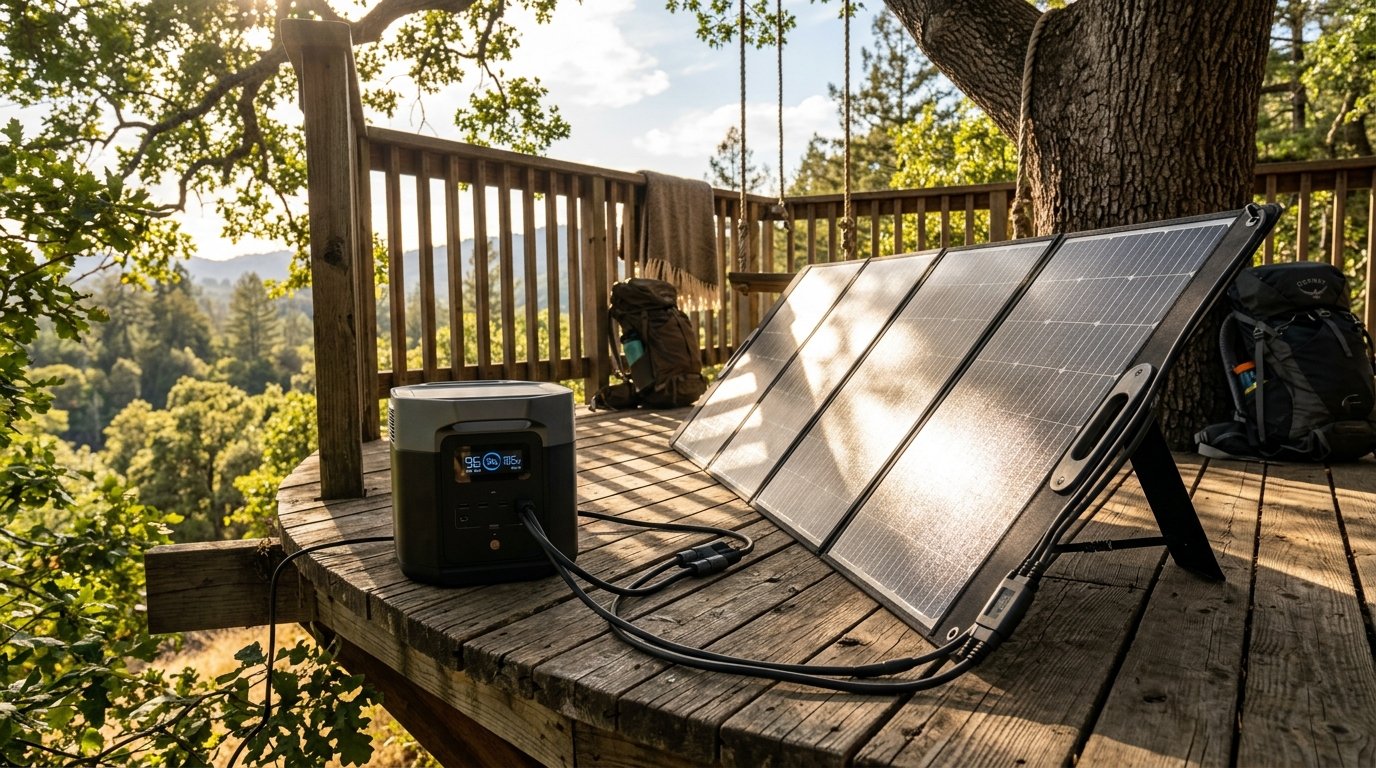
Trenching standard electrical lines a few hundred yards into the woods costs $5,000 easily. Purchasing a portable Bluetti or Jackery solar power station costs roughly $800. You save $4,200 and avoid tearing up the forest floor with heavy excavators. Set the solar panels on the roof facing south to keep the battery topped off daily. Off grid builders waste money paying utility companies for new poles and meters. A robust portable battery runs your lights and small appliances without any monthly bills.
5. Reclaimed Hardwood Flooring
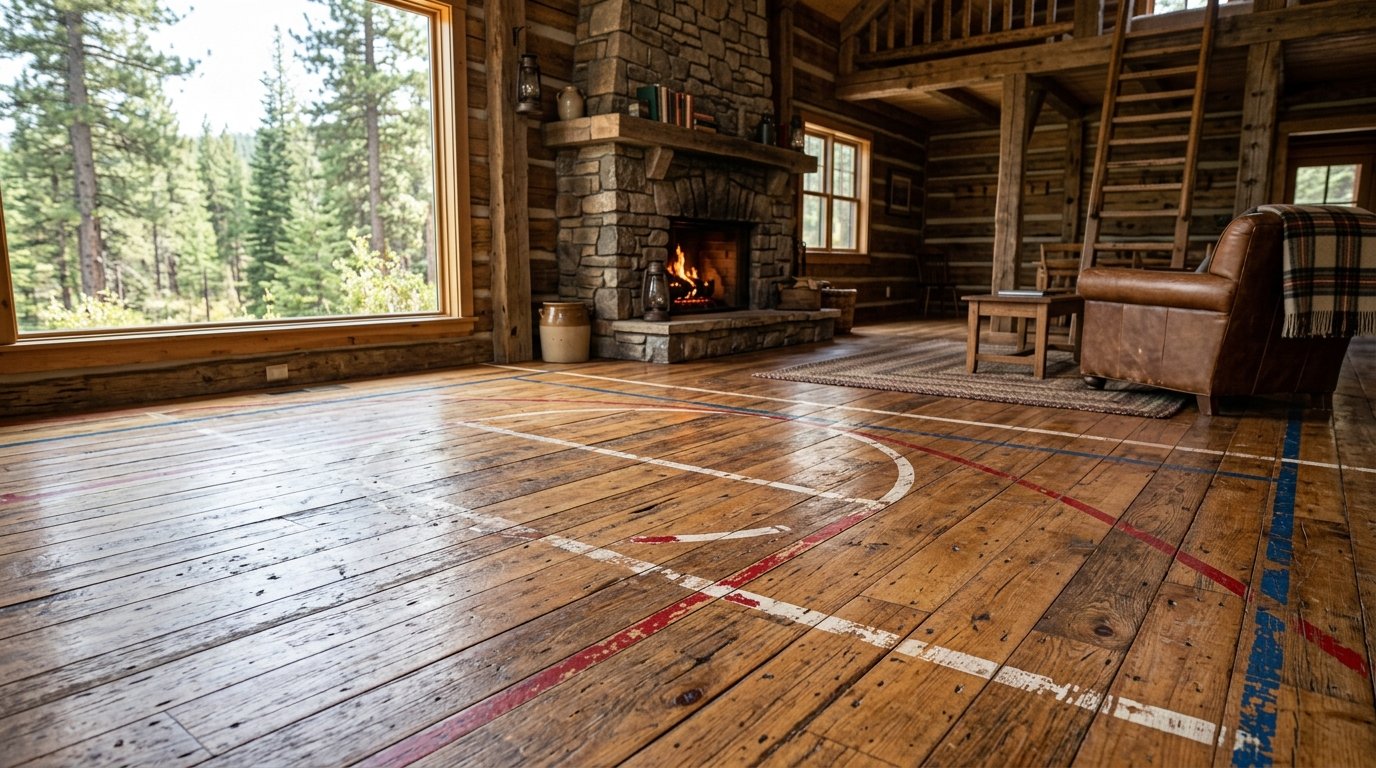
Buying brand new wide plank oak flooring sets you back $3,000 at specialty retailers. Ripping up discarded gymnasium flooring from local demolition sites costs about $300. You save $2,700 and secure incredibly durable maple wood. Sand off the old painted sports lines to reveal a stunning bright grain underneath. Novice builders buy cheap laminate flooring thinking they are saving money. Laminate warps terribly in unheated cabins during the winter months. Solid salvaged wood expands and contracts naturally with the forest humidity.
6. Heavy Canvas Awnings
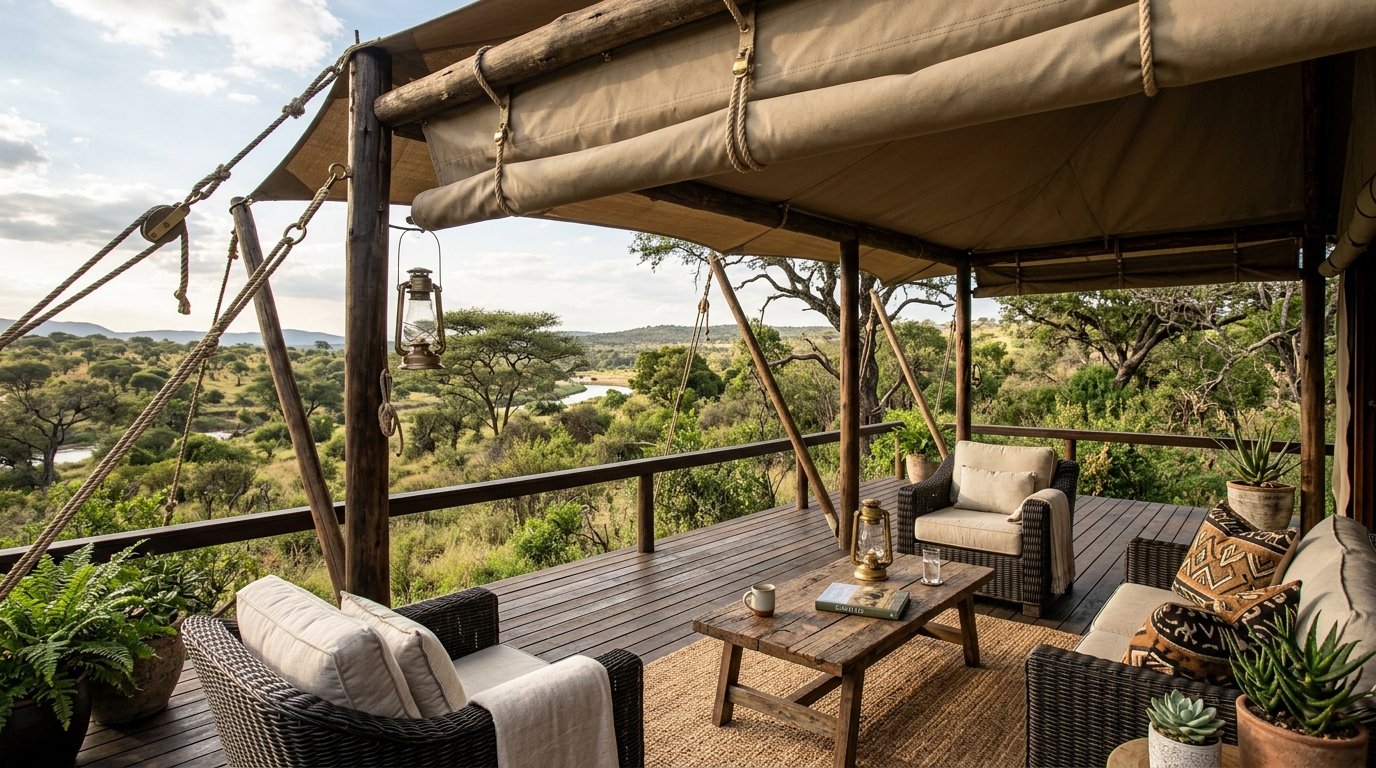
Fabricating a custom metal awning over your outdoor deck costs $2,000 from a metal shop. Buying heavy duty painter canvas drop cloths from Lowe’s costs $50. You save $1,950 while getting a beautiful safari style shade structure. Spray the canvas heavily with waterproofing silicone spray to repel rain storms. Stretching canvas tight over cheap wooden poles creates a massive visual footprint for pennies. That soft fabric aesthetic photographs beautifully and feels incredibly high end.
Splurge vs Save Awnings
- Custom Metal Roof costs $2,000.
- Corrugated Plastic Roof costs $400.
- Treated Canvas Drop Cloth costs $50. The canvas gives you the best aesthetic return on investment.
7. Plywood Interior Paneling
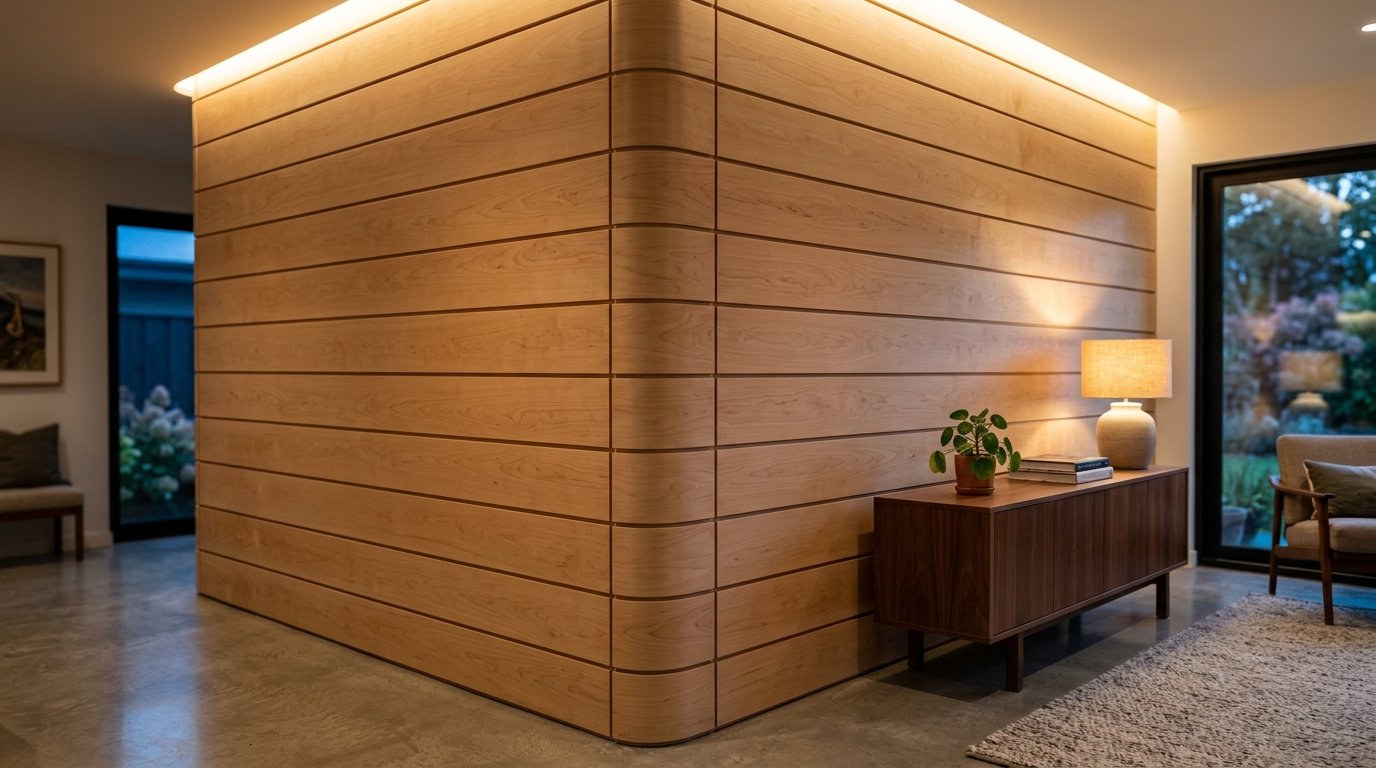
Hiring drywall finishers to tape and mud walls high up in the trees costs $2,500. Buying cabinet grade birch plywood sheets from Home Depot costs $400. You save $2,100 and completely skip the messy drywall dust. Cut the plywood into wide horizontal strips and nail them to the studs like shiplap. People hate plywood because they picture cheap construction grade material. High grade birch plywood finished with a clear poly coat looks exactly like an expensive modern cabin in the woods.
8. Secondhand Wood Stoves
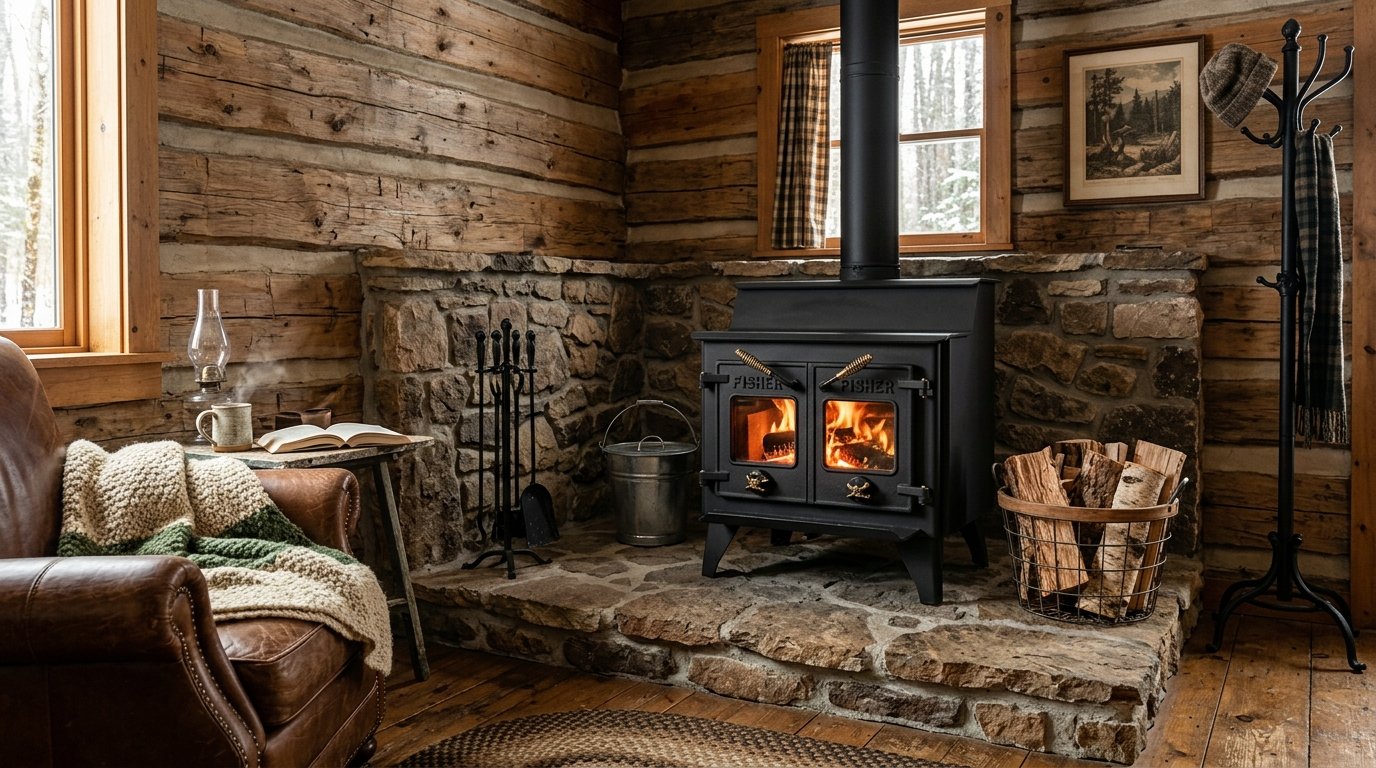
A brand new cast iron wood stove runs $3,000 at a fireplace dealership. Sourcing a vintage Fisher stove on Facebook Marketplace costs maybe $300. You save $2,700 on your primary heating source. Spend a weekend scrubbing the surface with a wire brush and applying fresh high heat black paint. Heating an uninsulated structure with electric space heaters destroys your budget fast. A cheap vintage wood stove pumps out massive heat and acts as the perfect cozy focal point.
9. Off Grid Composting Toilets
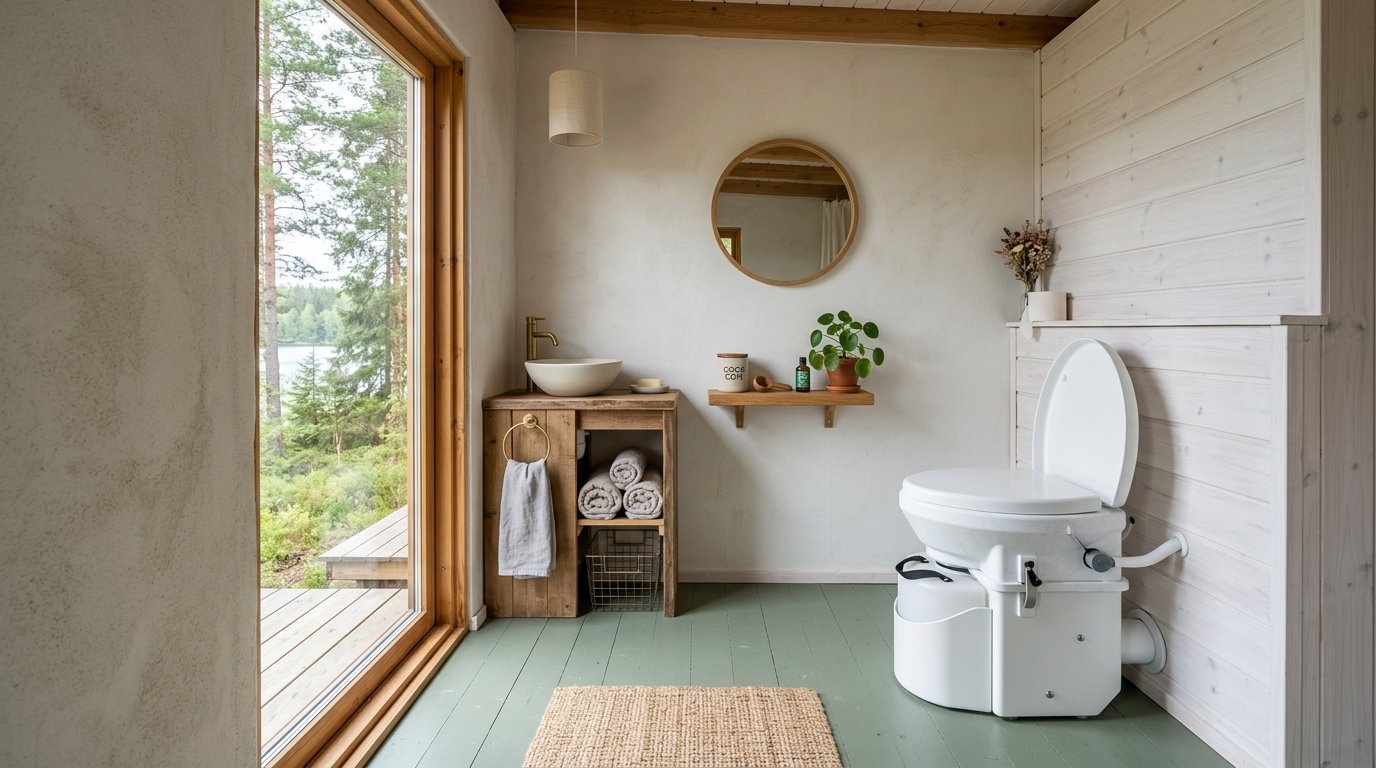
Installing a traditional septic tank and drain field costs $10,000 in most rural counties. Buying a self contained Nature’s Head composting toilet costs $1,000. You save $9,000 and bypass massive permitting headaches. Mount the exhaust fan through the wall to keep the bathroom smelling perfectly fresh. Plumbers charge an absolute fortune to run pipes suspended in the air. A premium composting system gives you indoor comfort without the massive infrastructure bill.
10. Corrugated Metal Roofing
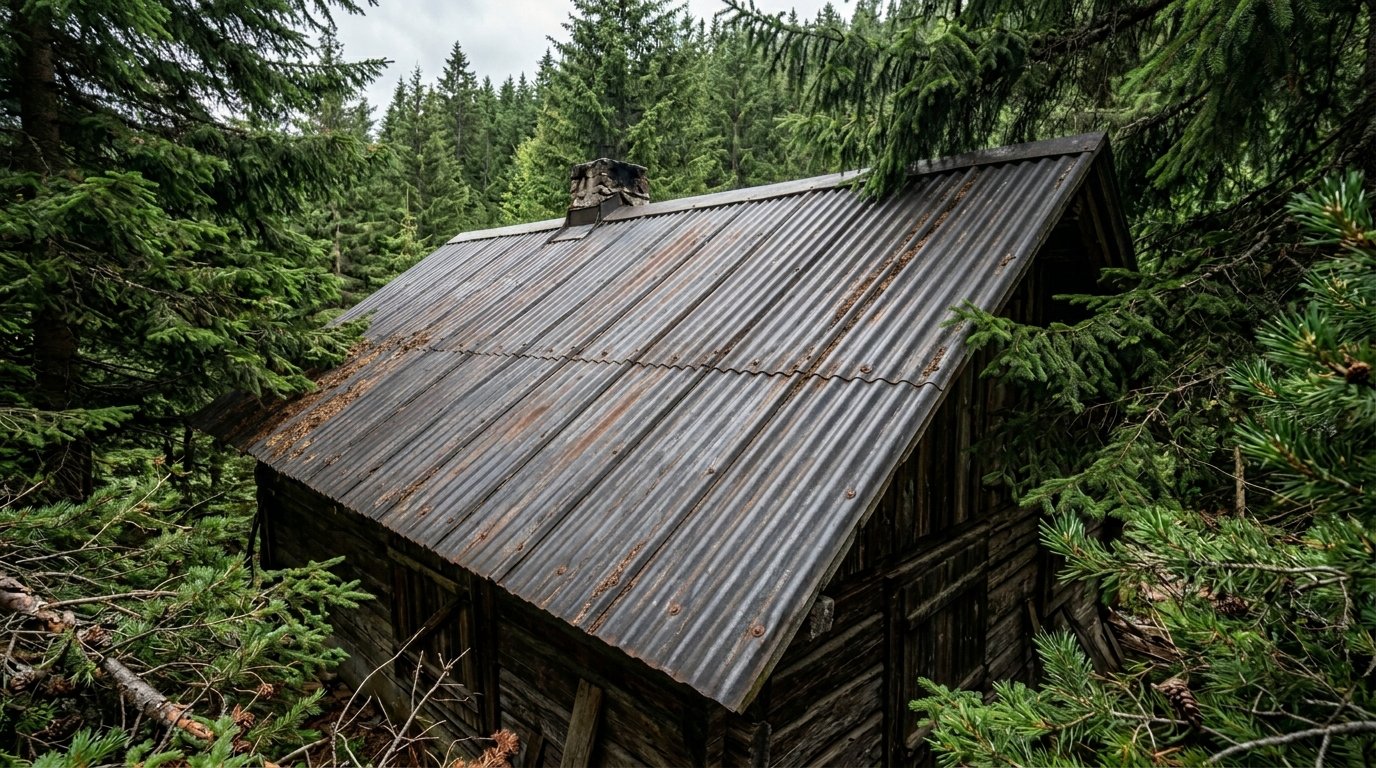
Architectural asphalt shingles cost $1,500 and weigh a literal ton. Sourcing used corrugated agricultural metal roofing costs $200 from local farmers. You save $1,300 and put significantly less stress on your structural beams. Check the old metal for rust holes and seal them with cheap rubberized roof patch. The sound of rain hitting a tin roof provides the ultimate cozy treehouse experience. Shingles eventually blow off during heavy forest wind storms. Screwed down metal panels stay perfectly intact for decades.
11. Upcycled Deck Railings
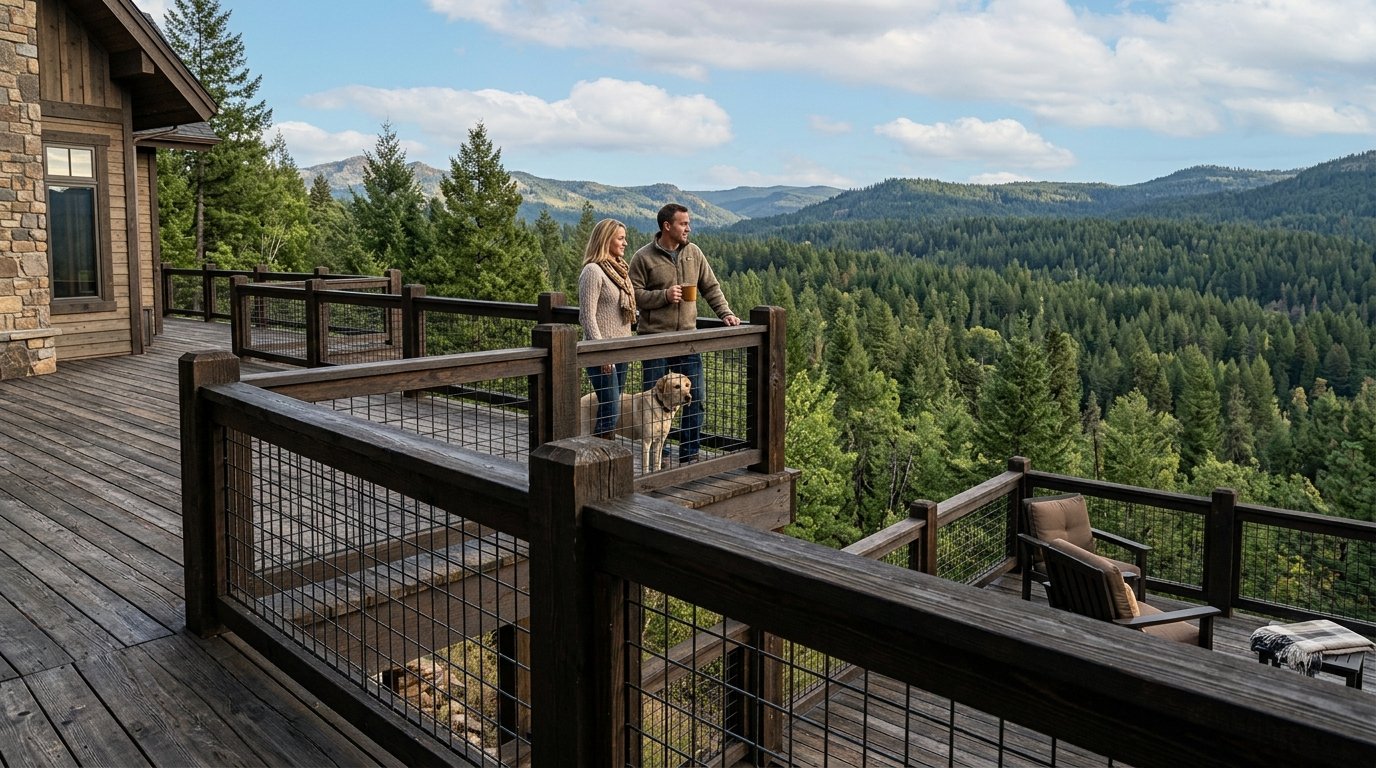
Custom stainless steel cable railings cost $2,000 for a small wrap around deck. Buying welded wire cattle panels from Tractor Supply costs $150. You save $1,850 while maintaining an unobstructed view of the forest. Frame the metal grids tightly inside cheap pressure treated two by fours. Builders waste cash on thick wooden balusters that block the scenery completely. The thin wire grids disappear visually and keep you perfectly safe up in the canopy.
12. Rainwater Catchment Systems
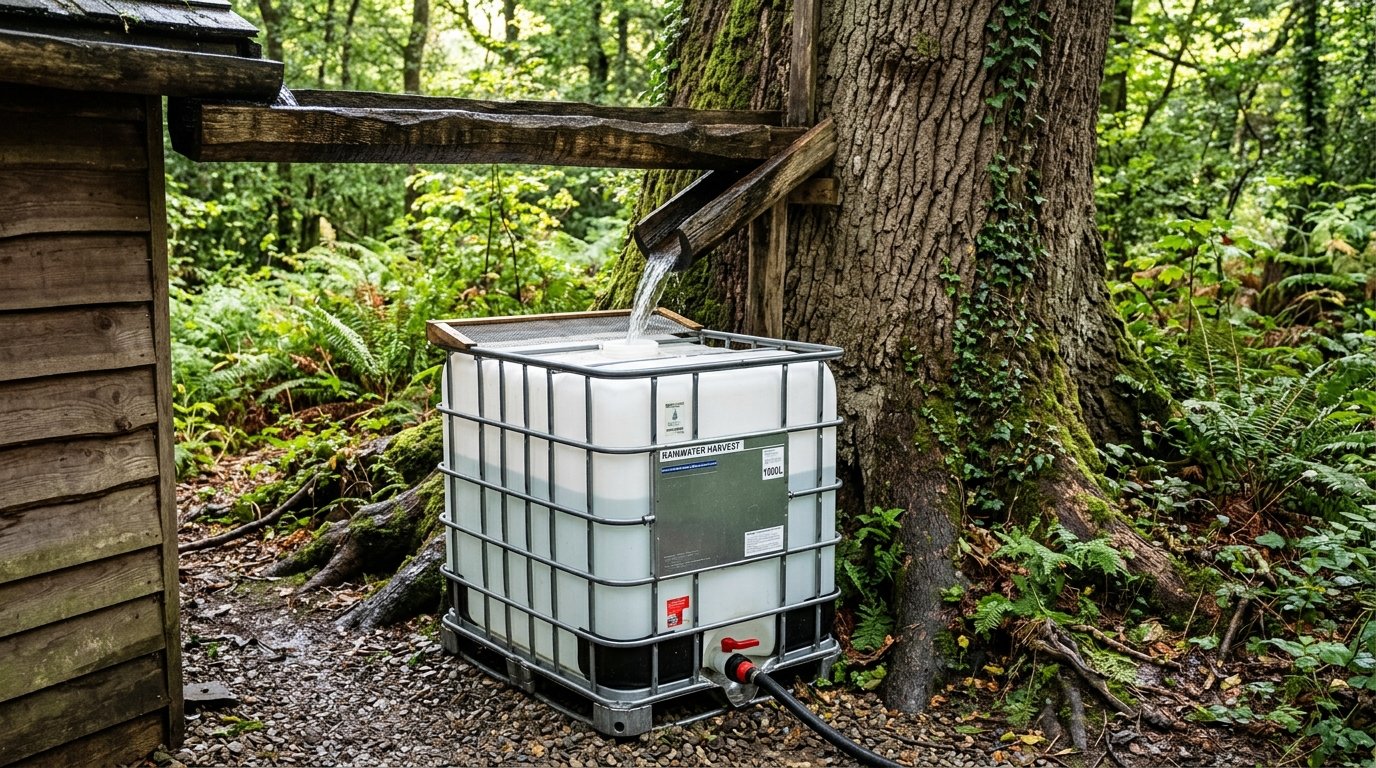
Running a new well and water line costs $6,000 on rural property. Buying a used 275 gallon IBC tote to catch rainwater costs $100. You save $5,900 on your primary water source. Run a cheap plastic gutter from your roof directly into the storage tank. You only need expensive purified water for drinking. Filtered rainwater works perfectly for washing dishes and taking showers in your awesome tree houses. You skip the massive drilling equipment completely.
13. Thrifted Leather Seating
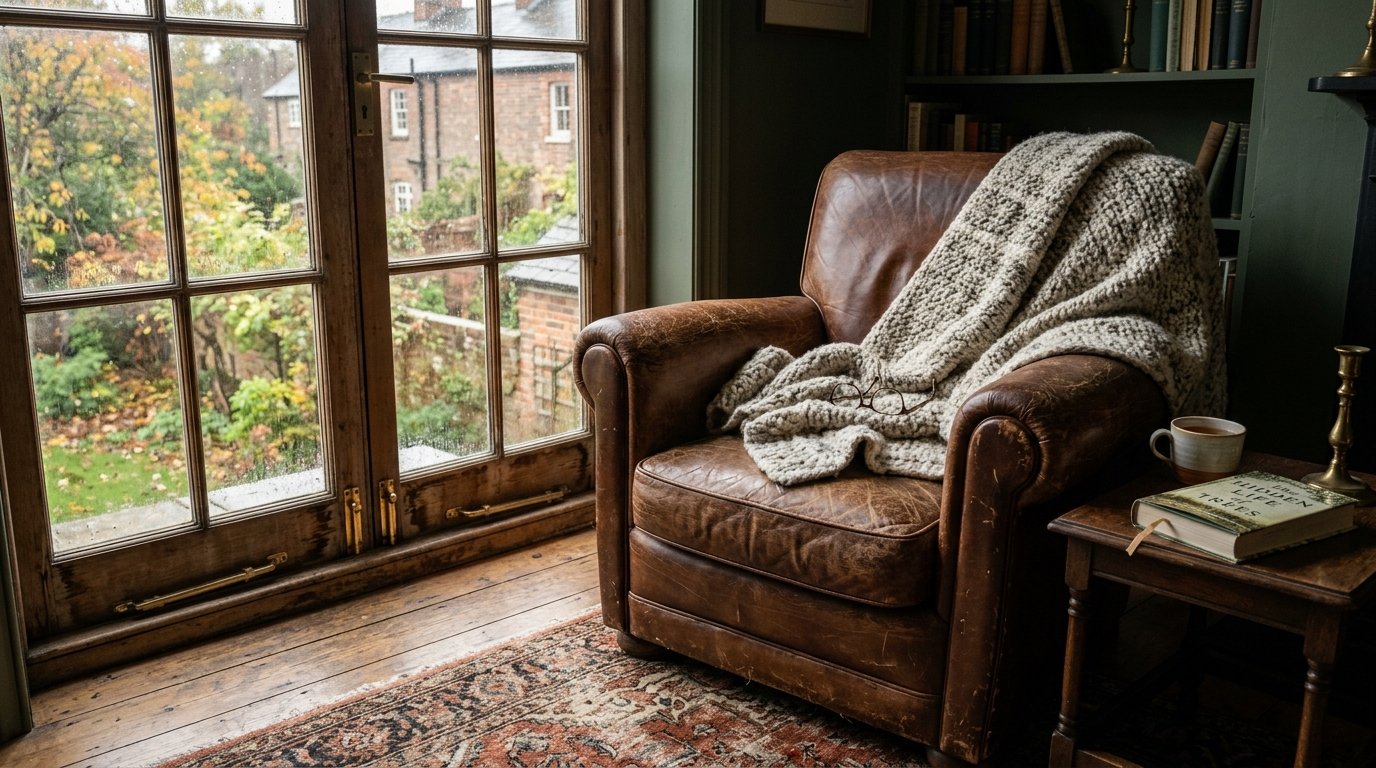
A brand new leather club chair from West Elm runs $1,500. Finding a worn vintage leather armchair at Goodwill costs roughly $40. You save $1,460 and gain authentic rugged character. Condition the old leather with cheap saddle soap to bring the rich brown color back to life. Cheap modern polyester couches trap damp forest smells immediately. Real aged leather repels odors and fits the adult tree house aesthetic perfectly. Focus your budget purely on the textiles you actually sit on.
The Thrifted Furniture Rule
Never buy new upholstery for an outdoor cabin. Humidity destroys cheap foam within a year. Always hunt for vintage leather or heavy wool pieces that already survived decades of use.
14. Propane On Demand Heaters
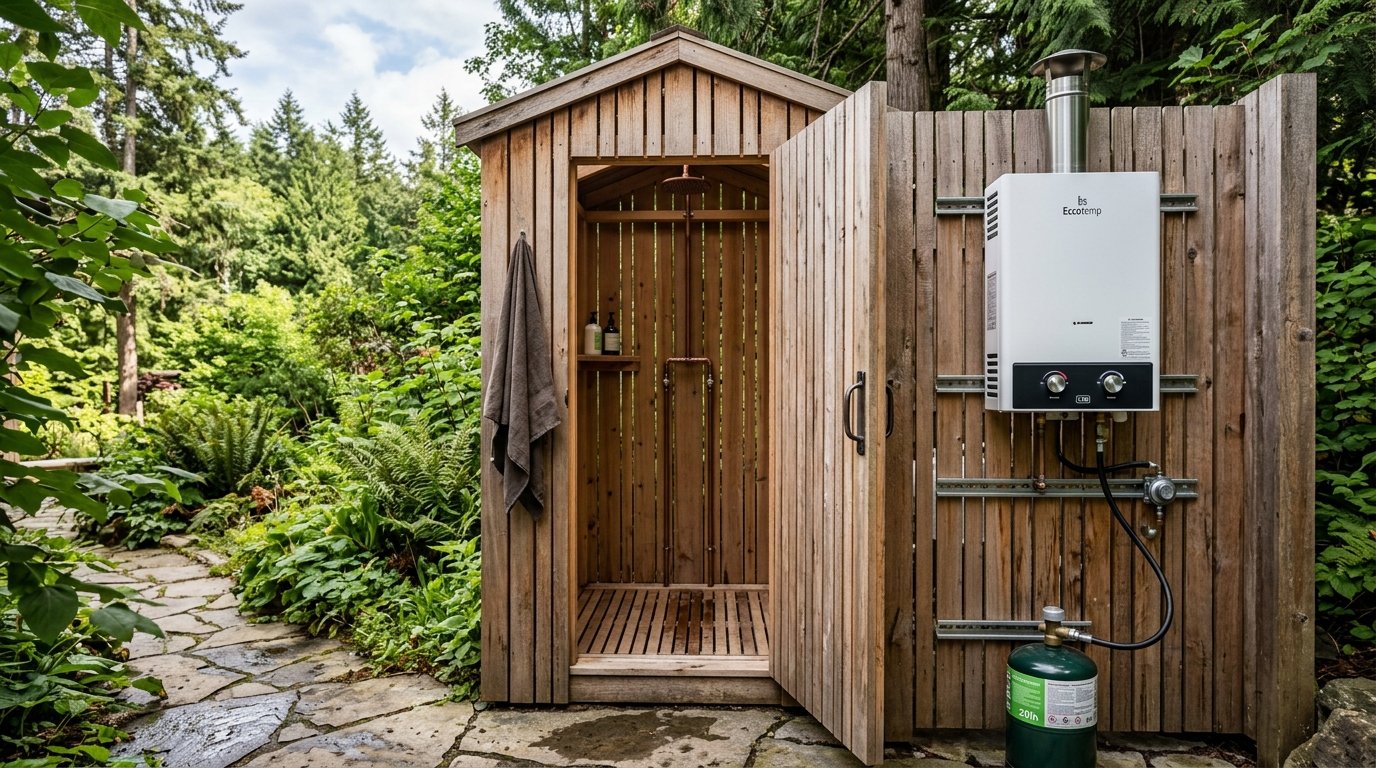
Installing a traditional fifty gallon water heater costs $1,000 plus massive electrical upgrades. Hanging a Camplux portable propane water heater costs $150. You save $850 and get instant hot water for your outdoor shower. Run the unit off a standard twenty pound grill tank hidden under the deck. Keeping fifty gallons of water hot all day wastes massive amounts of energy. Heating water only exactly when you turn the faucet saves you hundreds every single year.
15. Symmetrical Sconce Lighting
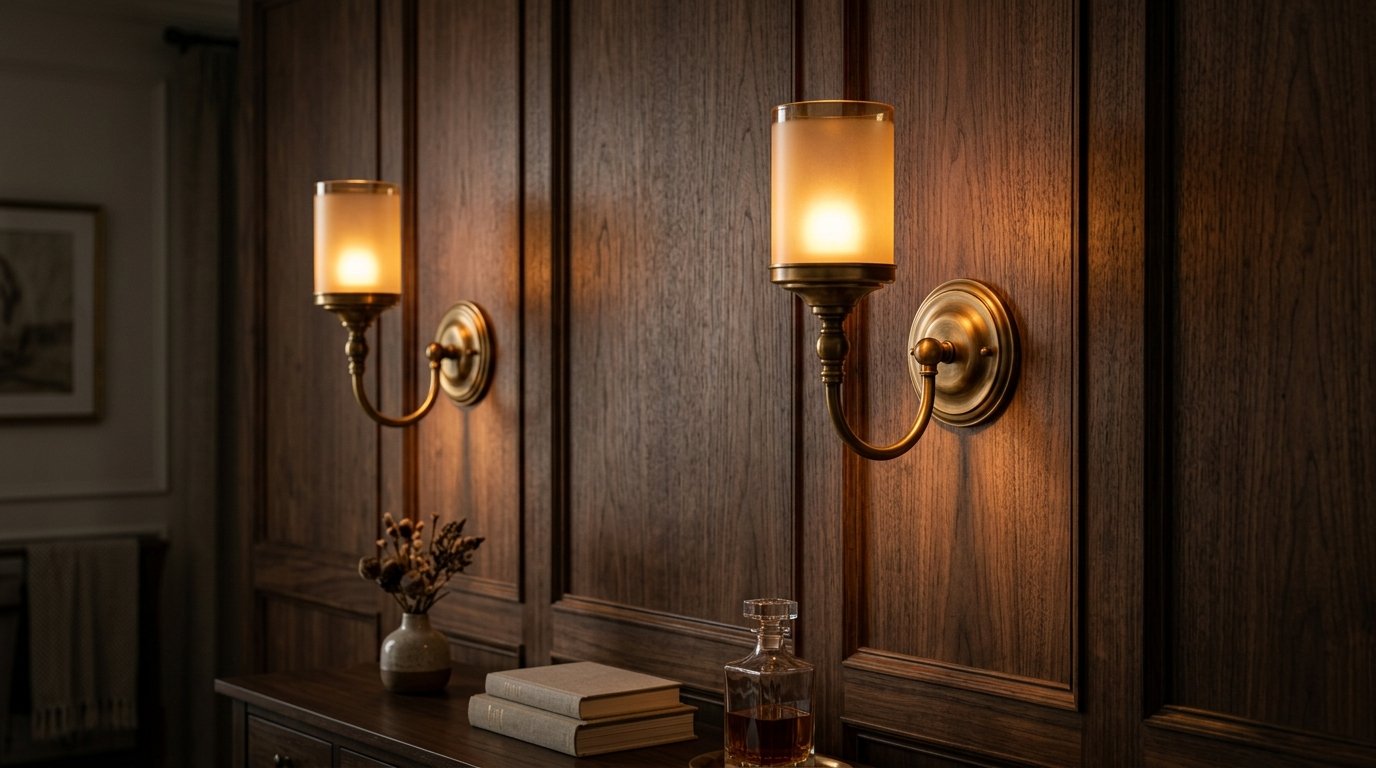
Hardwiring wall sconces throughout the room costs $800 in electrician fees. Mounting cheap brass fixtures from Amazon and inserting battery operated puck lights costs $40. You save $760 and bypass drilling holes through your beautiful wood paneling. Stick the lights inside the sconces using heavy duty command strips. Great visual storytelling requires warm layered lighting at night. These remote controlled puck lights give you that expensive hotel vibe without drawing any power from your solar bank.
16. DIY Cable Suspensions
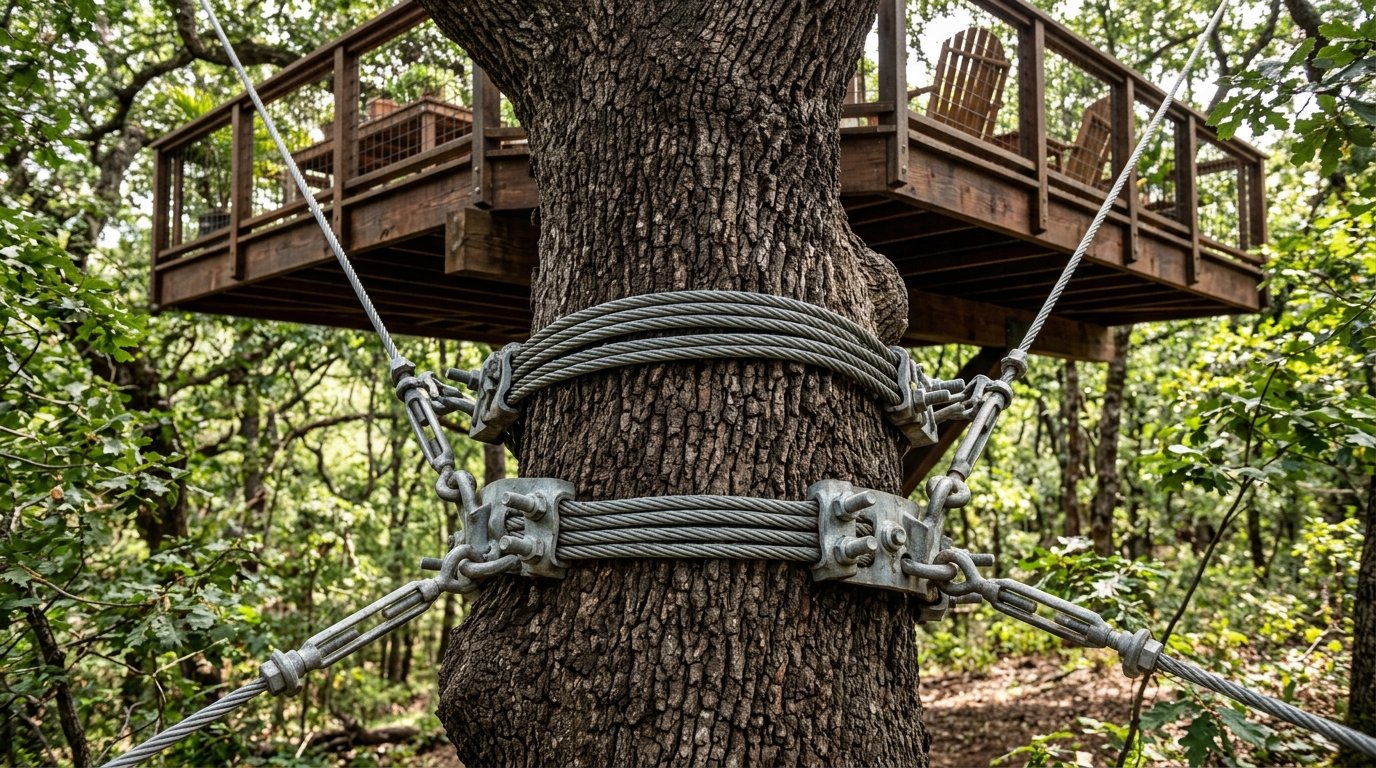
Hiring a specialized rigging company to hang a bridge costs $4,000 easily. Buying thick galvanized steel cable from a farm supply store costs $300. You save $3,700 by setting the hardware yourself. Use heavy duty drop forged wire rope clips to secure the loops around thick anchor trees. People assume a tree house home must sit rigidly on wooden posts. Letting the structure float slightly on steel cables reduces wind stress and feels incredibly luxurious.
17. Locally Milled Timber
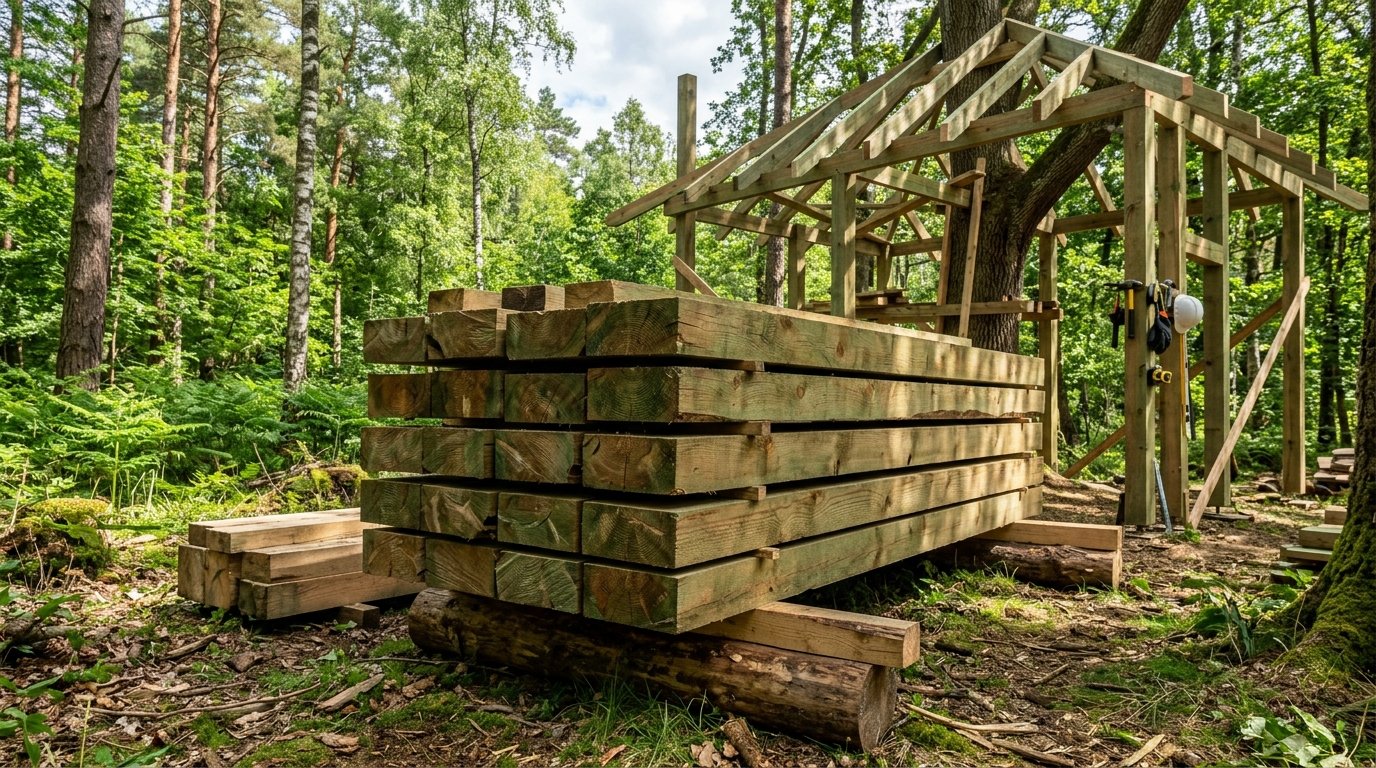
Buying perfectly straight dimensional lumber from Home Depot costs $5,000 for a large deck. Driving your truck to a local independent sawmill cuts that price to $1,500. You save $3,500 and support sustainable regional forestry. Ask the sawyer for rough cut green lumber straight off the blade. Corporate lumber yards mark up their wood to cover massive cross country shipping costs. Sourcing heavy timber locally acts as a brilliant sustainable management strategy that protects your wallet.
18. Thrifted Oriental Rugs
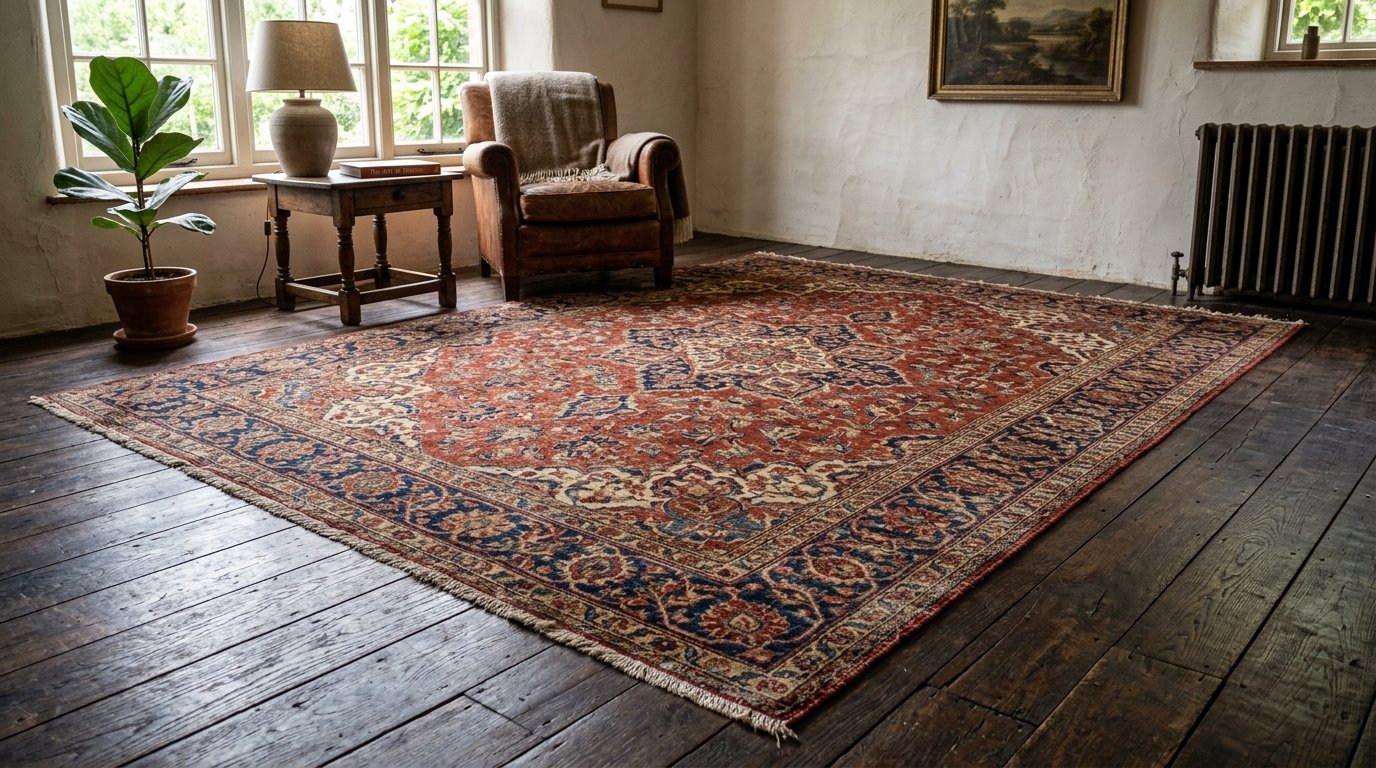
Purchasing a massive new outdoor rug costs $400 online. Digging through flea markets for a genuine faded wool Persian rug costs $50. You save $350 while adding serious historic texture to your floor. Shake the dust out and let the rug bake in the hot sun for a day to kill any odors. Modern synthetic rugs look cheap and plastic inside a rustic cabin. A heavily worn vintage rug grounds the room and provides deep cozy warmth underfoot.
19. Painted OSB Subfloors
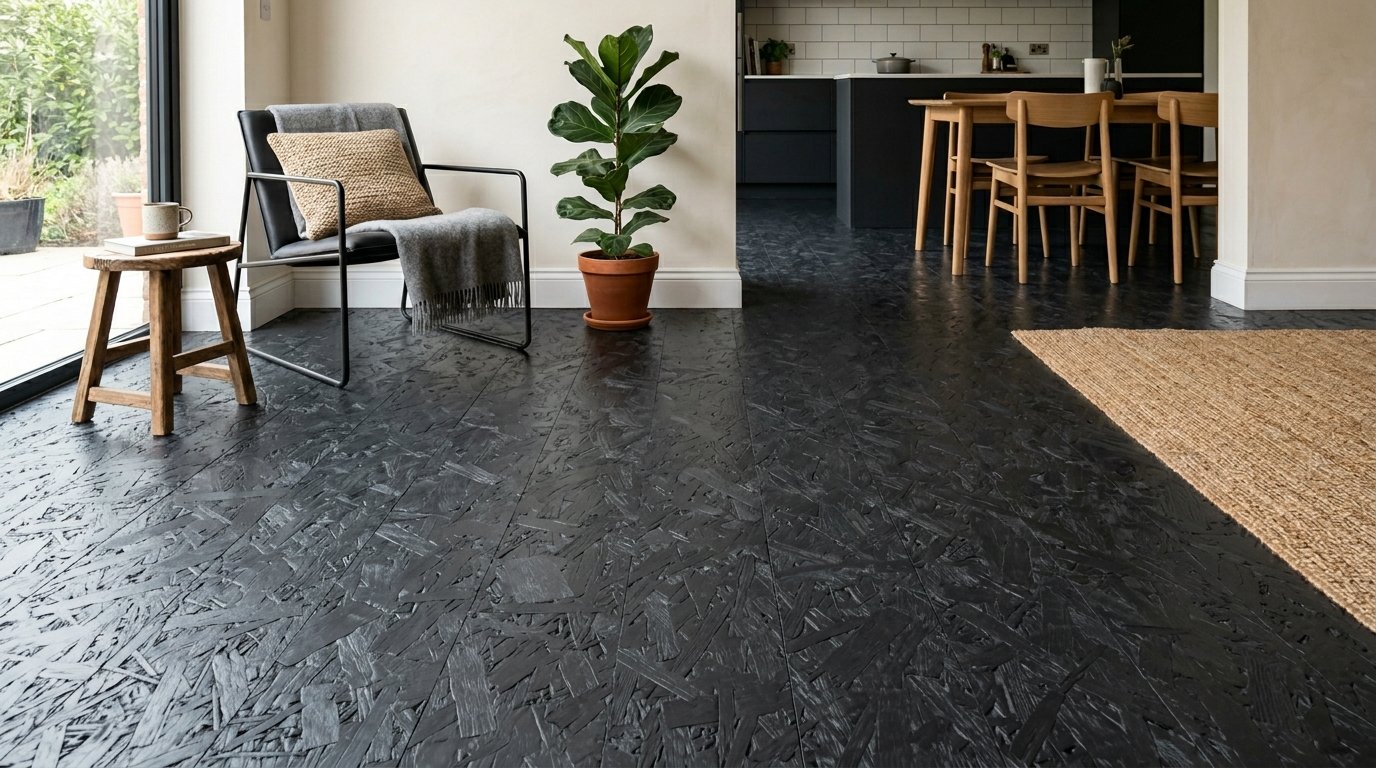
Laying down luxury vinyl plank over your subfloor costs $1,000. Painting the raw OSB subfloor with heavy duty porch enamel costs $100. You save $900 on a floor nobody will really notice once the rugs go down. Roll three thick coats of dark charcoal paint to seal the wood flakes completely. Bare wood floors stain easily from muddy boots. A thick painted shell resists water damage and sweeps clean in seconds.
20. Open Shelving Kitchens
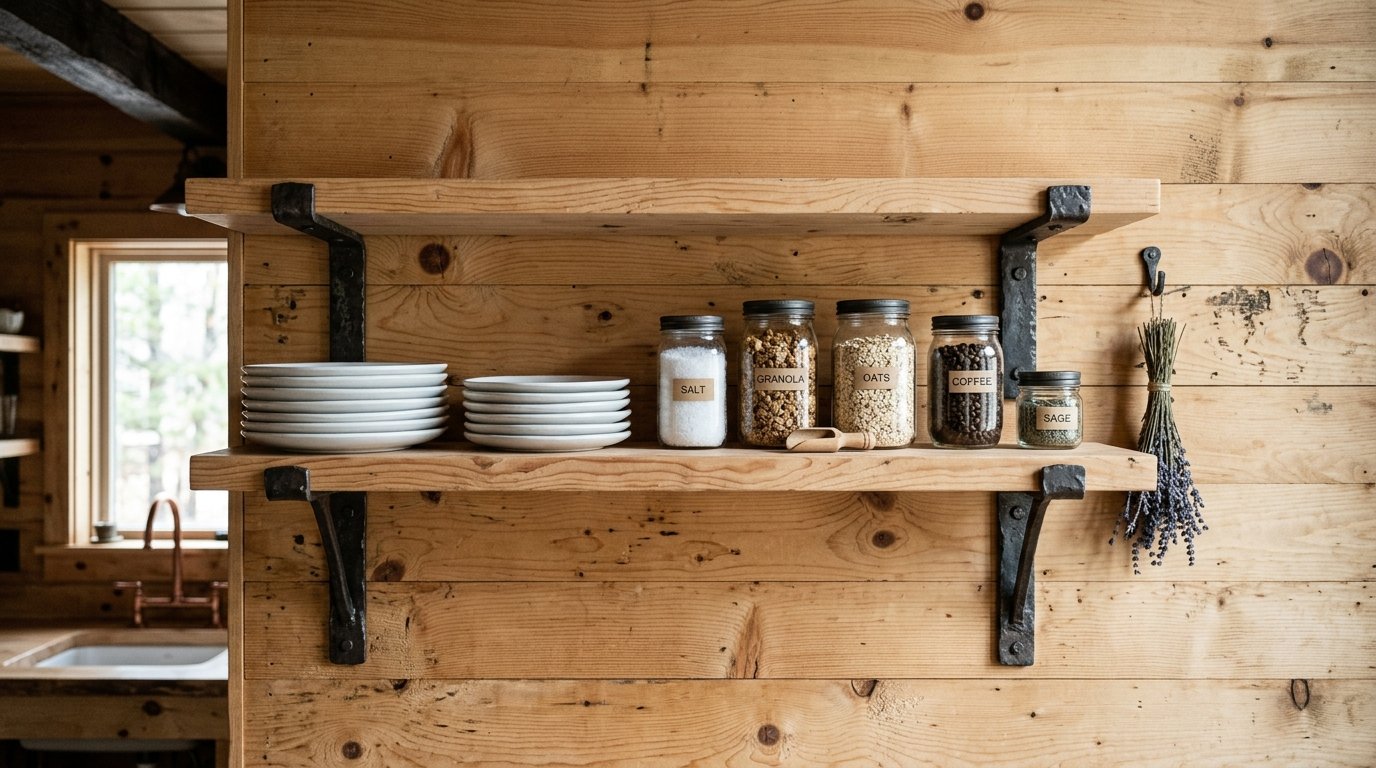
Ordering basic kitchen cabinets and doors costs $3,000 minimum. Screwing basic pine boards to heavy iron shelf brackets costs $100. You save $2,900 and make the tiny tree house feel twice as large. Stack your cheap white plates and glass jars openly to act as functional decor. Heavy wooden upper cabinets block the natural light from your windows. Open shelving forces you to stay organized and creates a beautiful minimalist aesthetic.
21. Murphy Bed Installations
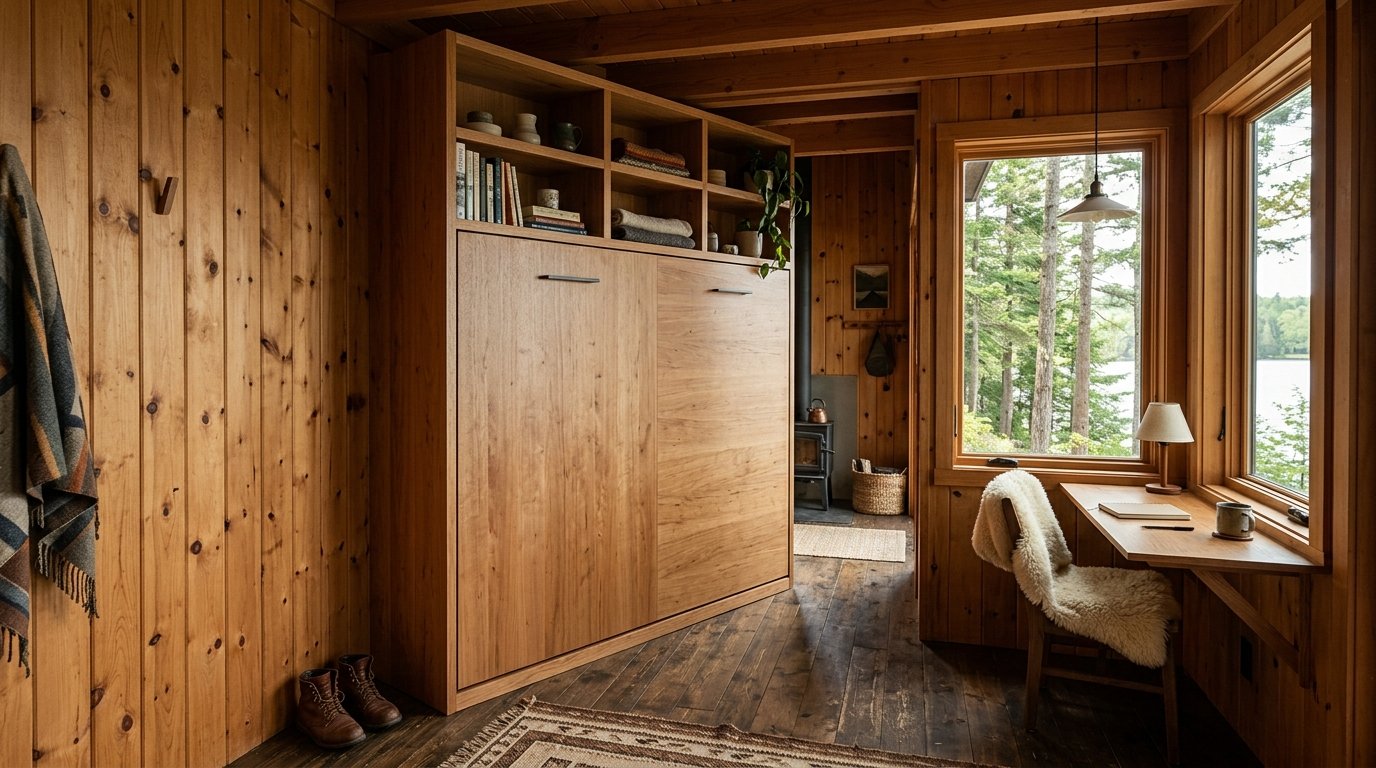
Building a separate bedroom addition onto your floor plan costs $10,000 in materials. Buying a basic Murphy bed hardware kit from Amazon costs $150. You save $9,850 by making one room serve two distinct purposes. Build the wooden bed box yourself using cabinet grade plywood. Adding square footage high in the trees creates massive engineering headaches. Folding the bed into the wall gives you a huge yoga studio or living room during the day.
22. Heavy Linen Curtains
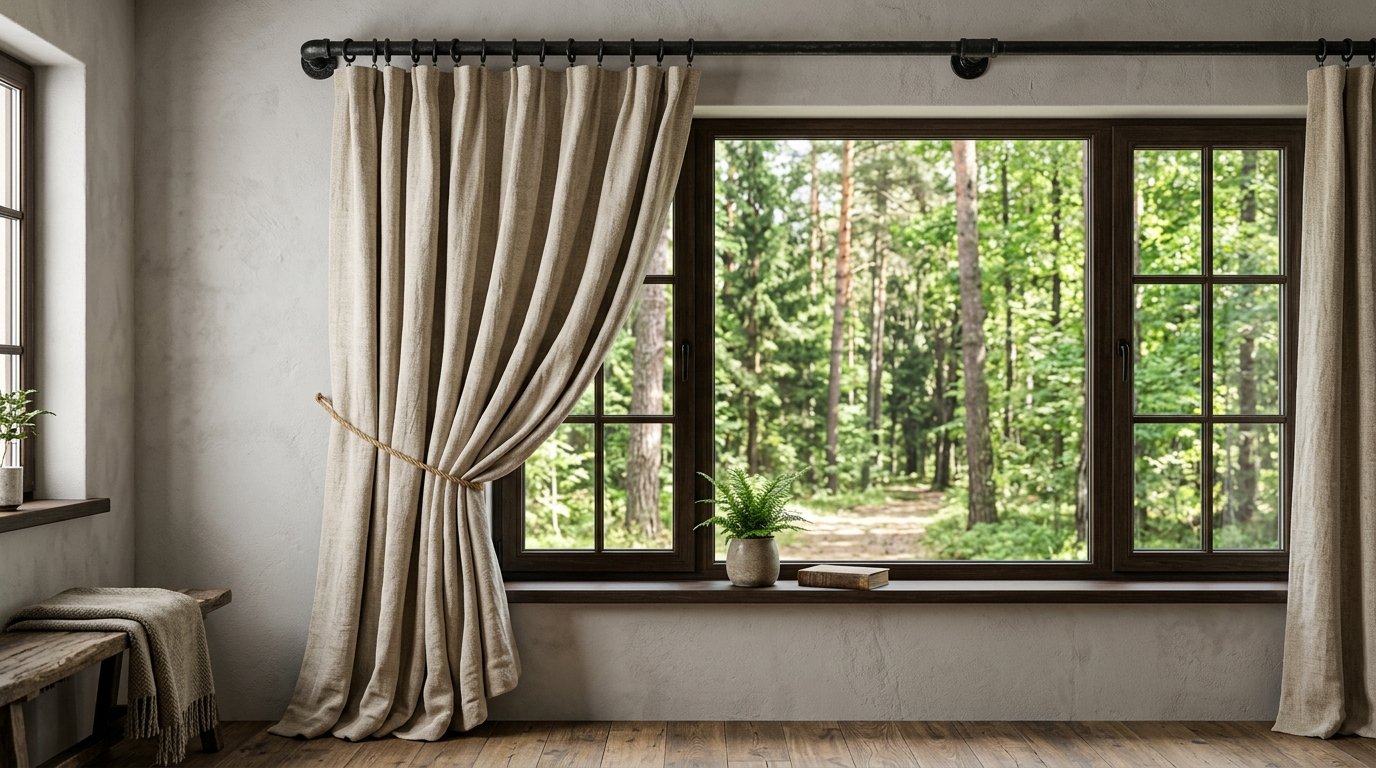
Custom fitted blackout blinds for odd shaped cabin windows cost $1,000. Hanging raw linen curtain panels on a cheap black iron pipe costs $80. You save $920 and gain incredible soft texture against the hard wood walls. Mount the iron pipe high above the window frame to make the ceiling feel taller. Flimsy plastic blinds break instantly when left in unheated cabins. Thick fabric panels block the harsh morning sun and insulate the glass during cold nights.
Frequently Asked Questions
Is building a tree house cheaper than a ground cabin?
Building in the trees generally costs more due to the heavy duty steel anchors and complex structural engineering required. You save money on concrete foundation pouring but spend it on specialized tree attachment bolts. Keeping the structure low to the ground minimizes the risk and drops the hardware budget significantly.
What is the minimum budget for a livable treehouse?
You can build a dry secure off grid sleeping structure for around $8,000. This strict budget requires sourcing all your lumber from local mills and skipping indoor plumbing entirely. You must scavenge your windows from salvage yards and use a portable solar battery for basic phone charging.
Where do I find the cheapest building materials?
Habitat for Humanity ReStore locations are the absolute best spots for cheap doors windows and light fixtures. Local sawmills offer rough cut lumber for a fraction of big box store prices. Facebook Marketplace is the ultimate source for discounted metal roofing and vintage wood stoves.
Do I really need expensive tree attachment bolts?
You absolutely cannot skimp on the main attachment hardware. Standard lag screws will snap under the dynamic load of a house moving in the wind. You must buy specialized Treehouse Attachment Bolts built from hardened steel. This is the one specific area where a budget builder must splurge for safety.
How do I insulate a treehouse cheaply?
Rigid foam board insulation provides the best value for small spaces. It costs slightly more than fiberglass batting but takes up significantly less wall space. You can stuff the wall cavities tightly and seal the edges with cheap canned spray foam to stop harsh winter drafts completely.
Can I run a normal toilet off grid?
A traditional flush toilet requires a massive septic tank buried in the ground below. This costs thousands of dollars and requires heavy excavators. A premium composting toilet processes waste cleanly without any water lines or massive holes in your property.
Why do cheap windows look bad?
Inexpensive vinyl windows look terrible against rustic wooden siding. You fix this by painting the white vinyl frames entirely matte black before installation. A black window frame instantly mimics the look of high end modern steel and blends beautifully into the forest shadows.
How do I save money on an outdoor shower?
Skip buying an expensive custom shower pan. Build a simple wooden slatted floor over a bed of crushed gravel to let the water drain naturally. Use a portable propane camp heater to flash heat water straight from a garden hose or a rain barrel.
Is an off grid solar system expensive?
A massive whole house solar array runs over $15,000. A portable all in one power station costs under $1,000 and easily runs led lights laptops and a small coffee maker. You simply adjust your power consumption habits rather than buying massive expensive equipment.
Should I build the deck or the cabin first?
Always build the main deck platform first. The heavy platform acts as a massive scaffolding base allowing you to safely frame the walls and roof. Standing on ladders forty feet in the air without a solid floor underneath is incredibly dangerous and slows construction down.
Do salvaged materials hold up in harsh weather?
Used commercial materials often outlast brand new residential grade products. A heavy commercial window pulled from an old school building features thicker glass and stronger seals than a cheap new house window. The secret relies entirely on inspecting the salvage piece carefully before buying it.
How do I keep the interior from smelling musty?
Ventilation is the absolute most important factor in a tiny cabin. You must install passive air vents near the roof peak to let damp air escape constantly. Relying entirely on a wood stove dries the air beautifully in winter but you need cross breezes during the humid summer months.
Executing these specific material swaps keeps thousands of dollars safely in your bank account. You get that incredible fantasy tree house aesthetic without absorbing the massive custom builder markups. Start with the biggest structural elements like local timber and salvaged windows to see immediate financial relief. I have watched minor adjustments like swapping septic systems for composting units rescue a project from bankruptcy instantly. Grab a sketch pad and start planning your off grid escape today.
Sustainable Material Sourcing In Remote Areas
Building in nature requires a strict commitment to lowering your environmental impact while cutting costs. Sourcing raw timber from mills within a fifty mile radius slashes heavy transportation fees instantly. Buying hyper local wood keeps cash in your community and dramatically lowers the carbon footprint of your build. Big box stores ship lumber across the country using massive diesel trucks that destroy roads and raise retail prices. Your budget benefits directly from a smart sustainable procurement strategy. You bypass corporate markups by driving your own trailer right to the sawmill yard. Treating the forest with respect means leaving the heavy machinery behind and moving materials by hand. This strategic management of local resources gives your structure an authentic regional feel.

Jason Lee blends real-world budgeting experience with creative savings strategies shaped by his background in community outreach and financial education. He specializes in building practical systems—like zero-based budgets, sinking funds, and spending trackers—that regular families can actually stick with month after month. At Dollar Pioneer, Jason focuses on user-friendly guides, printables, and templates that make smart money management more accessible, less intimidating, and easier to turn into a weekly habit.