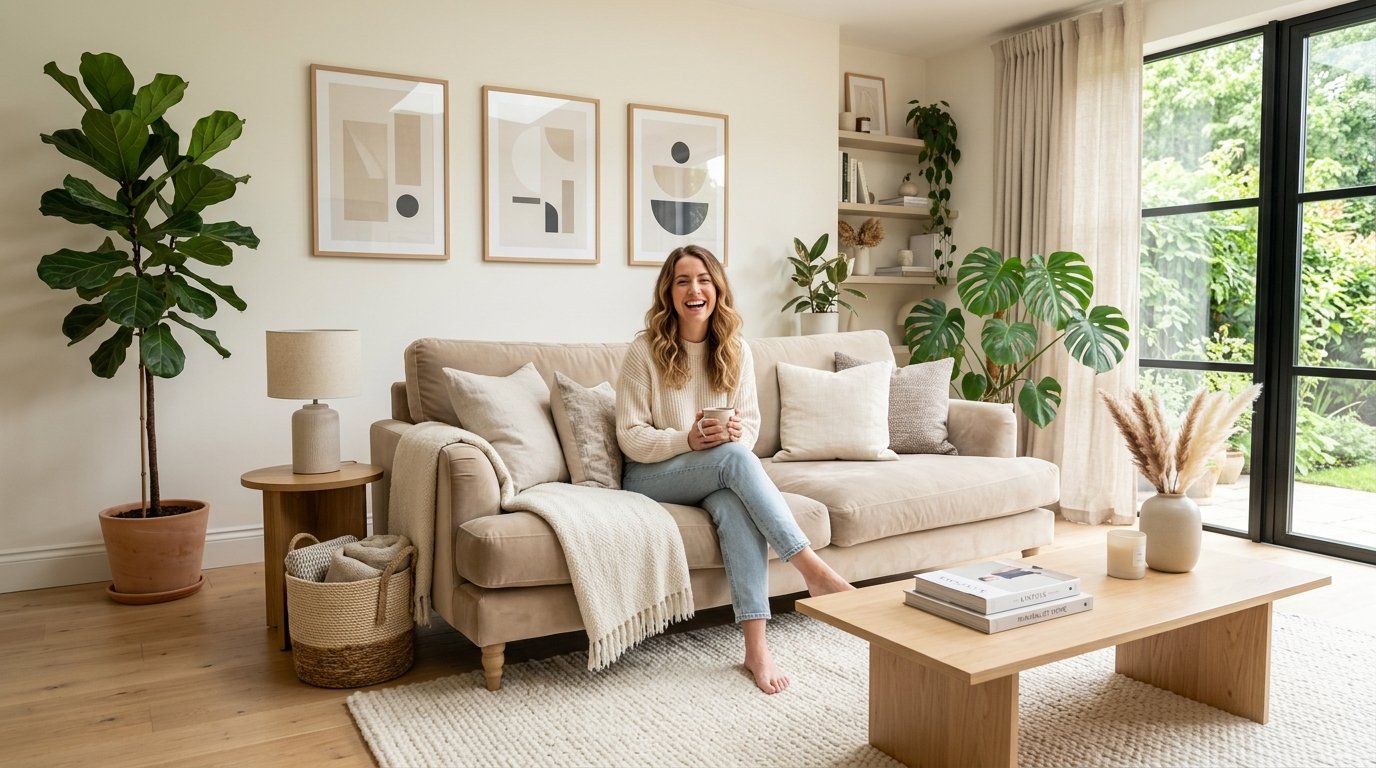
24 Living room designs apartment owners use to save thousands on decor
Last month, I stood in a high-end furniture showroom staring at a $4,500 velvet sofa that looked exactly like a $600 find I saw at a local thrift shop. The sticker shock was real, but the realization was better: high-end style is rarely about the price tag. Most people overspend because they buy the “retail dream” instead of the “smart swap.” Why drop $12,000 on a full renovation when $400 in strategic changes creates the same look? Are you tired of feeling like your space is stuck in a “budget” rut? What if the secret to a luxury home is actually spending less? I saved nearly $2,100 on my last living room refresh by ignoring the big brands and focusing on these specific tactics.
Executive Summary
Designing a beautiful apartment doesn’t require a massive bank account or a professional designer. This guide provides 24 specific, measurable ways to achieve a high-end look while keeping your savings intact. You will see how to cut costs by 50% to 70% on major items like rugs, lighting, and wall art. We cover everything from the “luxury for less” paint strategy to the secret world of high-quality furniture dupes. Expect to find real-world price comparisons between big-box retailers and budget-friendly alternatives. By the end of this article, you will have a clear roadmap to a sophisticated space that looks like it cost five figures but only required a fraction of that investment. We focus on practical, actionable wins that prioritize your wallet without sacrificing your aesthetic goals.
1. Oversized Area Rugs

Finding a large rug for living room designs apartment spaces is usually the biggest expense. A 9×12 wool rug at a boutique can easily cost $1,500. Instead, head to Amazon or HomeGoods for a polypropylene version that costs under $200. These synthetic fibers mimic the look of expensive wool but are far easier to clean. I bought a neutral Safavieh rug for $145 that looks identical to a $1,200 designer piece. The immediate action is to measure your space and look for “closeout” deals online. Many people make the mistake of buying a rug that is too small because it is cheaper, which makes the whole room look unfinished. A larger, cheaper rug always looks more expensive than a tiny, high-quality one.
2. Peel and Stick Wallpaper

High-end wallpaper costs a fortune when you factor in professional installation and the paper itself, often hitting $800 for a single wall. You can get the same impact using removable panels from Target or Walmart for about $35 per roll. Total cost for an accent wall stays under $110. This is a perfect way to add texture or a bold pattern without the permanent commitment. Grab a smoothing tool and a utility knife to do it yourself in two hours. One common money trap is buying “non-removable” paper for a rental, which leads to lost security deposits. Stick to the vinyl options that peel off cleanly.
3. Large Scale Art

Gallery walls are trendy, but one massive piece of art creates a luxury feel instantly. Instead of spending $600 at an art gallery, buy a large canvas from a craft store for $30 and some sample paint pots for $5 each. Spend an afternoon creating a minimalist abstract piece. It adds a personal touch and fills the wall for under $50. If you aren’t artistic, look for digital downloads on Etsy for $7 and print them at a local blueprint shop for $10. Framing it in a cheap IKEA Ribba frame keeps the total cost low. Don’t fall for the trap of buying “pre-framed” art at furniture stores which mark up the price by 400%.
4. Statement Lighting

The basic “boob light” fixture in most apartments is a style killer. Replacing a standard ceiling light with a modern chandelier or a sleek drum shade costs about $80 on Amazon vs. $500 at a specialty lighting store. Even a $25 drum shade from Target can be retrofitted over an existing fixture to hide the ugly glass. This single swap changes the entire mood of the room. Always keep the original fixture in a box so you can swap it back when you move out to avoid fees. A big mistake is hiring an electrician for a simple shade swap; most of these are DIY-friendly and take ten minutes.
5. Velvet Curtain Panels

High-end curtains from West Elm or Pottery Barn cost $150 per panel. You can find heavy, light-blocking velvet curtains on Amazon for $40 a pair. Hanging them high and wide—meaning 6 inches above the window frame and 10 inches wider on each side—makes your windows look massive. This “luxury for less” trick adds height to the room for a total spend of under $100 including the rod. I saved $220 by choosing the Amazon “Exclusive Home” brand over the name brand. Avoid thin, sheer curtains from dollar stores as they look cheap and don’t provide the same sophisticated weight.
6. Thrifted Coffee Tables

A solid wood coffee table usually retails for $400 or more. Facebook Marketplace and local thrift stores are filled with these for $20 to $50 because they might have a few scratches. A $10 can of wood stain or a $15 tin of chalk paint transforms these pieces into “Modern Living Room Aesthetic” staples. I found a mid-century modern table for $15 and spent $8 on sandpaper to bring it back to life. The action step is to check online listings daily at 9:00 AM when most people post their items. Never buy brand-new particle board tables that fall apart after one move.
7. Designer Look Books

Styling a coffee table or shelf often involves expensive “collector” books that cost $60 each. Instead, visit a used bookstore or a library sale where you can find large, hardback art or travel books for $2 each. Remove the dust jackets to reveal the beautiful linen or solid-colored bindings underneath. You get the same “Aesthetic Drawing Room” look for $10 instead of $300. I once found a gorgeous photography book at Goodwill for $1.50 that looks exactly like a $90 luxury edition. Don’t buy those “fake” decorative books sold on Amazon; they feel hollow and cheap once you touch them.
8. Matching Storage Baskets

Clutter is the enemy of expensive-looking living room designs apartment layouts. A set of three woven seagrass baskets at a high-end boutique might cost $120. You can find almost identical versions at TJ Maxx or Marshalls for $15 each. Using matching containers creates a cohesive, intentional look that hides toys, blankets, or electronics. This small investment of $45 replaces the “messy” look of mismatched plastic bins. A common mistake is buying different styles of baskets over time; stick to one material like wicker or felt to keep the visual flow consistent.
9. Hardware Upgrades

Changing the knobs on a basic IKEA TV stand or side table is the fastest way to make it look custom. Brass or matte black pulls cost about $3 to $5 each on Amazon. Replacing six plastic knobs for $30 can make a $150 cabinet look like a $600 designer piece. I did this with a basic Kallax unit and everyone asks where I “commissioned” the piece. It takes five minutes with a screwdriver. Avoid buying hardware at specialty hardware stores where single knobs can reach $25 each.
10. Tall Indoor Plants

Large greenery adds life and “Aesthetic Drawing Room” vibes instantly. A 5-foot Bird of Paradise at a boutique plant shop is $180. Look at the garden center at Home Depot or IKEA where the same plant is often $45. If you lack a green thumb, a high-quality “real touch” silk plant from Amazon for $60 offers the same look without the risk of it dying. I saved $120 by buying a “distressed” plant at a local nursery and nursing it back to health. Don’t buy the tiny 4-inch plants and expect them to fill a room; save up for one large “statement” plant instead.
11. Mirror Placement Tricks

Mirrors reflect light and make small apartment living rooms feel twice as large. A floor-length arched mirror from a luxury brand is $800. Walmart sells a nearly identical 65-inch version for $65. Placing this opposite a window bounces natural light into dark corners. This provides a $735 saving while doubling your perceived square footage. I’ve seen people spend a fortune on “mirrored furniture” which often looks dated quickly; stick to wall or floor mirrors for a timeless look.
12. Minimalist Sofa Trays
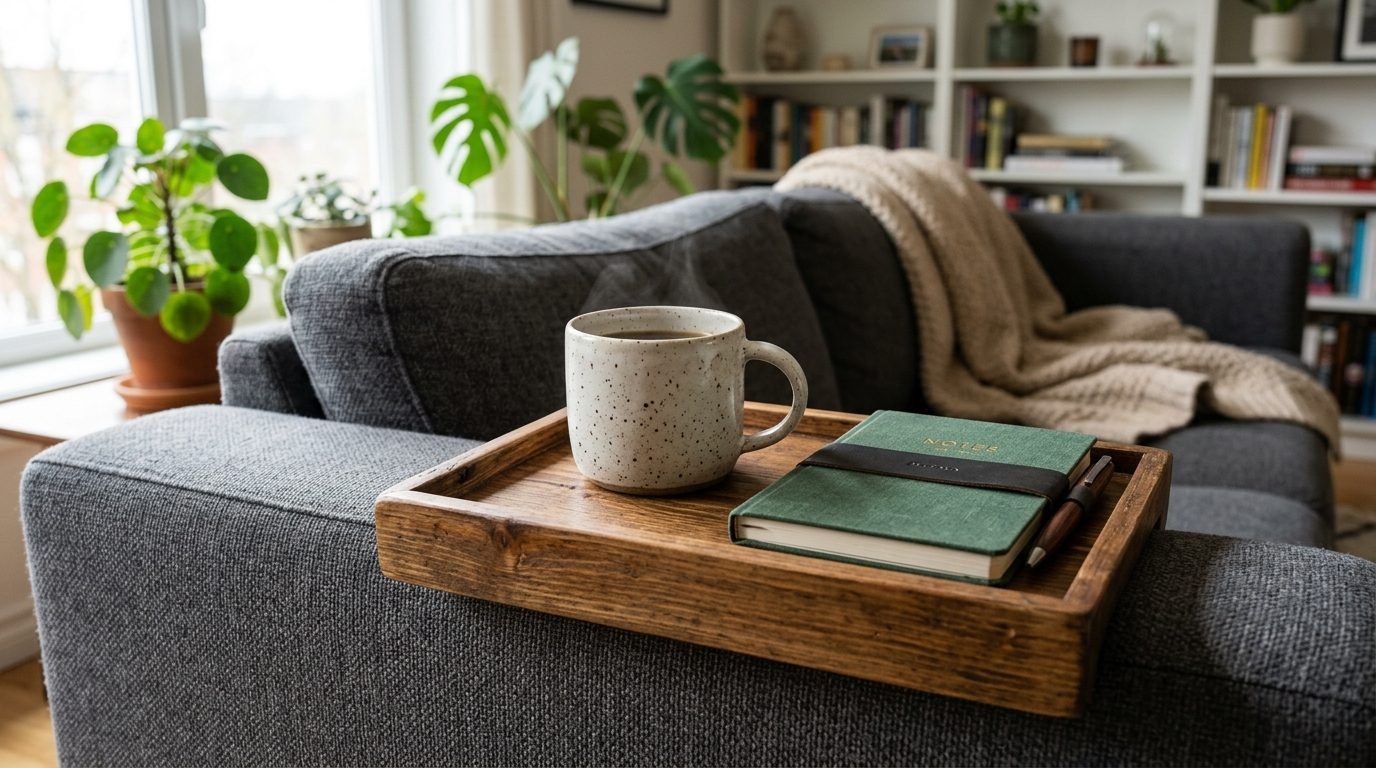
If you don’t have space or money for a coffee table, a wooden sofa arm tray is a $15 solution that looks incredibly chic. It creates a stable surface for drinks and adds a “Minimal Decoration” touch. You can find these at IKEA or make one yourself with a $5 scrap of wood and some wood glue. This saves you the $200 you would have spent on a bulky side table. Avoid the plastic versions as they look like office supplies rather than home decor.
13. Scent as Decor

A luxury candle from a brand like Diptyque is $75. You can get a similar sophisticated scent profile from “Paddywax” or “P.F. Candle Co” for $20. Better yet, use a stylish stone diffuser for $30 and a bottle of essential oil for $10. The diffuser lasts for years, making the cost-per-use significantly lower than a candle that burns out in 40 hours. I saved roughly $200 last year by switching from luxury candles to a single high-quality diffuser. Don’t buy the cheap “grocery store” candles that have overwhelming chemical smells.
14. Custom Pillow Covers
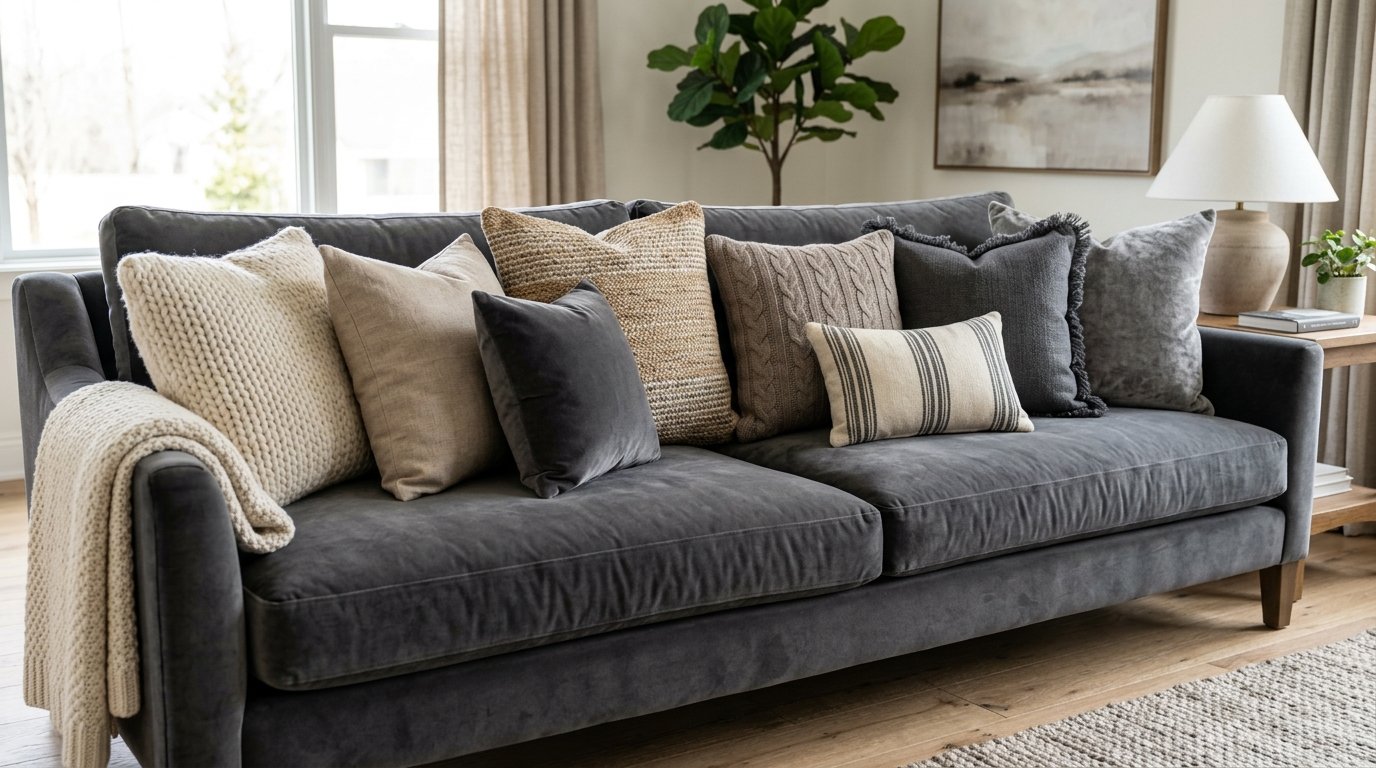
Buying new throw pillows every time you want a change is a waste of money. A single designer pillow is $80. Buy 20×20 feather inserts for $15 and then buy “covers only” on Amazon or Etsy for $10 to $15. This allows you to swap your “Beige Living Rooms” look for a seasonal color for just $20 total. I saved $150 on my sofa refresh by only buying covers. Never buy the cheap polyester-filled pillows that come with the sofa; they flatten out and look “budget” within months.
15. Painted Accent Walls

A gallon of high-quality paint costs $50 and can completely change a living room designs apartment atmosphere. Instead of expensive wood paneling or stone, use a deep, moody color like charcoal or navy on a single wall. It creates depth for the cost of a takeout dinner. I used a “greige” shade from Sherwin Williams to make my rental look like a custom condo for just $45 in supplies. The mistake here is buying the cheapest “contractor grade” paint which requires four coats; spend the extra $10 for the “one-coat” primer-included versions to save time and money.
16. Crown Molding Hacks

Adding “Ceiling Design Living Room” elements usually requires a carpenter. However, you can buy lightweight, peel-and-stick foam molding for about $2 per foot. For a standard apartment living room, you can add crown molding for under $60. It hides the gaps between the wall and ceiling and adds immediate architectural interest. I’ve seen this add thousands in “perceived value” to a home. Avoid the heavy wood molding if you are a beginner, as it requires a miter saw and complex nailing.
17. Bookshelf Wallpapering

Give an old bookshelf a “Hall Interior” upgrade by lining the back panels with leftover wallpaper or contact paper. A $10 roll of marble-patterned contact paper makes a basic white shelf look like a custom built-in. This adds texture and interest to your “Minimalist Interior Design” without the $500 price tag of a new unit. I did this to my IKEA Billy bookcases and they look twice as expensive. Don’t use heavy glue; use double-sided tape so you can change the look later without ruining the shelf.
18. Floating Shelves

Instead of a bulky $300 entertainment center, use three floating shelves from IKEA for $15 each. This keeps the floor clear and creates a “Modern Living Room Aesthetic” that feels airy and open. Total cost is $45 plus some hardware. It’s a great way to display “Home Aesthetic Ideas” like small plants or framed photos. A common money trap is buying “decorative” brackets that cost $20 each; stick to the “hidden” bracket style for a cleaner, cheaper look.
19. Tray Styling
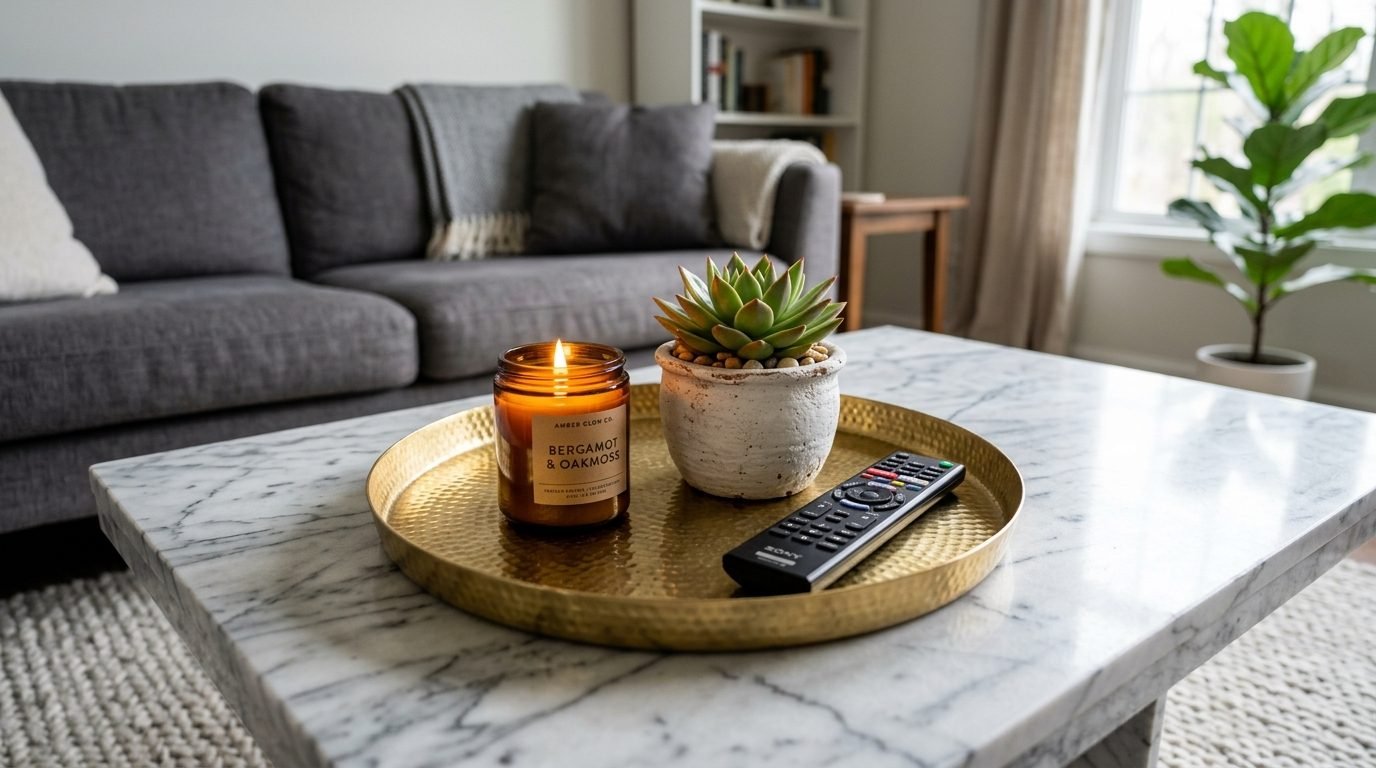
A simple gold or wooden tray on your coffee table “corrals” the mess and makes it look like a curated display. A tray at a home boutique is $60. You can find beautiful ones at thrift stores for $5 or at Target for $20. Grouping your remote, a candle, and a small plant on a tray makes the “Decoration Home” effort look professional. I found a vintage silver tray for $3 and polished it up for a high-end look. Don’t buy trays made of thin plastic as they tend to crack and look cheap under light.
20. Layered Lighting

Relying only on the “Hall Design” overhead light makes a room feel flat and cheap. Add a $20 floor lamp from Target and a $15 table lamp from a thrift store. Using “warm white” bulbs creates a cozy, high-end atmosphere for under $40 total. This layered approach is what professional designers use to make spaces feel “expensive.” I saved $300 by skipping the designer “arc lamps” and choosing a simple, slim black floor lamp instead. Avoid “cool blue” bulbs as they make everything look like a hospital room.
21. Ottoman Coffee Tables

In a small living room designs apartment, an ottoman that doubles as a table is a space and money saver. A leather version might be $400, but a fabric one at Walmart is often $60. Place a $10 flat tray on top for drinks. You get extra seating and a table for under $70. I saved $130 by choosing a storage ottoman over a traditional coffee table. One mistake is buying an ottoman that is too soft; make sure the top is firm enough to hold a tray steadily.
22. Glass Jar Organization

Move away from mismatched boxes and use clear glass jars for small items or even as vases. You can repurpose pasta sauce jars for $0 by soaking off the labels. They look beautiful on a shelf and add to a “Minimal Decoration” vibe. This saves the $40 you would spend on a set of “decorative” apothecary jars. I use these for matches, marbles, and even dried flowers. Don’t buy “pre-aged” jars at decor shops; the real vintage ones are cheaper at yard sales.
23. Rug Layering

If you have a small, expensive rug you love but it doesn’t fill the room, layer it over a cheap, large jute rug. A 9×12 jute rug is about $150 on Amazon. This adds texture and makes your living room look professionally designed for a fraction of the cost of a large patterned rug. I saved over $500 using this trick in my own “Apartment Living Room Design.” Make sure the bottom rug is flat-weave so you don’t create a tripping hazard.
24. Switch Plate Covers

Standard white plastic light switch covers are the “budget” default. Replacing them with brass or matte black covers costs about $5 each. For $30, you can upgrade every switch in the living room, giving the space a “Room Interior Design” finish that feels custom. I’ve had people notice this small detail more than my actual furniture. Avoid the “fancy” plastic ones that try to look like wood; they always look fake.
Frequently Asked Questions
Is cheap apartment furniture worth the money?
Yes, if you choose strategically. Focus on the “bones” of the piece. A cheap sofa with a solid frame can be upgraded with better legs or a slipcover. However, avoid “fast furniture” that uses thin particle board for items that hold weight, like bookshelves. I usually find that mid-range items from stores like IKEA or Target are worth it because they offer a balance of price and durability. You can often find these same items secondhand for 50% less, making them an even better deal.
What is the minimum budget for a living room refresh?
You can make a significant impact with as little as $100. This budget could cover a gallon of paint ($45), a set of new pillow covers ($20), and a large thrifted mirror ($35). If you want a more “complete” look including a rug and lighting, aim for $300 to $500. By focusing on “luxury for less” swaps, your money goes three times further than it would at a traditional furniture store.
Where do I find the cheapest living room designs apartment decor?
Facebook Marketplace is the undisputed king for furniture. For small decor and “Home Aesthetic Ideas,” TJ Maxx, HomeGoods, and Ross are excellent. For basics like curtains and rugs, Amazon and IKEA are usually the lowest price points. I also recommend checking “Buy Nothing” groups in your local area where neighbors give away high-quality items for free.
How do I make my apartment look expensive without buying anything?
Start by decluttering and “zoning” your space. Rearrange your furniture to create a better flow. Deep clean your windows to let in more light. You can also “shop your home” by moving items from the bedroom to the living room to refresh the look. Sometimes, just removing the “clutter” of too many small items makes a room feel more like a “Minimalist Interior Design” showcase.
Can I paint my apartment walls if I’m a renter?
Most landlords allow painting as long as you paint it back to the original color before moving out. Always check your lease first. If you can’t paint the walls, use peel-and-stick “Room Interior Design” options or hang large fabric tapestries to cover the space. I’ve saved my security deposit many times by simply spending $40 on a gallon of “landlord beige” paint on my last day.
Conclusion
Investing in your living room designs apartment layout doesn’t have to drain your savings. By focusing on these 24 strategic, low-cost updates, you can create a space that feels curated and high-end for a fraction of the retail price. Start with the “big wins” like rugs and lighting, then move into the finer details like hardware and greenery. I’ve found that the most beautiful homes aren’t the ones with the biggest budgets, but the ones with the smartest choices. Take one step today—maybe it’s checking Marketplace or grabbing a jar of paint—and watch your space transform. What is the first budget-friendly swap you are going to try this weekend?

Emily Carter’s work centers on helping readers overcome debt while still living a life that feels meaningful and sustainable. After years of advising nonprofits and supporting debt relief initiatives, she has seen firsthand how small, consistent steps—like debt snowballs, spending audits, and intentional frugality—can transform someone’s financial future. At Dollar Pioneer, Emily writes about debt payoff strategies, frugal living, and mindset shifts that encourage readers to celebrate progress, stay motivated, and rebuild their finances with confidence.