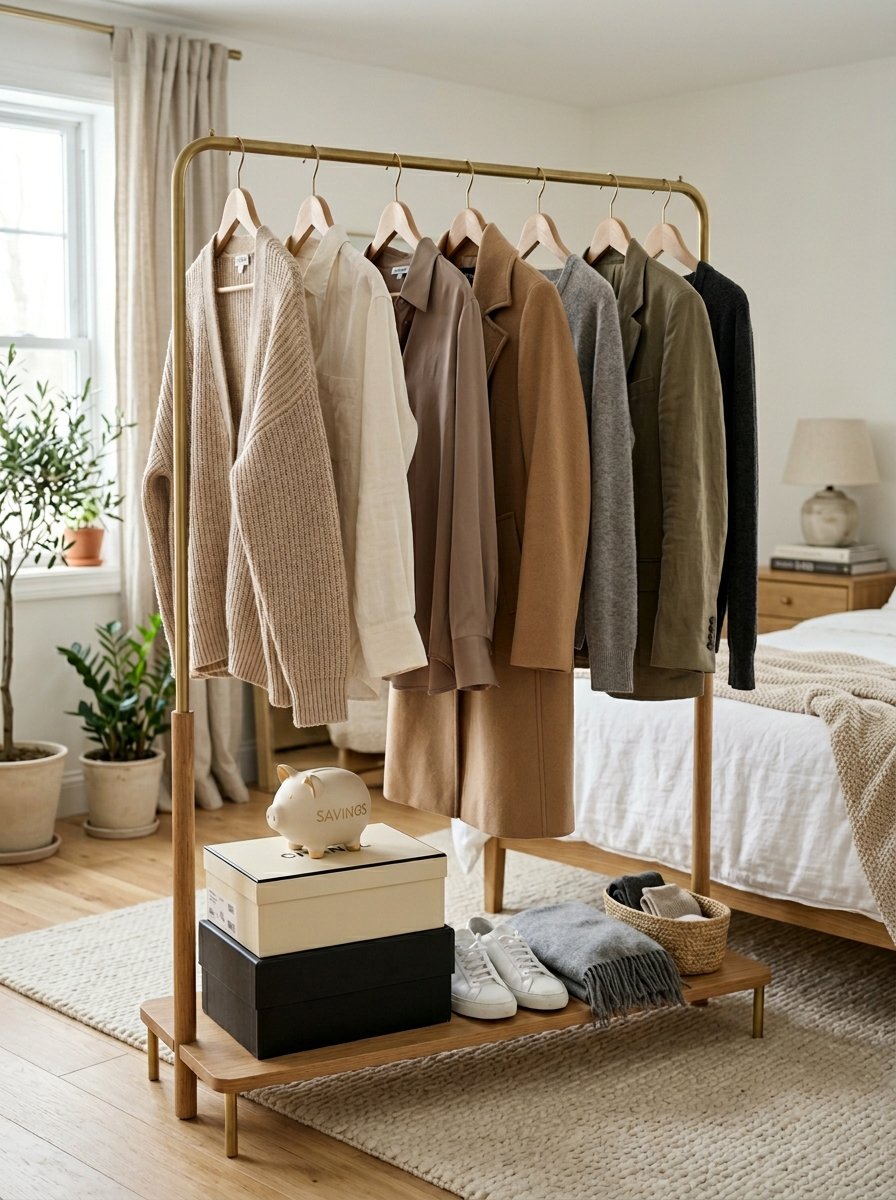
25 Tricks to Wear Expensive Fashion Brands and Save $1,000 Today
Dropping a full paycheck on a single designer coat hurts your bank account. Real style has nothing to do with maxing out credit cards at high end department stores. Creating a wardrobe full of premium labels requires strategy rather than a massive budget. People waste thousands paying retail prices just to look wealthy. I saved exactly $2,400 last year buying second hand luxury goods instead of shopping new collections. You deserve beautiful garments without the financial guilt. Slashing your clothing budget by 60 percent takes a few simple habit shifts. Here are the exact steps to curate a premium closet for pennies on the dollar.
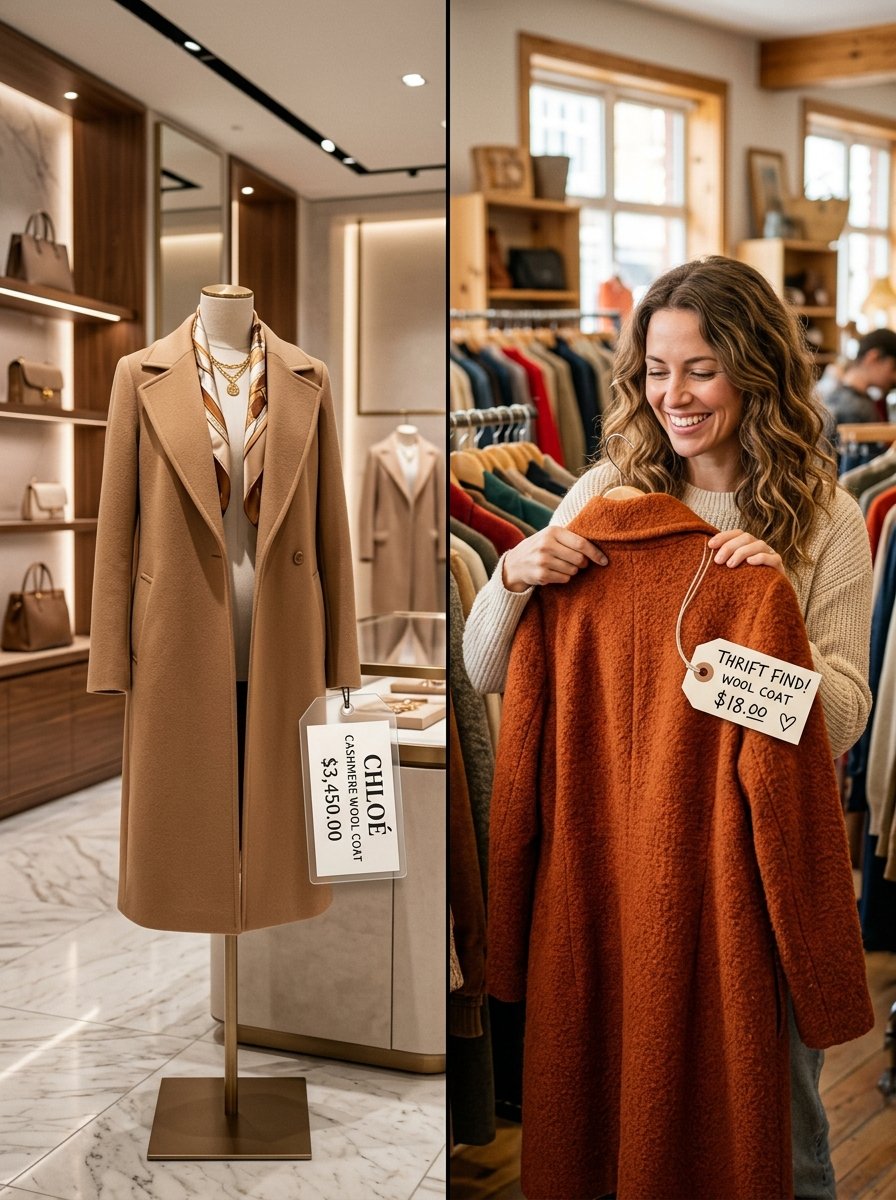
Using these styling tactics cuts an average of $1,500 from your annual clothing budget within three months. Retail markups drain your wallet faster than fast food habits. Shopping smart means finding high quality fabrics for under $40 instead of paying $400 for a logo. You will keep more cash in your pocket while wearing silk, cashmere, and tailored wool. The biggest myth is thinking affordable pieces look cheap. Real luxury comes from the fit and fabric rather than the price tag. I excluded counterfeit items completely because authentic quality lasts longer.
1. Off Season Retail Buying
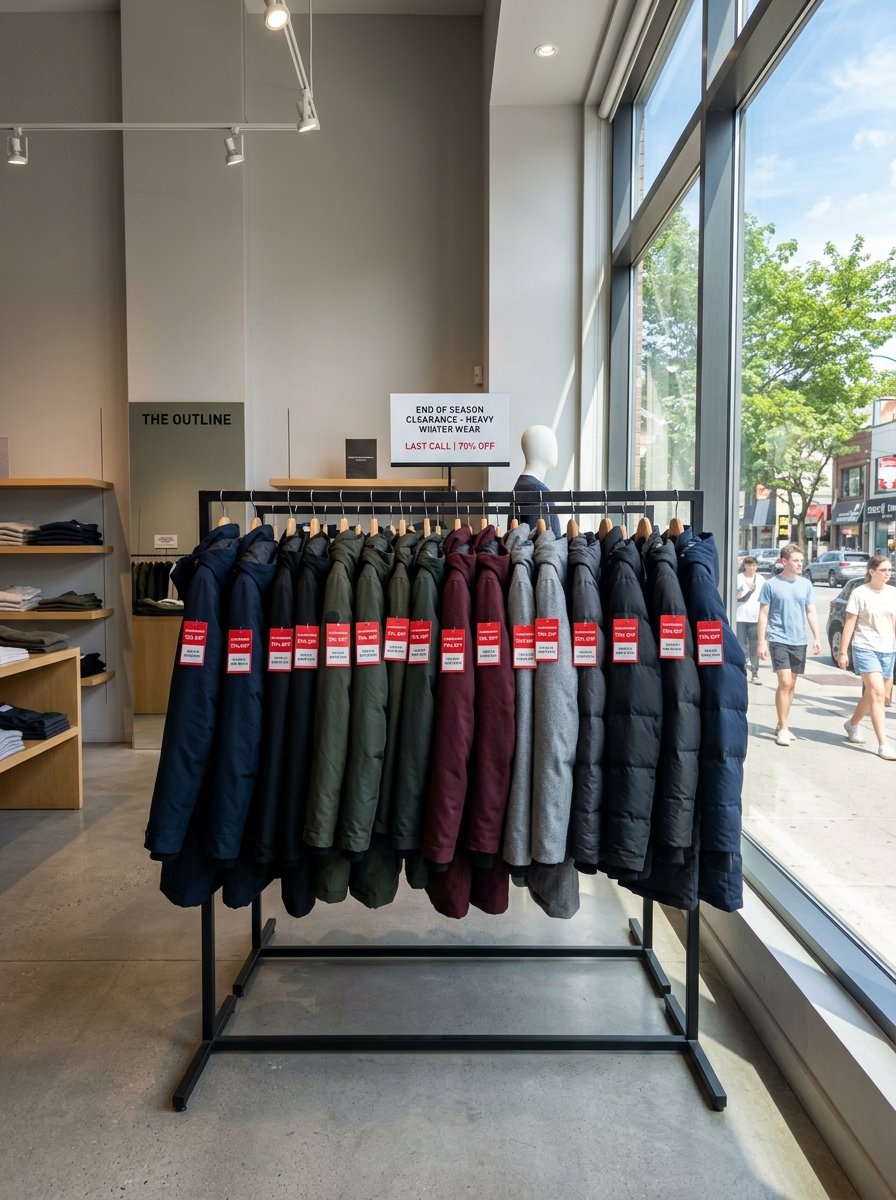
Winter coats sit on clearance racks during July. Buying a wool trench coat from J.Crew in the summer heat saves roughly $150 compared to retail pricing. Plan your purchases six months ahead to catch these massive markdowns. Go online to the clearance section right now and filter by last season. Most shoppers wait until the first cold day to buy outerwear. Waiting guarantees you pay full price.
End of Season Clearance
Retailers slash prices to clear warehouse space for new stock.
Outlet Center Timing
Shopping off cycle yields the cheapest apparel all year long.
2. Misspelled Resale Platform Listings
Secondhand apps hide authentic pieces behind misspelled listings. Searching for a Pradaa jacket on Poshmark often shows items priced 80 percent below market value. Sellers make typos and fail to attract bids. Set up saved searches with common misspellings for your favorite luxurious brands today. Assuming all resale items are heavily worn remains a huge mistake. Many pieces still have original tags attached.
Misspelled Search Tactics
A simple typo drops the price by hundreds of dollars.
Condition Filter Settings
Filter by new with tags to find pristine items easily.
3. Wealthy Neighborhood Thrift Stores
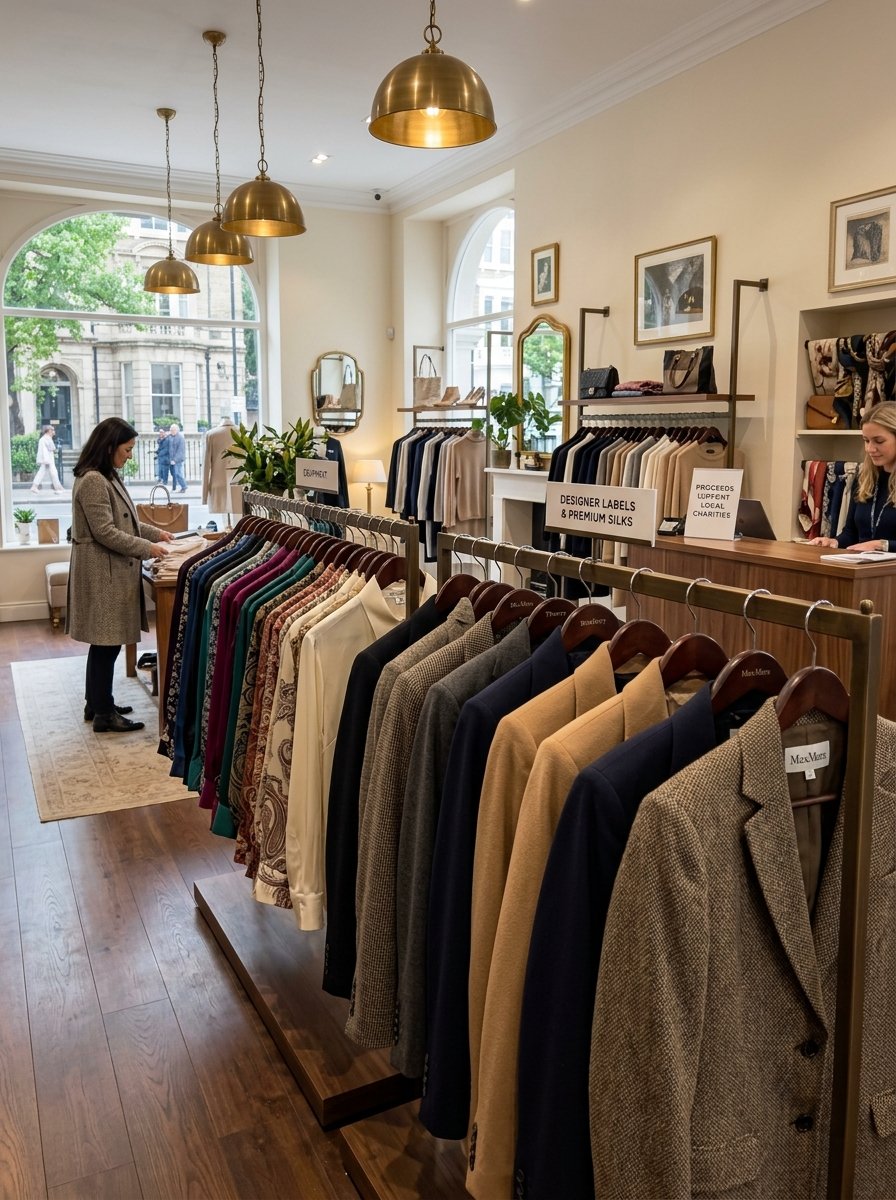
Charity shops in affluent zip codes receive premium donations daily. I found a pristine Ralph Lauren blazer at a local Goodwill for $8 instead of the $250 retail tag. Drive to the wealthiest suburb in your city this weekend. Shop their charity racks for high end labels. Thinking you need to buy new to look rich drains your bank account. The best fabrics already exist on secondhand racks.
Suburb Sourcing Trips
Wealthy donors give away unworn designer clothing very frequently.
Estate Sale Racks
Weekend estate sales offer entire closets for mere pennies.
4. Upgrading Basic Branded Items
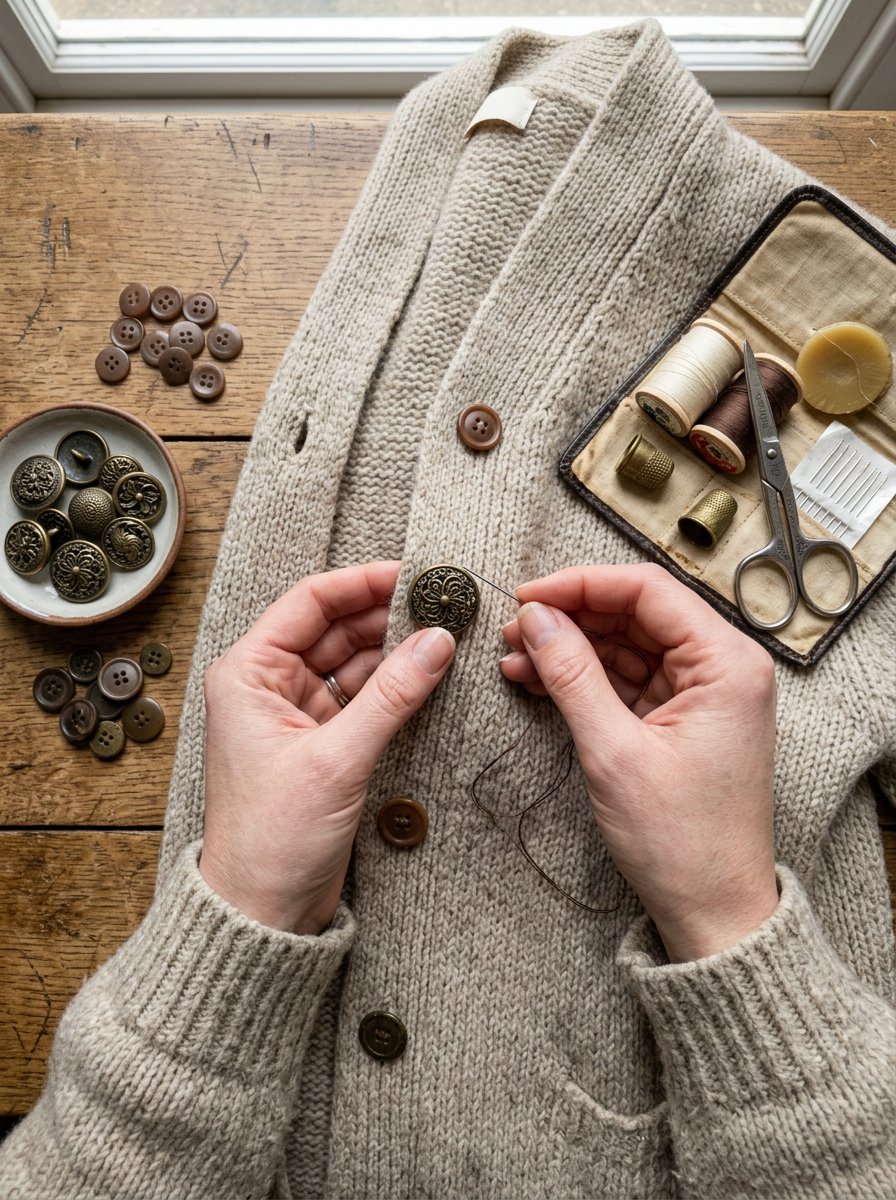
Replacing plastic buttons with metal ones makes cheap shirts look expensive. Swapping the flimsy buttons on a $15 Target cardigan for $5 brass buttons makes it look like a $100 piece. Buy a cheap sewing kit and upgrade your current wardrobe hardware. Buying expensive basics just for the hardware wastes cash. The fabric on affordable branded items often matches the premium labels perfectly.
Button Swap Costs
Five dollars completely changes a garment from cheap to chic.
Hardware Replacement Steps
Sewing takes ten minutes per shirt at home.
5. Renting Bags Designer Fashion
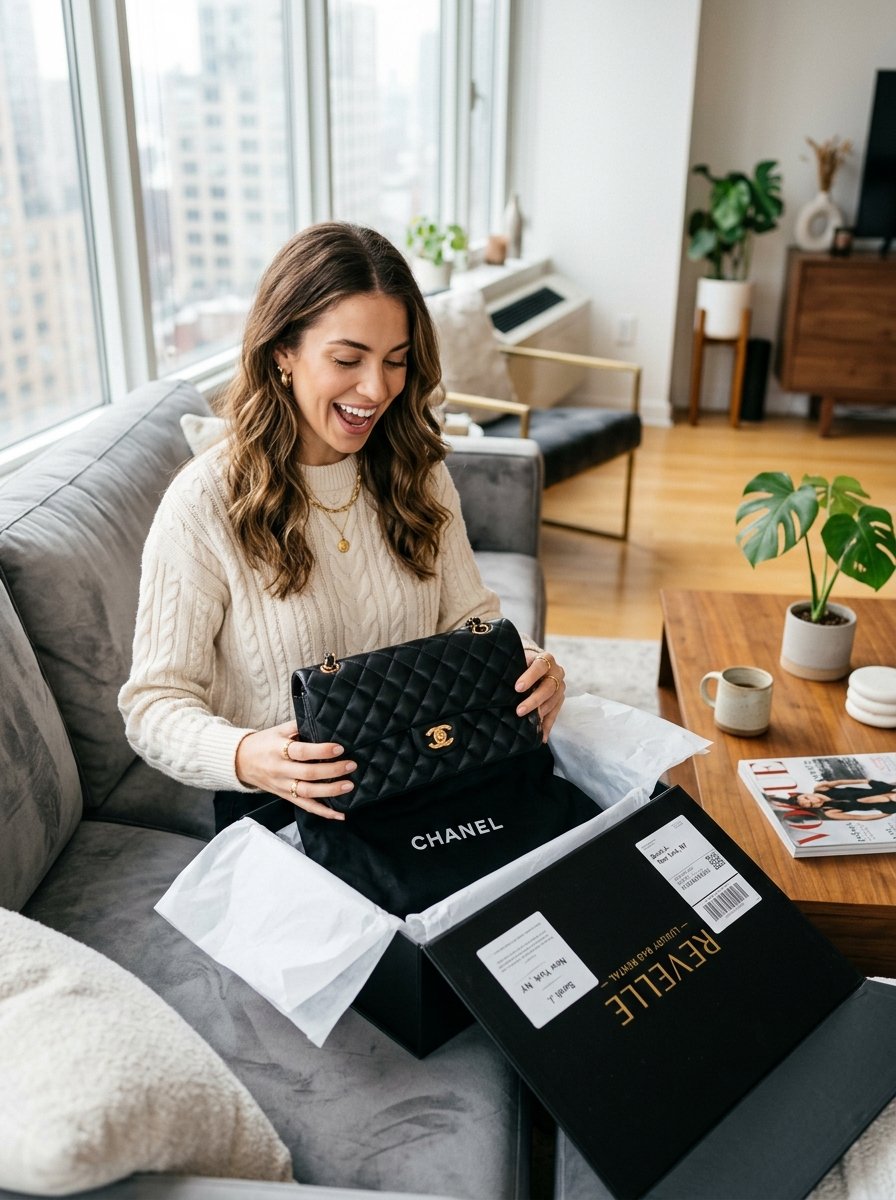
Owning a luxury purse costs thousands upfront. Renting bags designer fashion through Rent The Runway costs $90 a month for pieces worth $2,000. Sign up for a rental service if you attend multiple formal events yearly. Buying a trendy bag that goes out of style next year throws money away. Renting gives you the high end look for a fraction of the cost.
Monthly Rental Subscriptions
Pay a flat fee for rotating luxury accessories every month.
Special Event Rentals
Borrow a bag for one weekend instead of buying it.
6. Outlet Mall Secret Racks
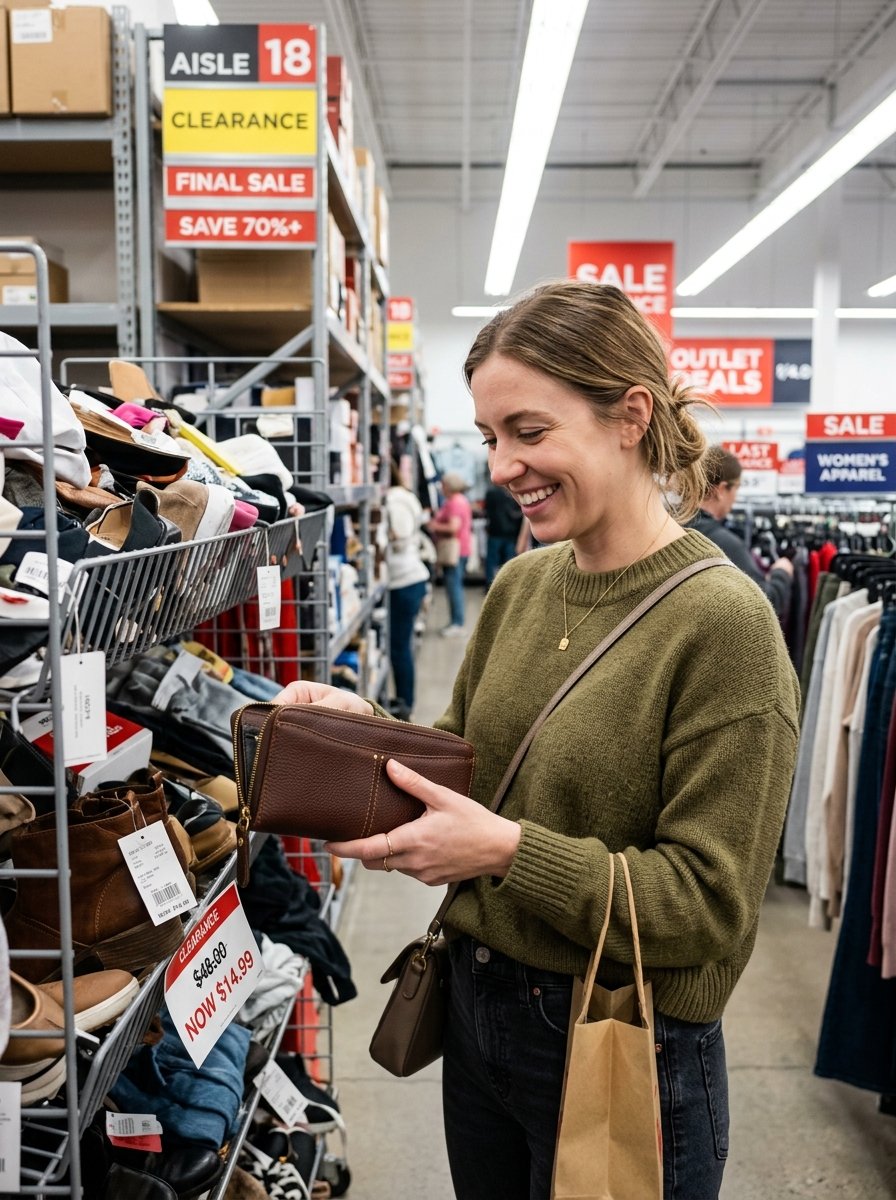
Outlet stores hide their actual clearance items in the very back corners. Finding a $300 Coach wallet for $45 happens when you ignore the front displays. Walk straight to the back wall of any outlet store before looking at anything else. Believing the front displays offer the best deals is a rookie trap. Retailers put the highest markup items near the front doors.
Back Wall Clearance
The deepest discounts live out of sight from normal shoppers.
Damaged Box Discounts
Ask the cashier about slightly damaged inventory in the back.
7. Flash Sale Boutique Ads
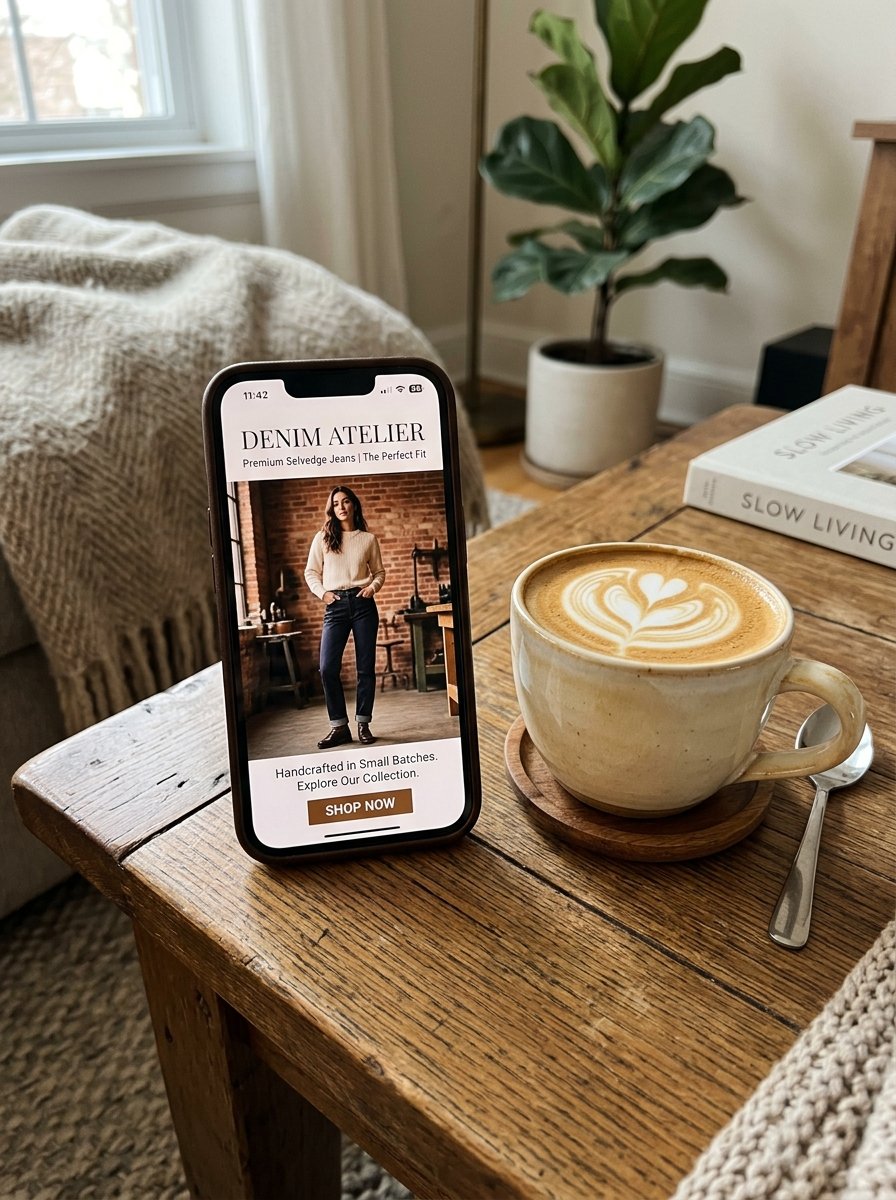
Social media algorithms show hyper targeted discounts to engaged users. Clicking on boutique ads for premium denim often triggers a 40 percent off retargeting coupon. Interact with high end store profiles to force the algorithm to send you discount codes. Paying full price on a boutique website makes zero sense. The brand will always text or email a better price if you abandon your cart.
Abandoned Cart Tricks
Leave items in your cart for twenty four hours safely.
Retargeting Coupon Codes
Wait for the social media ad to offer immediate savings.
8. Sample Sale Mailing Lists
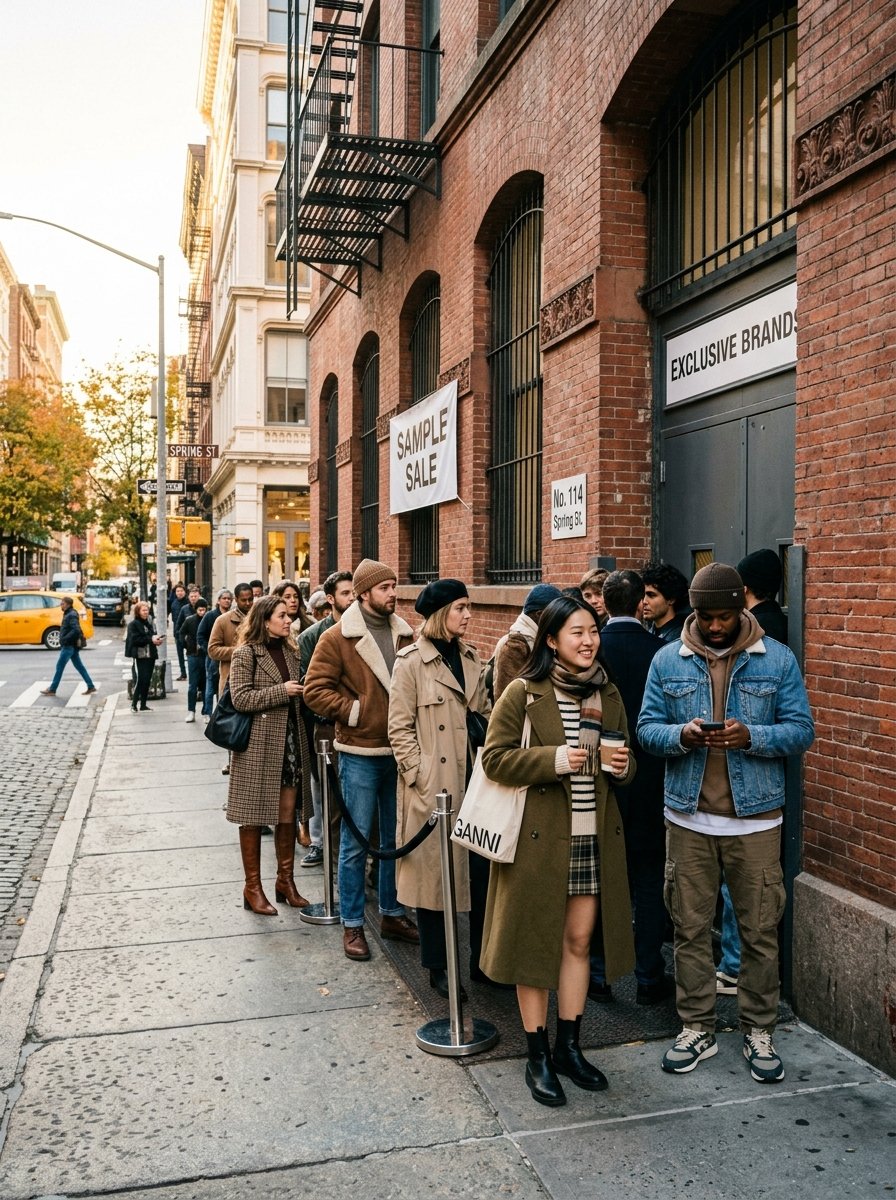
Designers liquidate their runway prototypes for pennies. Attending a sample sale in New York saves shoppers up to 90 percent off retail prices. Sign up for the 260 Sample Sale email list right now to track local events. Skipping sample sales because of the crowds costs you hundreds of dollars. The mild inconvenience of waiting in line pays off instantly at the register.
Email List Signups
Get notified before the general public finds out about sales.
VIP Access Passes
Some brands offer early entry for loyal repeat shoppers.
9. Big Brands Hidden Departments
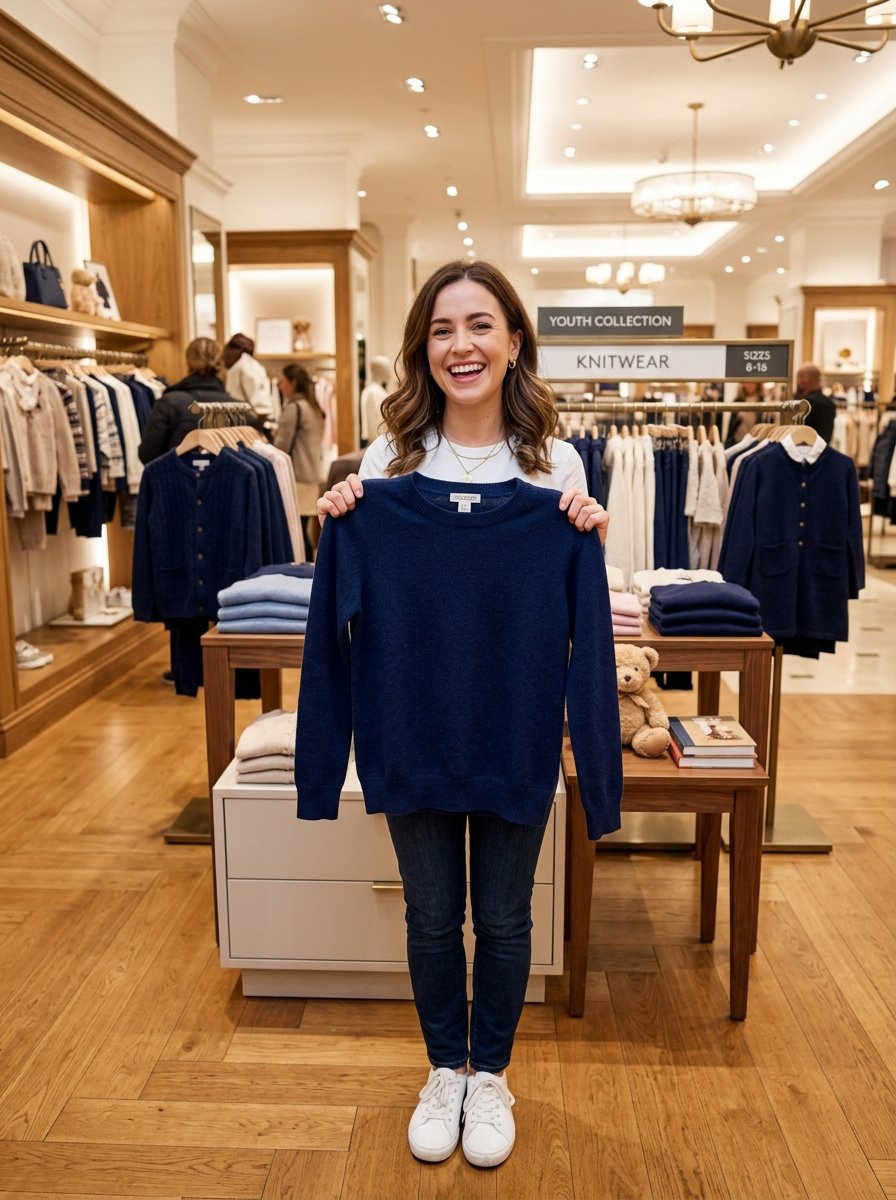
The boys department carries large sizes that fit petite adults perfectly. Buying a boys XL sweater from Brooks Brothers costs $45 compared to the $120 adult version. Browse the kids section for basic items like wool sweaters and cotton tees. Assuming you must shop in the adult section limits your savings entirely. The fabric quality in big brands youth lines mirrors the adult clothing.
Youth Sizing Hacks
A boys large equals a womens small in most stores.
Basic Tee Savings
Kids cotton shirts cost half the price of adult versions.
10. Capsule Wardrobe Foundation Pieces
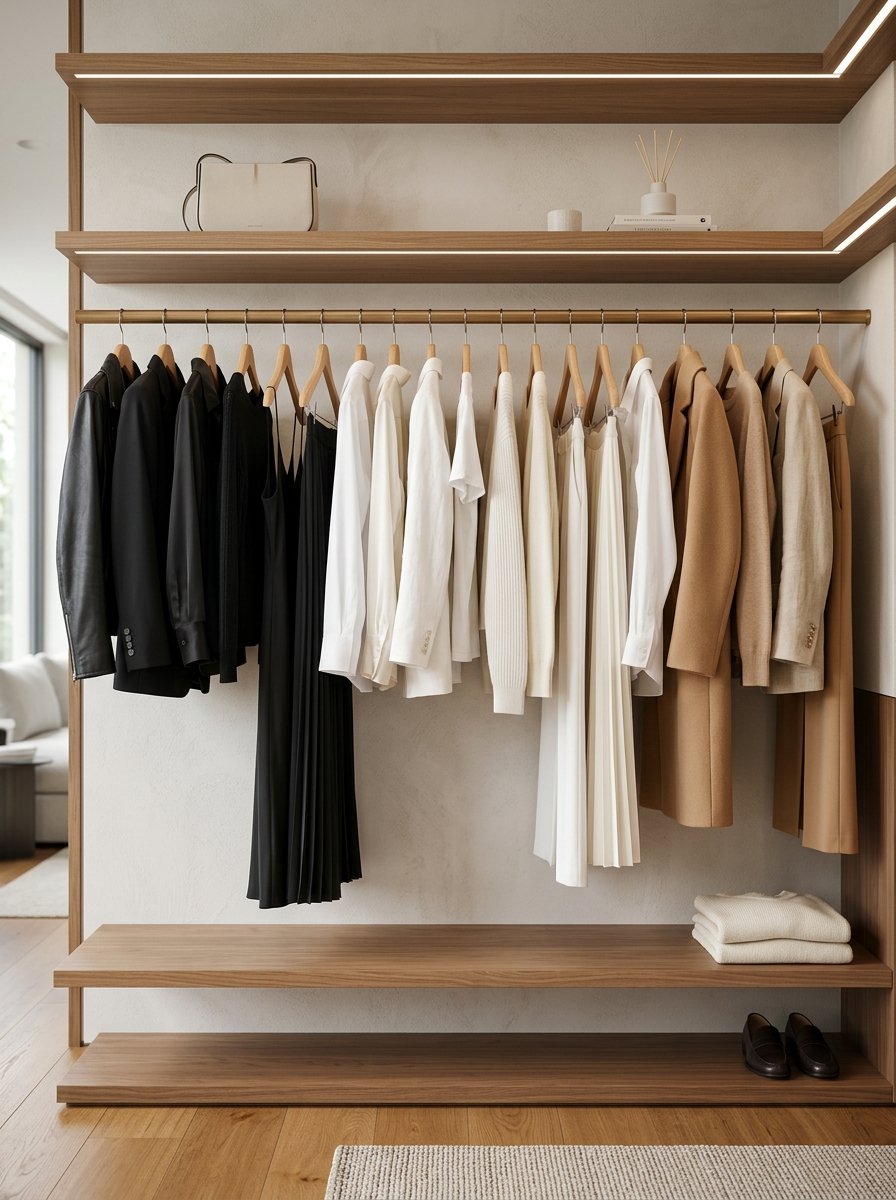
Owning fewer clothes actually makes you look wealthier. Curating a minimalist closet with 20 pieces from Everlane saves you roughly $600 a year on fast fashion hauls. Pick a neutral color palette and stick to it entirely. Buying random trendy neon pieces destroys your clothing budget fast. A cohesive closet means every shirt matches every pair of pants perfectly.
Neutral Color Palettes
Black, white, and camel always look expensive and classy together.
Cost Per Wear
A $50 shirt worn weekly beats a $10 shirt worn once.
11. Vintage Jewelry Box Upgrades
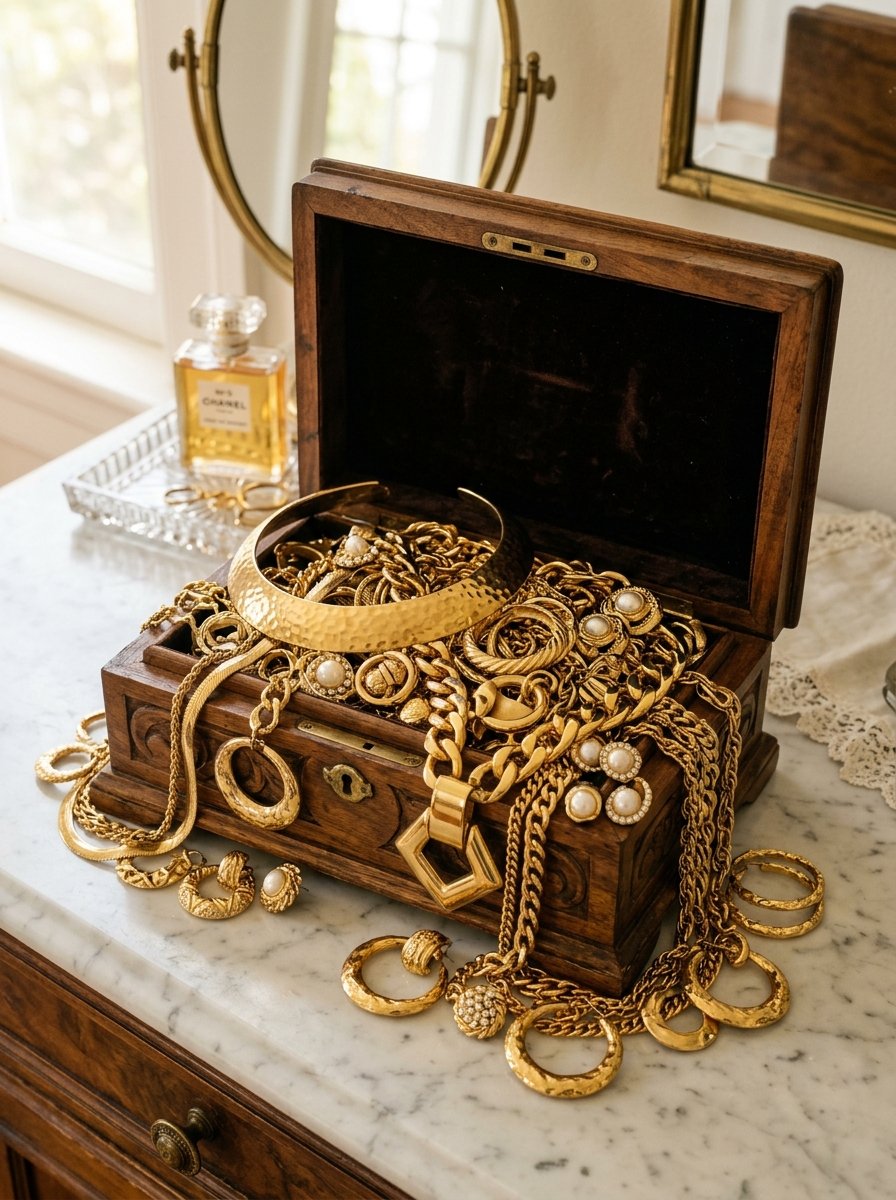
Modern costume jewelry turns green after three wears. Sourcing a heavy gold plated vintage necklace for $15 on Etsy beats buying a $40 hollow piece from Zara. Search for 1980s vintage earrings online today. Buying brand new fast fashion jewelry burns your cash quickly. Older pieces use thicker plating and better base metals that last decades without fading.
Etsy Vintage Sourcing
Find real gold plating for twenty dollars online right now.
Estate Sale Jewelry
Buy entire boxes of vintage accessories for cheap on weekends.
12. Sourcing Fashion Poster Ideas
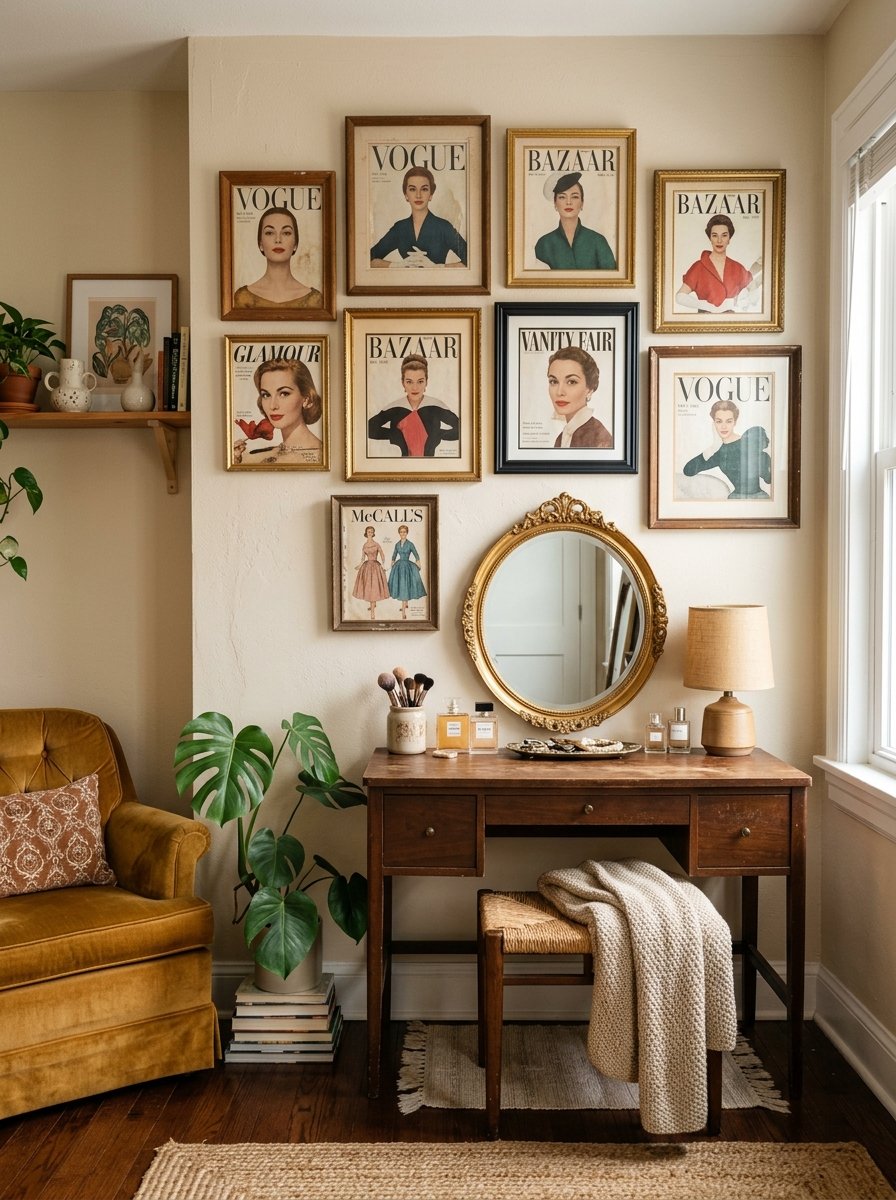
Decorating your closet space sets the tone for your personal style. Framing vintage Vogue covers from a thrift store costs $12 instead of paying $150 for modern art prints. Search Pinterest for fashion poster ideas and print them at a local copy shop. Leaving your walls bare makes your dressing area feel cheap. A beautiful space helps you put together better outfits daily.
Cheap Printing Options
Local shops print large posters for three dollars per sheet.
Thrifted Frame Hacks
Buy ugly art just for the beautiful wooden frames surrounding it.
13. Factory Defect Discount Racks
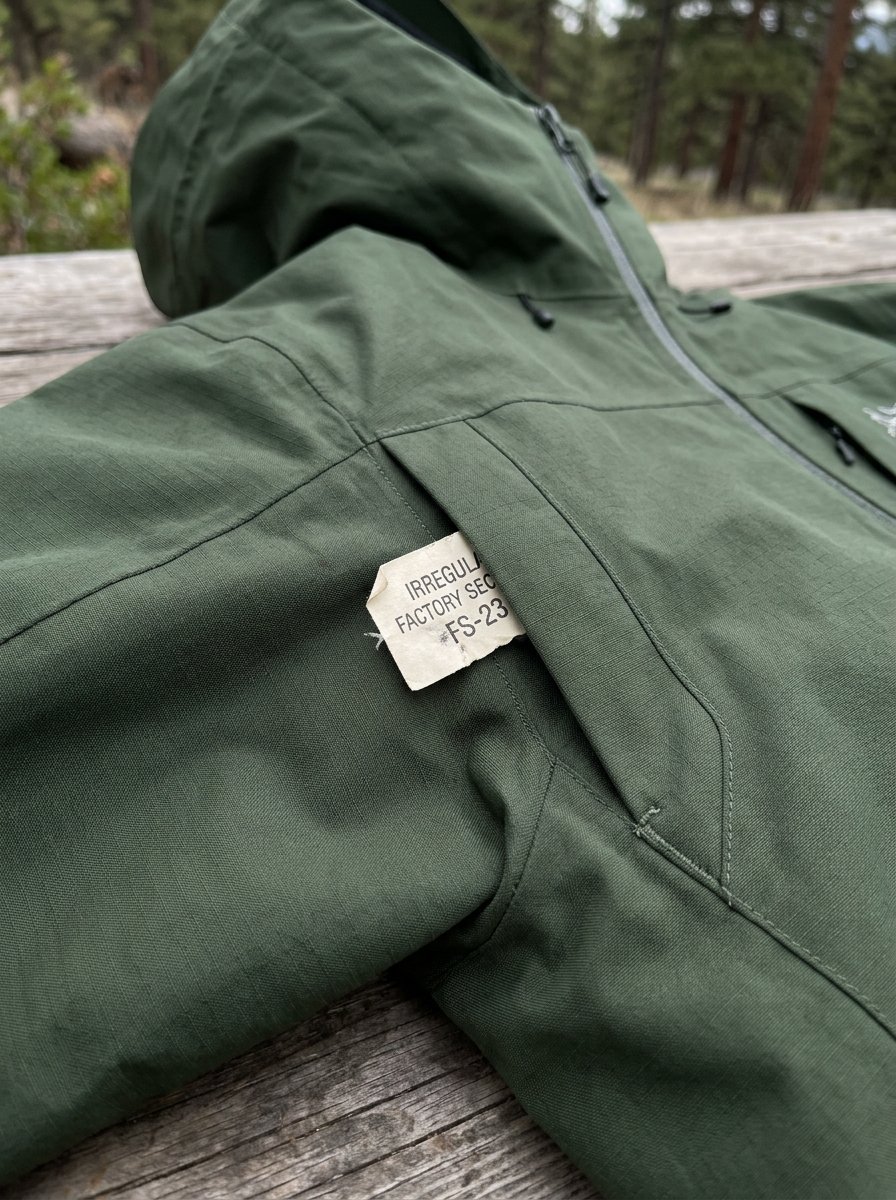
Retailers reject garments for a single crooked stitch. Buying a factory second jacket from Patagonia saves you 50 percent immediately. Check the clearance section for items labeled irregular or second quality. Avoiding these items out of fear is simply silly. Nobody will ever notice a missing interior tag or a slightly uneven hemline when you wear it.
Minor Stitching Flaws
A tiny error cuts the price in half right away.
Missing Interior Tags
The outside looks perfect while the inside lacks a label.
14. Tailoring Cheap Garment Finds
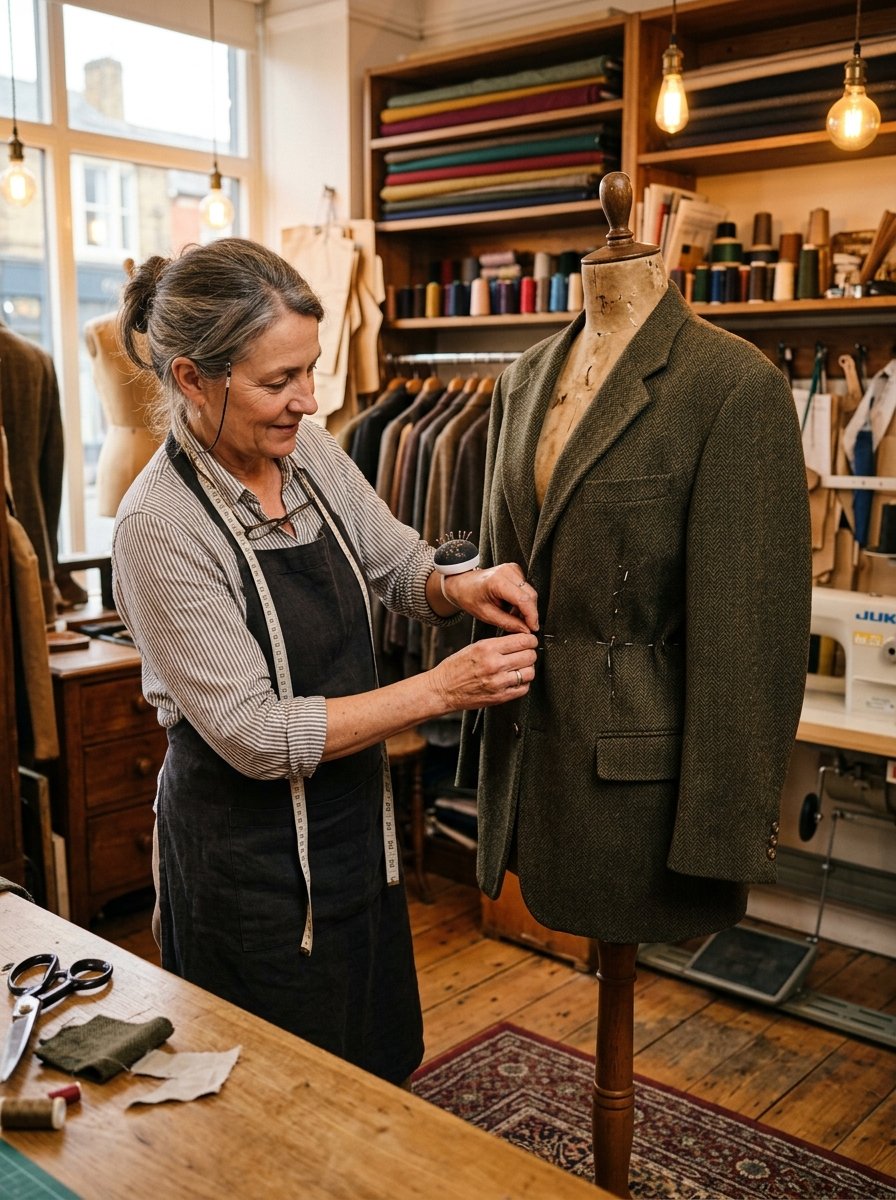
Fit matters infinitely more than the brand name. Spending $20 to tailor a $15 thrifted blazer makes it look like custom Armani. Take your baggy clothes to a local tailor this week. Wearing ill fitting expensive clothes makes you look sloppy instantly. A perfectly tailored cheap suit always beats a baggy luxury suit on any occasion.
Hemming Pants Cheaply
Ten dollars fixes the length of any trousers permanently.
Taking In The Waist
A fitted waist creates a high end silhouette instantly.
15. Student Discount Code Stacking
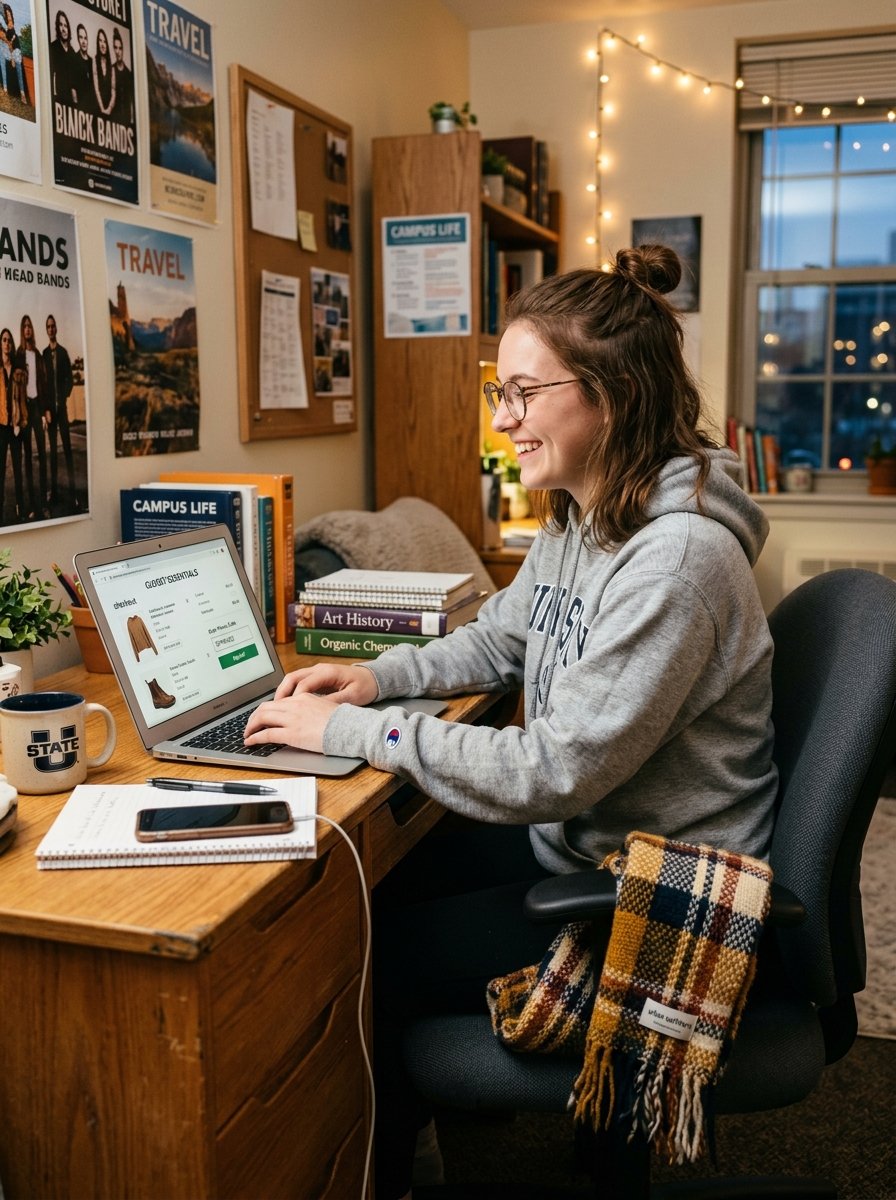
Brands want to hook young shoppers early. Using an active .edu email address at Madewell scores you a 15 percent discount on top of clearance prices. Ask your college aged sibling to help you buy items online. Leaving the student discount field blank throws free money away. These discounts apply to almost every major retailer online right now.
Email Verification Tricks
Keep your old university email active for lifetime clothing savings.
In Store ID Checks
Show a physical student ID at the register for deals.
16. Local Fashion Designer Flyer
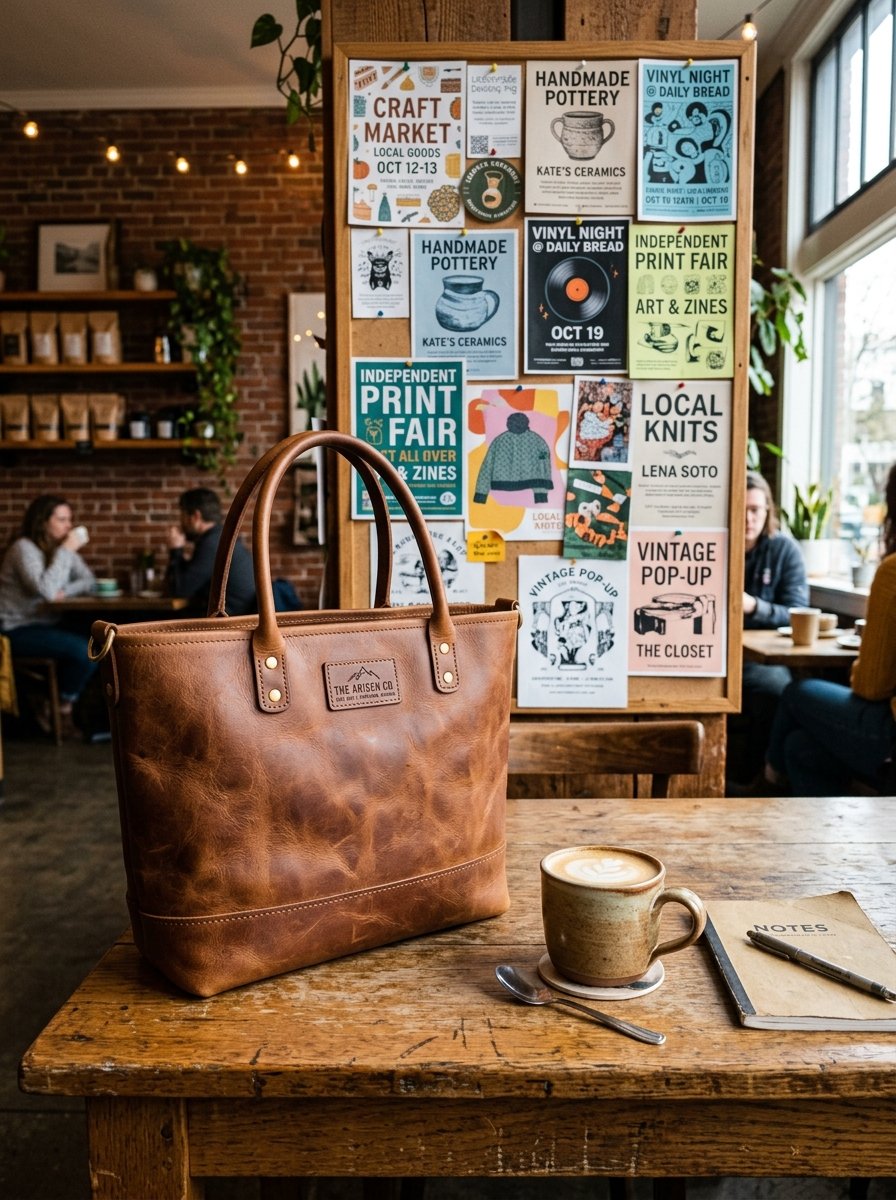
Independent makers offer custom quality without the luxury markup. Finding a local fashion designer flyer on a coffee shop bulletin board brought me to a custom leather bag for $100 instead of $600. Buy from local garment makers in your city. Ignoring local talent means you overpay for mass produced mall brands. Small makers use identical materials to the famous design houses.
Bulletin Board Finds
Look for local seamstresses and leather workers in your town.
Craft Fair Shopping
Buy directly from the person who sewed the garment originally.
17. Upcycling Old Clothing Pieces
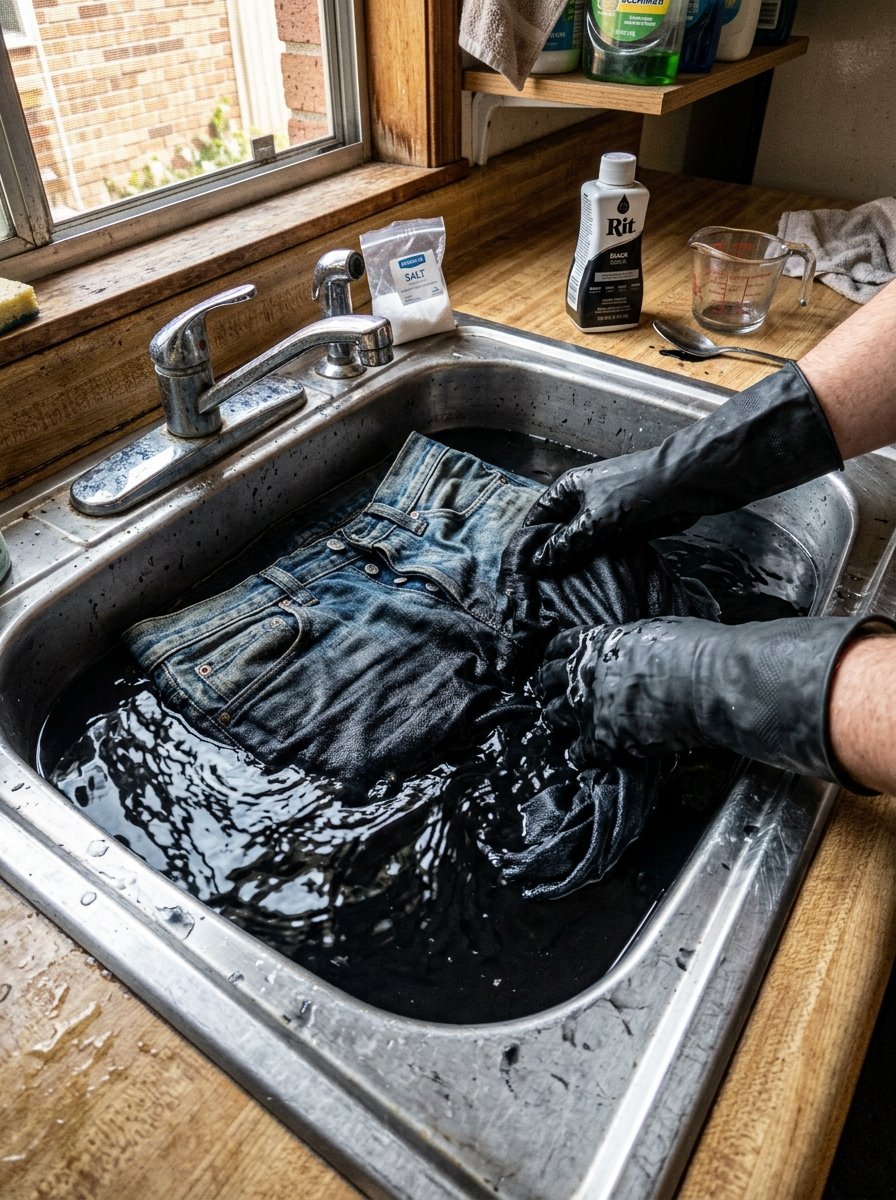
Dyeing a faded black shirt breathes life back into dead fabric. A bottle of Rit dye costs $5 and saves a $60 pair of jeans from the trash. Buy a box of black fabric dye and revive your faded winter clothes. Throwing away clothes just because the color faded is incredibly wasteful. The fabric itself usually has years of life left inside it.
Fabric Dyeing Steps
Use hot water and salt for the darkest colors possible.
Bleach Stain Reversal
Cover accidental bleach spots with dark dye very easily.
18. Viral Instagram Clothing Post Ideas
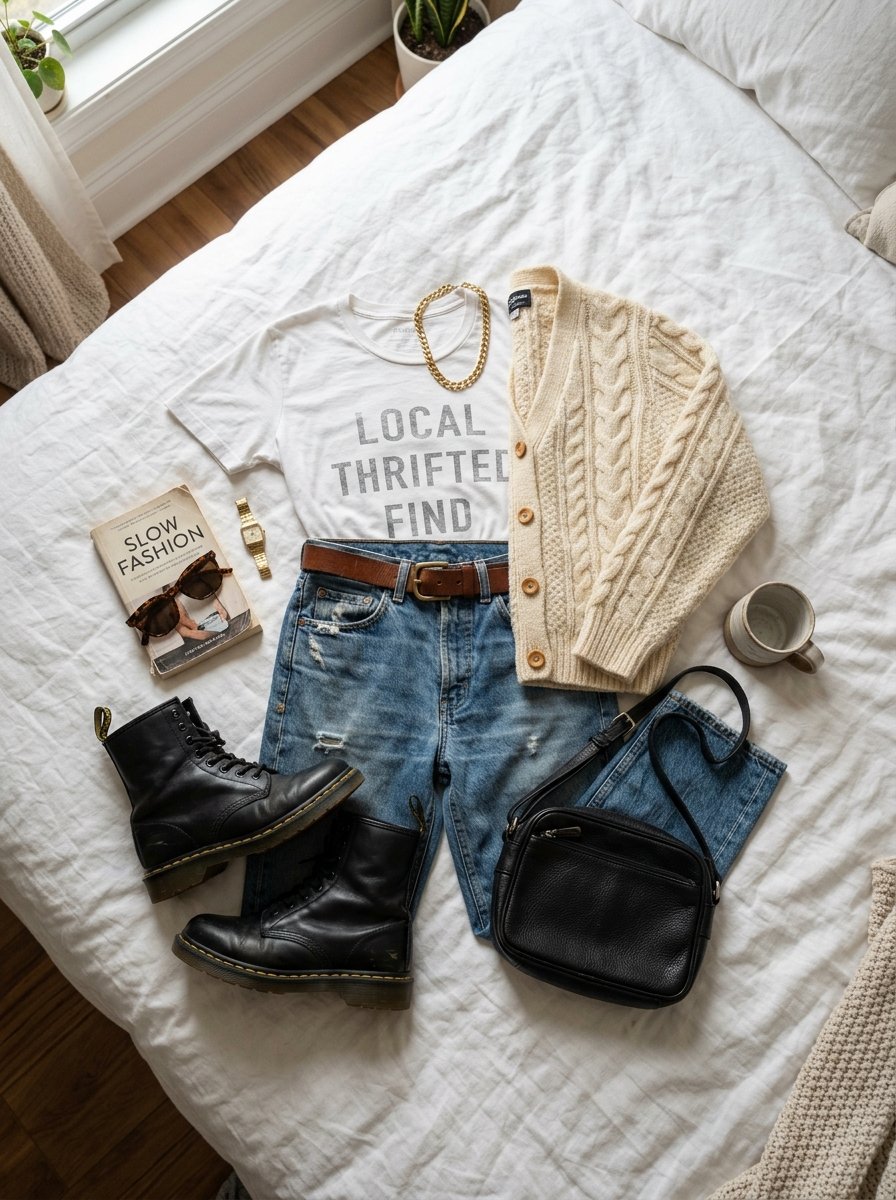
Creators constantly sell their PR packages for cheap. Recreating Instagram clothing post ideas using pieces bought directly from an influencer Depop shop saves you 70 percent. Follow your favorite creators on resale apps today. Trying to buy everything new to copy a viral outfit drains your checking account. Creators wear things once and sell them for pennies online.
Depop Influencer Shops
Find the exact items worn in viral photos for cheap.
PR Package Resale
Creators sell free gifts they never actually wore outside.
19. Department Store Floor Models
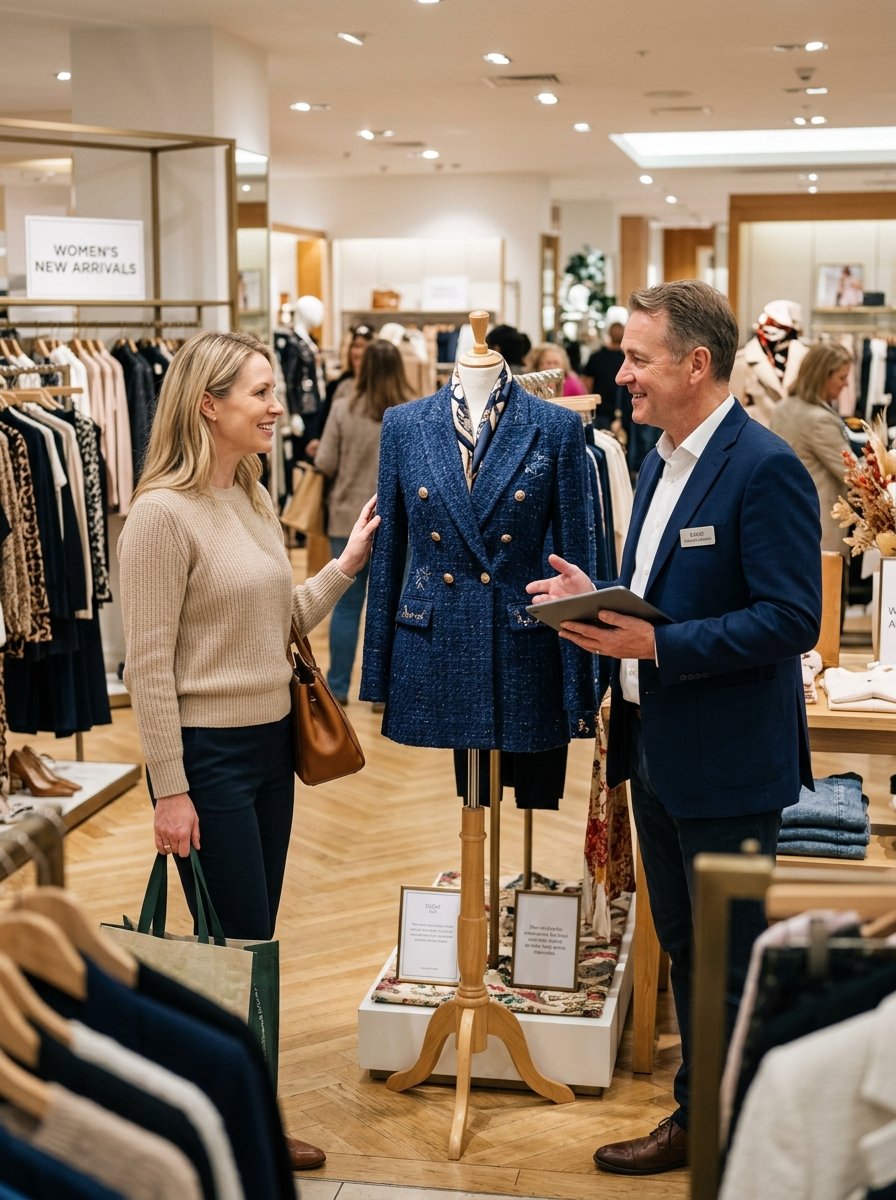
Stores discount display items heavily every single month. Asking the Macy’s manager to buy the display shoes saves you $40 instantly. Always ask if the floor model is available for purchase at a discount. Feeling too shy to ask for a discount costs you real money. Retailers want to get rid of scuffed display items quickly and quietly.
Minor Scuff Discounts
A tiny scratch drops the price by twenty percent immediately.
Display Rack Bargains
Buy the jacket straight off the store mannequin for less.
20. Wholesale Fabric Supplier Sourcing
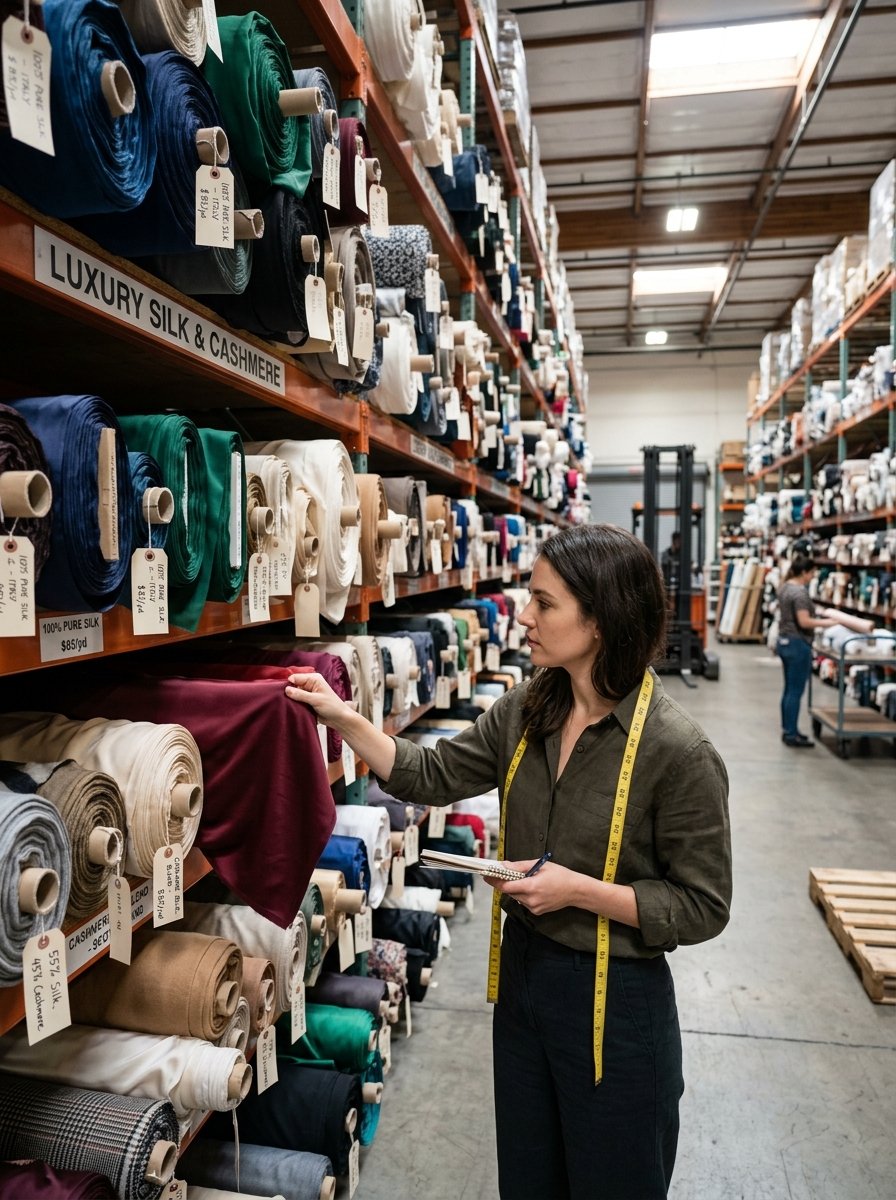
Buying raw materials cuts out the middleman entirely. Purchasing pure silk from a wholesale fabric supplier costs $15 a yard instead of buying a $200 silk pillowcase. Find a local fabric district and buy the raw textiles yourself. Paying retail for simple square items like scarves is a scam. You can cut and hem a scarf yourself in ten minutes.
Silk Scarf Tricks
Cut a square of silk and hem the edges quickly.
Cashmere Scrap Buys
Buy leftover cashmere pieces for patching clothes at home.
21. Local Fashion Show Promotion
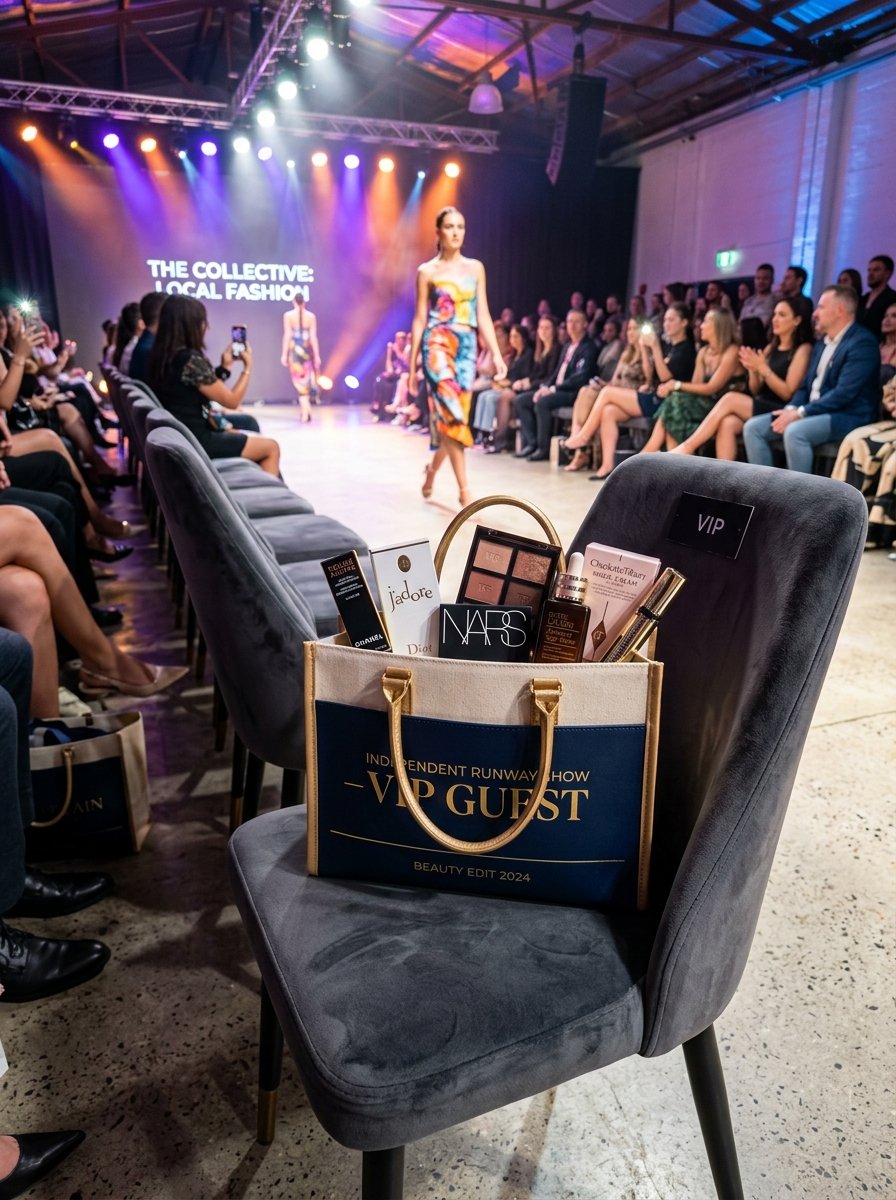
Small runway events often give away incredible swag bags. Attending a local fashion show promotion event scored me $150 worth of high end makeup and hair products for a $20 ticket. Search for independent runway shows in your area this month. Assuming only celebrities get free luxury products is completely incorrect. Brands sponsor local events to reach new customers constantly.
Swag Bag Values
The free gifts often exceed the ticket price entirely.
Networking For Discounts
Meet local boutique owners for insider pricing on clothes.
22. Emerging Clothing Brand Idea
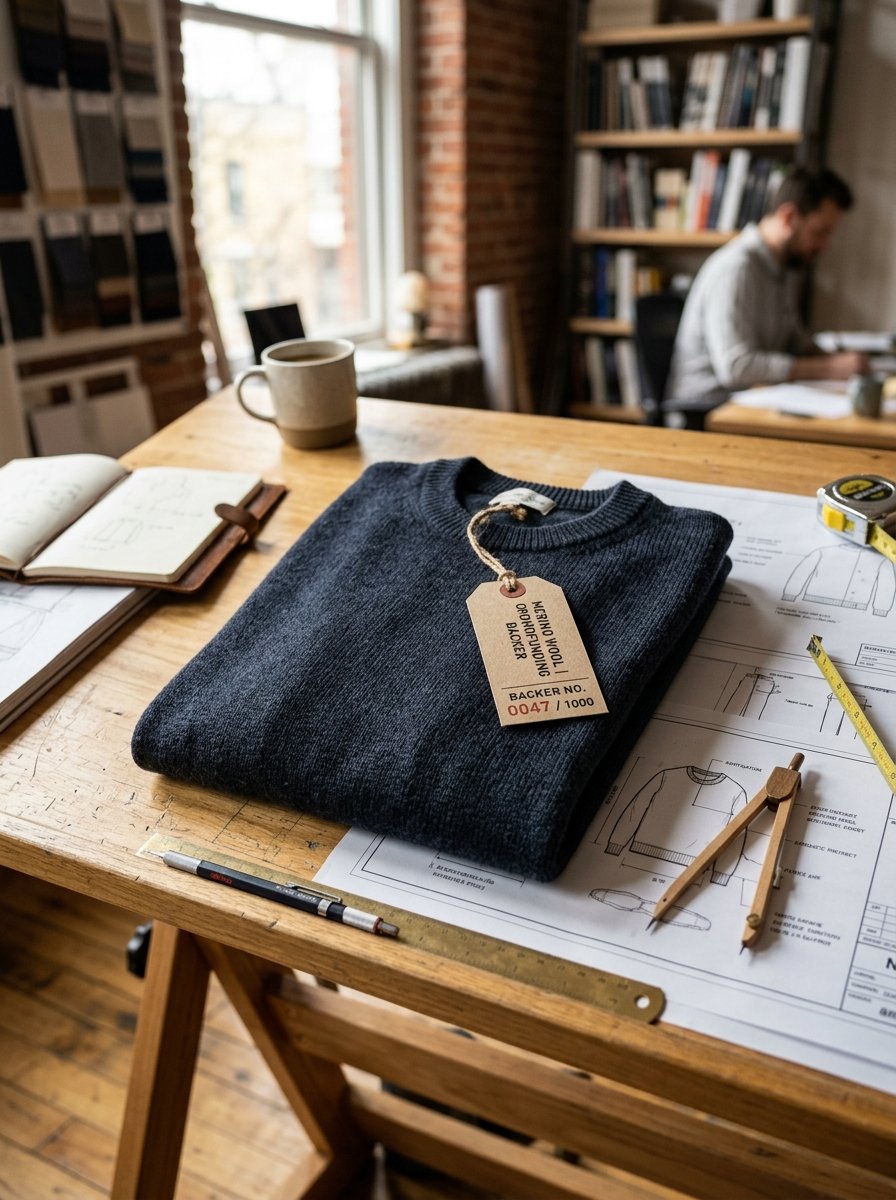
Kickstarter campaigns offer wholesale pricing to early backers. Funding a new clothing brand idea online gets you a $100 merino wool sweater for $40. Browse crowdfunding sites for apparel projects tonight. Waiting until the brand hits retail stores means you pay double the price. Early adopters always get the steepest discounts on high quality garments before anyone else.
Crowdfunding Discounts
Backers pay the manufacturing cost rather than retail markups.
Early Bird Pricing
The first fifty buyers get the cheapest tiers available online.
23. Strategic Brand Shop Sales
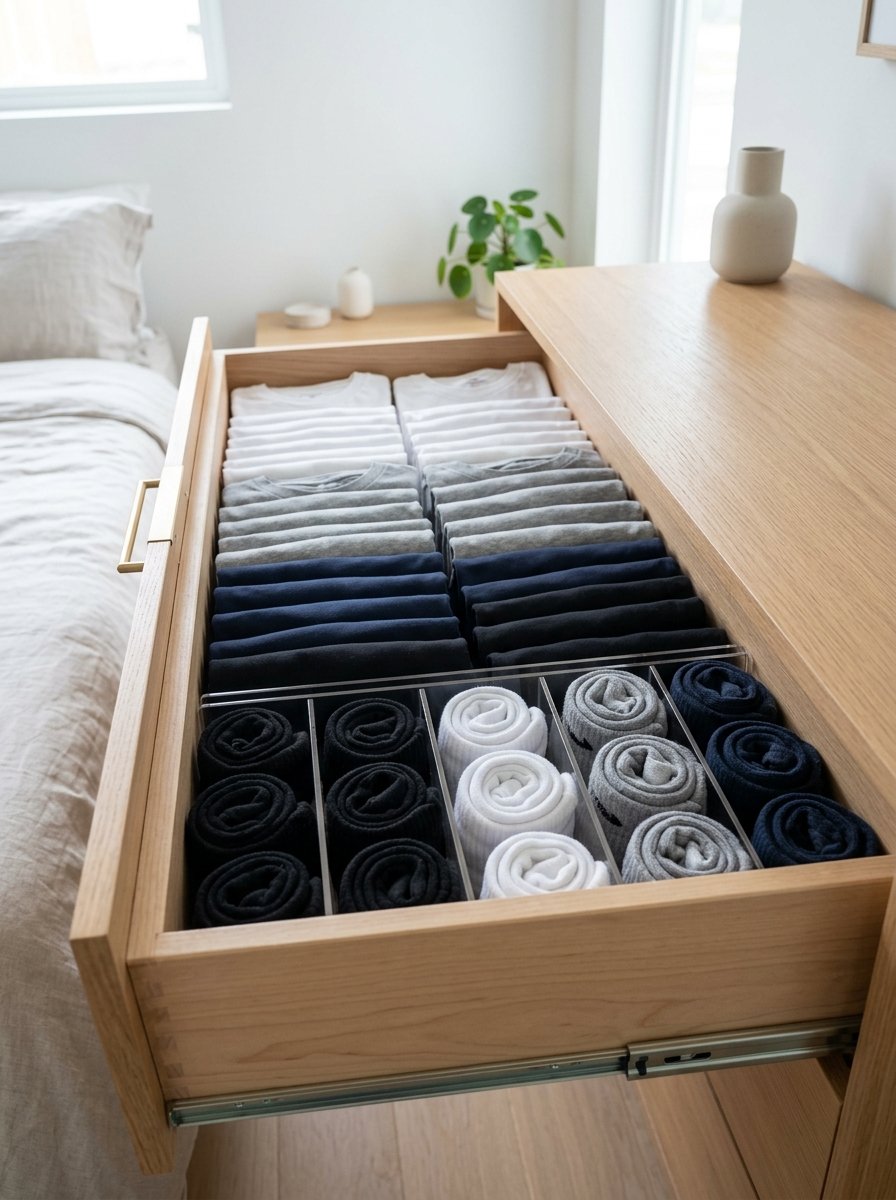
Direct to consumer brands rarely do random sales. When a brand shop like Glossier or MeUndies announces a Black Friday deal, you save 30 percent by stocking up for the entire year. Buy all your basics during the one annual sale. Buying items as you need them at full price ruins a tight budget. Hoarding basics during a sale saves hundreds annually.
Annual Sale Stockpiling
Buy twelve pairs of socks at once for very cheap.
Newsletter Early Access
Subscribers shop the sale before inventory runs out completely.
24. Minimalist Aesthetic Color Coordination
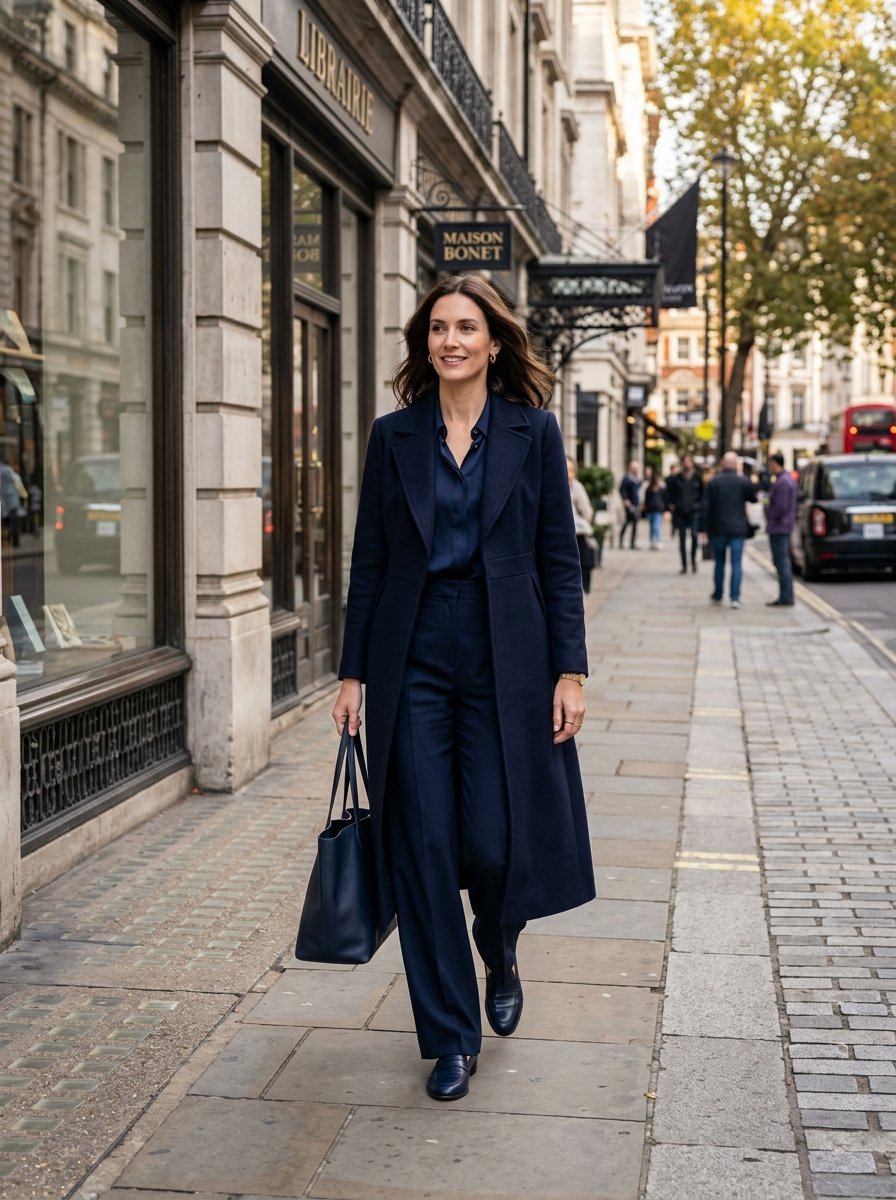
Sticking to navy and gray makes cheap clothes look expensive. Buying a $20 monochromatic outfit from H&M looks far more luxurious than a $100 outfit covered in loud logos. Audit your closet and donate anything with a massive graphic print. Thinking loud logos prove your wealth is a terrible fashion mistake. Stealth wealth focuses entirely on subtle matching tones.
Monochromatic Styling
Wearing all black hides cheap fabric quality instantly and perfectly.
Logo Free Wardrobes
Blank shirts look vastly superior to branded billboards walking around.
25. Shoe Cobbler Restoration Tricks
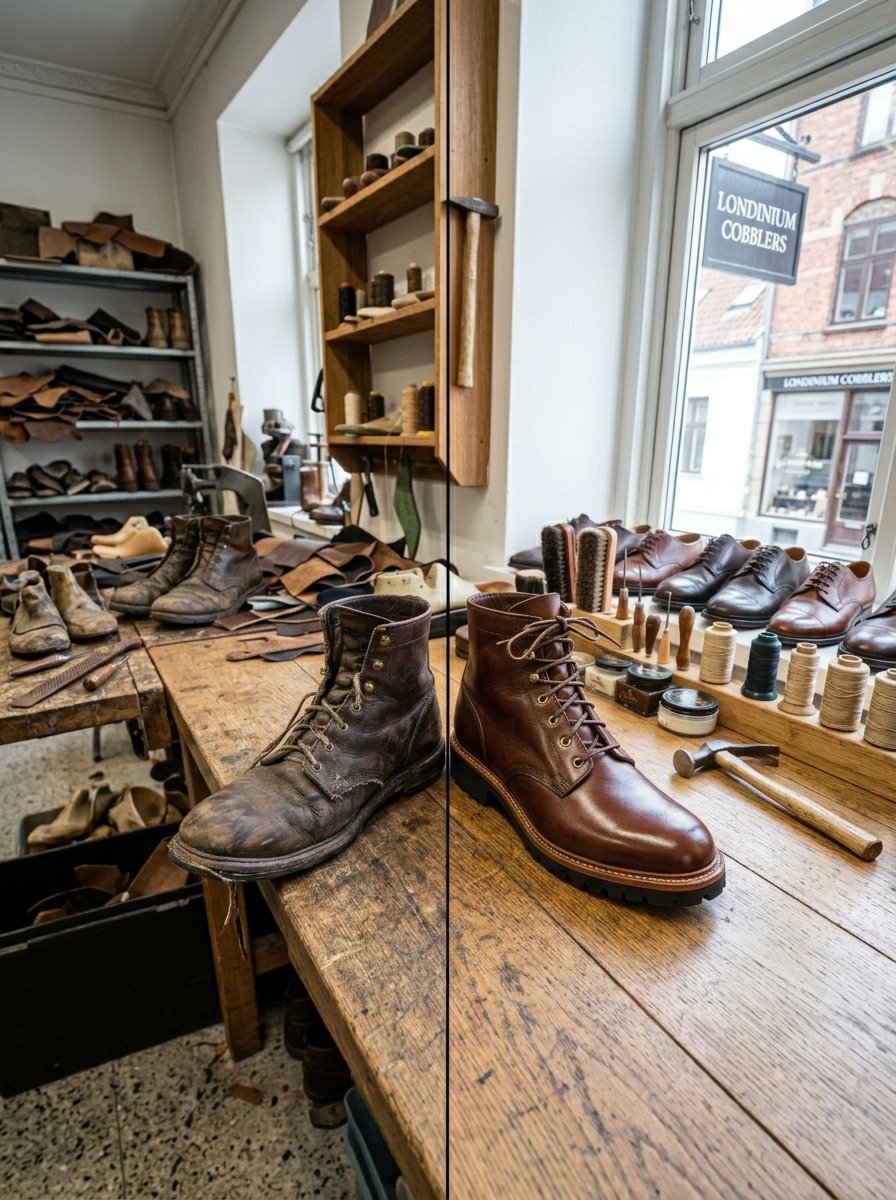
A good cleaning completely revives dead leather. Paying a cobbler $25 to resole your boots saves you from buying a new $150 pair. Take your beat up winter boots to a local shoe repair shop tomorrow. Throwing away expensive leather goods just because the sole wore out wastes massive amounts of cash. Good leather outlasts the rubber soles by decades.
Heel Replacement Costs
Ten dollars fixes a broken stiletto heel entirely and quickly.
Leather Conditioning Magic
A five dollar jar of wax restores faded leather perfectly.
Frequently Asked Questions
Is buying cheap clothing worth the money?
Purchasing a $10 shirt that falls apart after two washes wastes cash quickly. Spending $30 on a secondhand wool sweater provides ten years of wear easily. Calculate the cost per wear before buying anything new. True budget style requires quality fabrics over cheap construction every single time.
Local thrift stores in wealthy zip codes offer the lowest prices available. I consistently find $200 silk blouses for under $8. Online resale platforms rank second for aggressive pricing. Always check Facebook Marketplace for closet cleanouts in affluent neighborhoods near you.
What is the minimum budget for a good wardrobe?
You only need $250 to start a functional capsule wardrobe. Spend $100 on two high quality secondhand trousers and $150 on five versatile tops. Buying classic pieces slowly prevents you from wasting money on trendy items you never wear.
How do I spot fake designer items?
Counterfeiters always mess up the stitching and hardware weight. Authentic luxury pieces use heavy metal zippers and feature perfectly straight seams. Look up the specific serial number formats for your favorite brands online. Bringing the piece to an expert authenticator costs $10 and provides peace of mind.
Why do luxury clothes cost so much?
Designers spend heavily on marketing and store rents. You pay for the brand prestige rather than just the fabric. High end garments do use better silk and wool, but the markup remains incredibly high. Buying secondhand lets you skip the marketing tax entirely.
Are outlet stores actually cheaper?
Factory stores manufacture lower tier clothing specifically for the outlet malls. True deals only happen on the clearance racks at the very back of the store. Read the tags carefully to see if the item came from the main retail boutique originally.
Does fast fashion look like real luxury?
Most fast fashion pieces look cheap because they use shiny polyester. You can fake a luxury look by buying fast fashion items made from 100 percent cotton or linen. Always swap out the cheap plastic buttons for heavy metal hardware to trick the eye.
Can I tailor cheap clothes easily?
Tailoring works miracles on cheap garments if you buy the right size initially. A tailor can easily take in a waist or shorten a hem for $15. Buy items that fit your shoulders perfectly because altering shoulder seams costs too much money.
What fabrics look the most expensive?
Natural fibers always look wealthier than synthetics. Pure linen, heavy cotton, raw silk, and cashmere drape beautifully on the body. Avoid anything labeled acrylic or polyester blends. Checking the interior tag takes three seconds and saves you from buying cheap looking clothes.
How often do high end stores have sales?
Premium boutiques discount their seasonal inventory exactly twice a year. Winter clearance happens in late January while summer clearance hits in July. Mark your calendar for these specific windows to save up to 60 percent off retail prices.
Is renting clothes better than buying?
Renting makes perfect financial sense for formal wear you only plan to wear once. Spending $100 to rent a designer gown beats paying $800 to buy it. Everyday basic items should always be purchased rather than rented to keep costs low.
Where should I splurge versus save?
Spend your money on winter coats and leather footwear because they take a beating daily. Save your money on trendy tops, summer dresses, and basic t-shirts. A cheap shirt looks amazing when paired with an expensive, tailored jacket.
Swapping your shopping habits keeps cash in your wallet while filling your closet with gorgeous fashion brands. Start with the cheapest win today by searching resale apps for misspelled listings before buying anything new. Escaping the trap of dropping a full paycheck on one coat feels incredibly freeing. I saved thousands last year just by avoiding retail markups and checking thrift stores first. What piece of luxury clothing will you hunt down on a budget this weekend? Pin this guide to your style board so you always have these savings tricks handy.
The Forty Eight Hour Rule For Expensive Clothing
Retail therapy destroys budgets instantly. Force a waiting period on yourself. Any garment costing over fifty dollars stays in your online cart for exactly two full days. Marketers design websites specifically to trigger immediate panic buying through fake countdown timers. Walking away breaks the psychological spell of artificial scarcity. You will completely forget about eighty percent of the items you thought you desperately needed within the first twenty four hours. Cash stays safe in your bank account. Sales happen constantly across the internet every single day of the year without fail. Waiting protects your hard earned money from impulsive mistakes that fill your closet with unworn clutter and drain your savings entirely. My closet contains zero regret purchases because this simple habit filters out the expensive junk nobody actually wears.

Jason Lee blends real-world budgeting experience with creative savings strategies shaped by his background in community outreach and financial education. He specializes in building practical systems—like zero-based budgets, sinking funds, and spending trackers—that regular families can actually stick with month after month. At Dollar Pioneer, Jason focuses on user-friendly guides, printables, and templates that make smart money management more accessible, less intimidating, and easier to turn into a weekly habit.