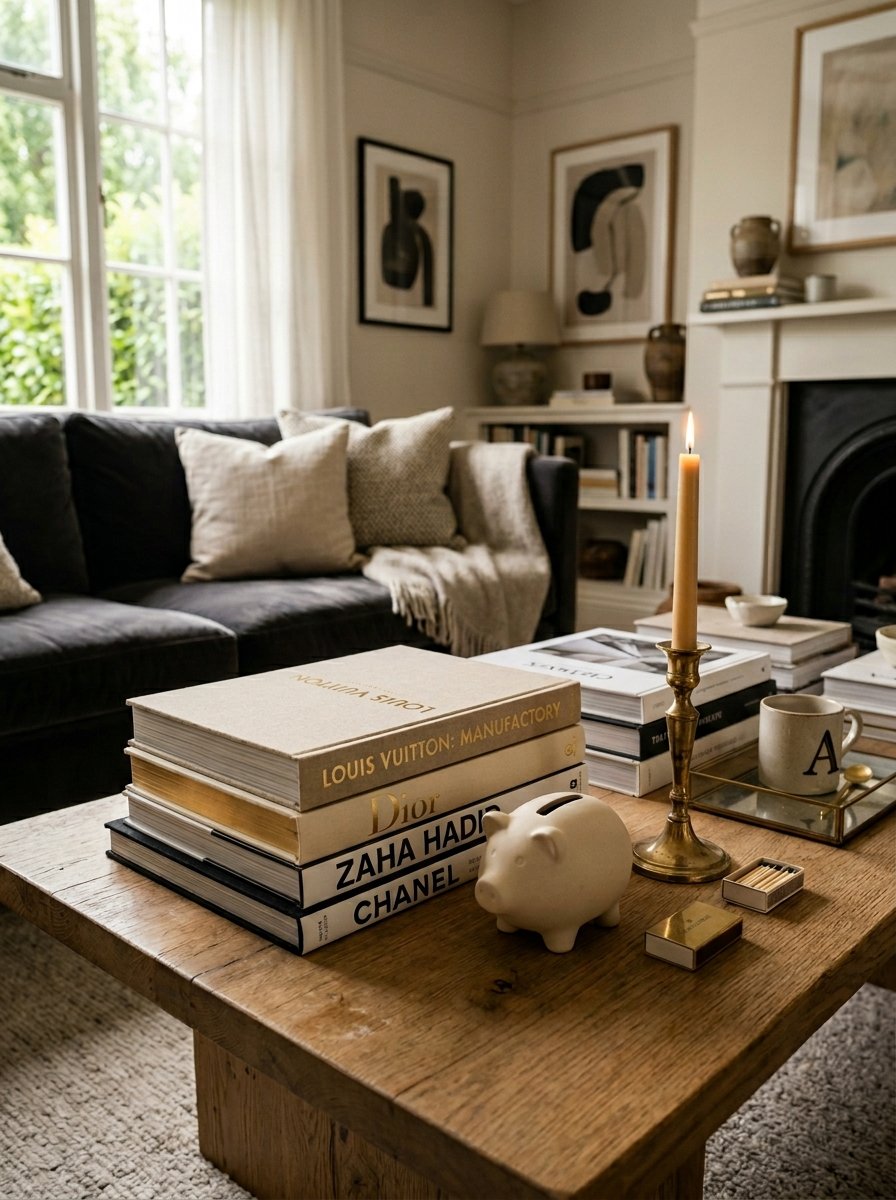
23 Tricks to Buy Expensive Fashion Books and Save $500 Today
Building a beautiful library of designer monographs drains your bank account fast. Dropping one hundred dollars on a single hardcover volume stings the wallet. Savvy readers curate stunning collections without paying retail prices. I cut my reading budget by seventy percent last year using alternate sourcing habits. You can acquire premium fashion books for less than the cost of a coffee. Buying brand new shrink wrapped copies from large retailers guarantees you overpay. Finding vintage runway retrospectives requires strategy instead of a massive budget. Your coffee table deserves gorgeous imagery. These specific shopping hacks keep cash firmly in your pocket.

You will save roughly $400 this year by swapping new releases for perfectly imperfect secondhand copies. Buying smart means paying $15 for a Tom Ford monograph instead of $135 at a boutique. We skip the overpriced luxury department stores entirely. Finding decorative volumes involves checking estate sales, utilizing digital trial periods, and hunting down miscategorized thrift items. Many people believe cheap copies look terrible on a shelf. Real style relies on the content inside rather than a pristine dust jacket.
1. Digital Archive Subscriptions

Reading massive historical anthologies costs a fortune in print. Subscribing to digital magazine archives gives you unlimited access for $10 a month instead of spending $200 on physical copies. Sign up for a trial period at Vogue Archive right now. Buying every heavy physical book weighs down your living room and empties your wallet. Digital versions provide exact replicas of the original pages for pennies on the dollar. Searching for a specific fashion books pdf online saves hundreds instantly. Reading on a tablet protects your budget while providing identical visual inspiration.
Monthly Trial Periods
Test the digital platform for free before committing your cash. You can screen record your favorite pages for personal reference later. A cheap tablet easily replaces a massive physical library.
2. University Library Passes

College campuses hide incredible fashion journalism archives. Buying an alumni or community library card costs $25 annually compared to buying $500 worth of academic design texts. Walk into a local design school library and ask for a community borrower application. Paying retail for obscure technical sewing manuals makes zero financial sense. Libraries stock the most expensive reference materials specifically because students cannot afford them. You get the exact same information for a fraction of the price.
Community Borrower Access
Local residents often qualify for cheap yearly memberships. You simply show a utility bill at the front desk to get started. Walking past the expensive campus bookstore saves you massive amounts of cash.
3. Thrift Store Coffee Tables

Wealthy donors abandon pristine designer volumes daily. Searching for fashion books to put on coffee table at Goodwill costs $4 rather than the $85 retail sticker. Visit charity shops in affluent neighborhoods early on Tuesday mornings. People assume thrift stores only stock old romance novels. The best fashion coffee table books sit right next to discarded cookbooks waiting for a sharp eye.
Wealthy Suburb Sourcing
High income areas discard premium items very frequently. Go on Tuesday mornings right after the weekend donation trucks unload. A quick wipe with a damp cloth restores these discarded gems beautifully.
4. Damaged Spine Discounts

A ripped dust jacket ruins the retail value immediately. Buying a hardcover with a tiny corner dent on Amazon Warehouse saves you $40 instantly. Search for used condition items and filter by acceptable wear. Refusing to buy slightly damaged books burns through your decorating budget. Once you stack fashion books decor aesthetic pieces on a table, nobody sees the back spine anyway.
Hidden Flaw Savings
Stacking hides tiny cover damage perfectly from guests. Position a smaller book on top of the scratch to hide it completely. Paying retail just for a perfect back cover makes zero financial sense.
5. Museum Gift Shop Sales

Exhibition catalogs go on deep discount when the show closes. Waiting for the final week of a textile exhibit at the MET drops a $65 book to $20. Mark your calendar for the closing dates of large local museum shows. Buying the catalog on opening night guarantees you pay the maximum markup. Museums desperately clear out remaining inventory to make room for the next exhibit.
End of Exhibition Clearance
Museums slash prices by seventy percent to clear warehouse space. Sign up for the museum newsletter to track exact closing dates quickly. You lock in the exact same glossy photography for practically nothing.
6. Estate Sale Bulk Buying

Retired designers leave behind massive personal libraries. Offering a flat $50 for a box of twenty fashion design books to read beats paying $30 per book individually. Attend local estate sales on Sunday afternoons when negotiators drop prices drastically. Buying books one by one costs a fortune. Liquidators want heavy boxes gone quickly and will accept low offers gladly.
Sunday Afternoon Haggling
Wait until the final hours to negotiate the cheapest bundle price. Carry cash in small bills to make exact offers quickly. Liquidators hate packing up heavy books and will take almost any low offer.
7. Out of Print Reprints
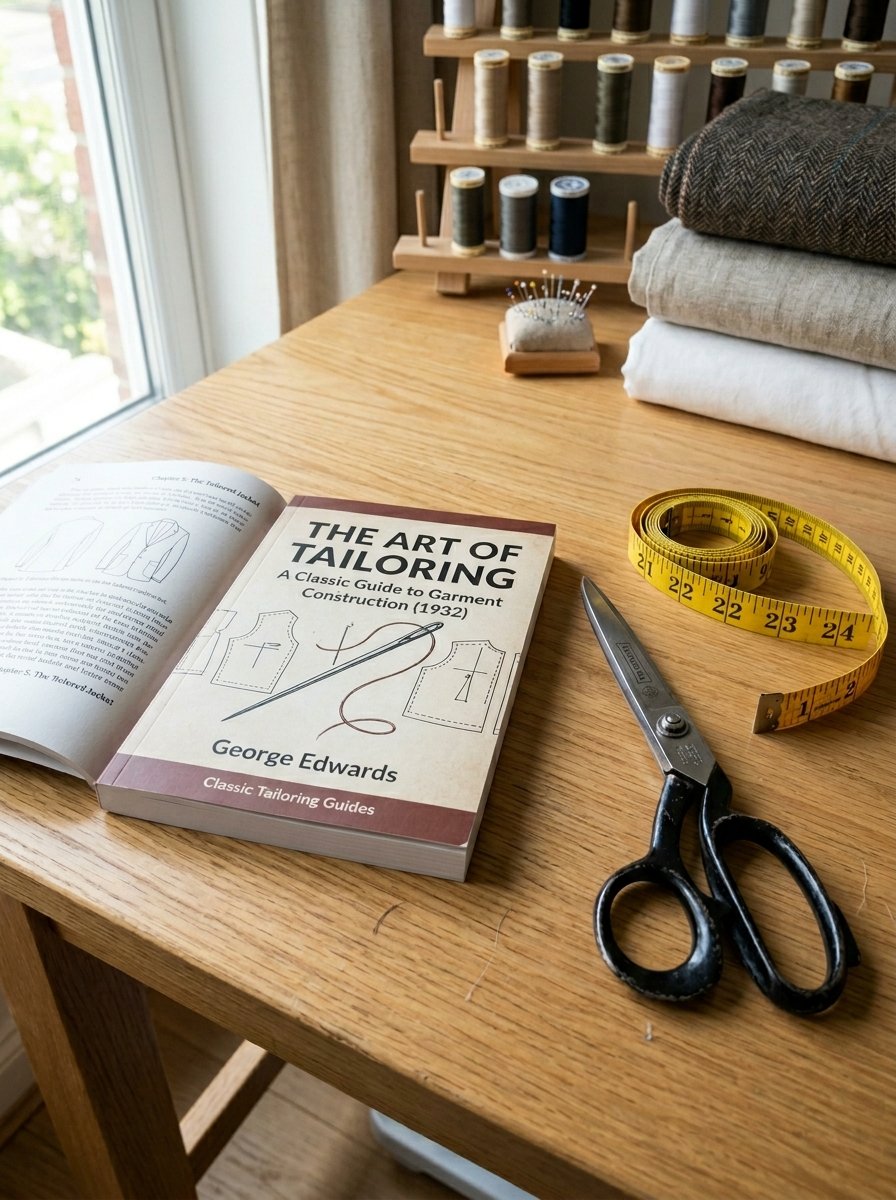
Original vintage editions sell for thousands at auction. Purchasing a modern softcover reprint from Dover Publications costs $15 instead of $1,500 for the rare antique version. Search for paperback reissues of classic tailoring guides today. Chasing first editions exists only for wealthy collectors with bottomless pockets. The sewing patterns and historical texts remain identical in the cheap paperback version.
Paperback Reissue Alternatives
Softcover versions provide the exact same knowledge for pennies. You can cut out the pages and frame them cheaply for your walls. Never pay antique prices for knowledge you can buy in paperback.
8. International Edition Swaps
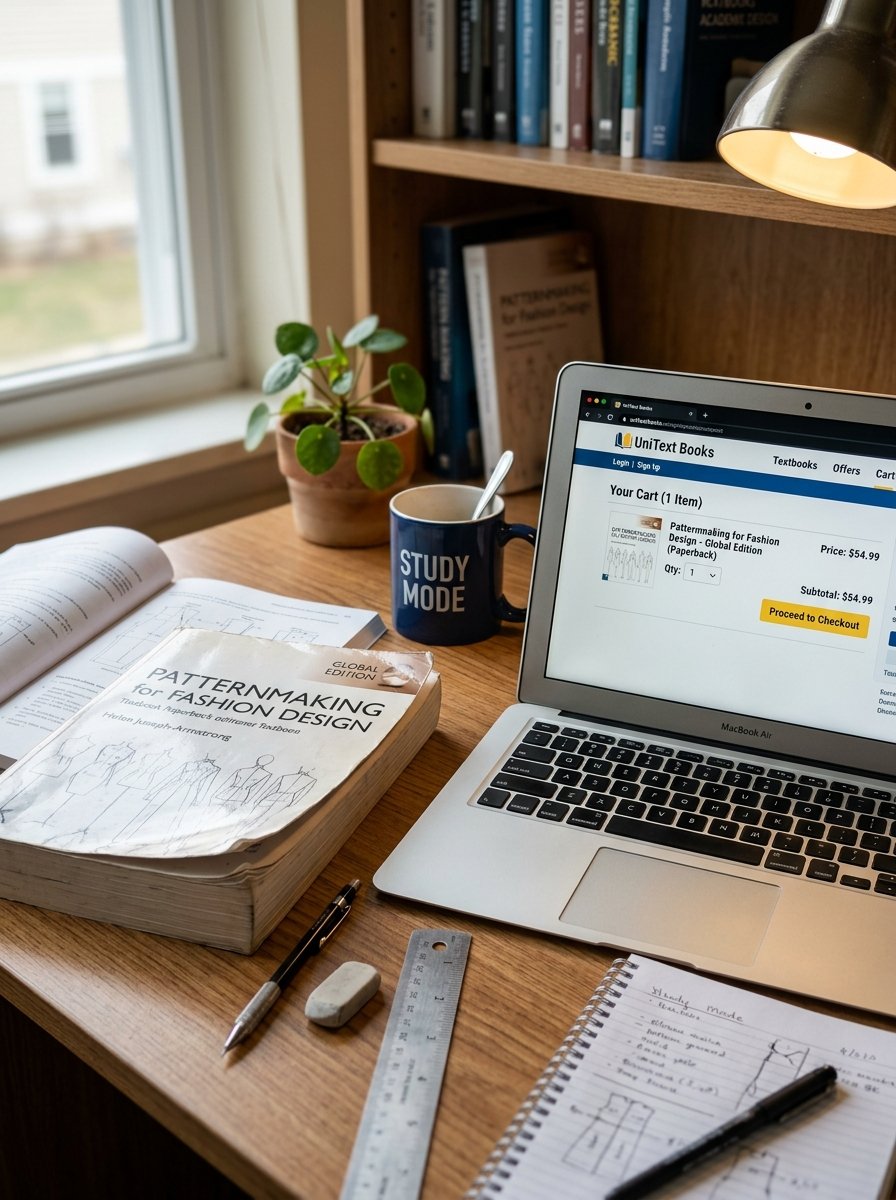
Textbooks cost triple the price in the United States. Ordering an international paperback edition of a pattern making guide from AbeBooks costs $25 instead of the $120 American hardcover. Search by ISBN and filter by international sellers. Believing you must buy the domestic version wastes massive amounts of money. The pages contain the exact same lessons printed on slightly thinner paper.
Global ISBN Searching
International sellers list identical texts at massive discounts online. Shipping takes two weeks longer but saves you an absolute fortune. You will never notice the slightly thinner paper quality while reading.
9. Publisher Mailing Lists

Independent art presses hold secret warehouse sales yearly. Signing up for the Phaidon email newsletter gets you a 40 percent off code during their spring clearance. Join three large art publisher mailing lists this week. Missing out on direct publisher sales means paying full retail at chain bookstores. Publishers skip the middleman and pass those margin savings straight to your inbox.
Spring Warehouse Clearance
Buy directly from the source to cut out retail markups. You get access to the warehouse clearance links hours before the general public. Setting a calendar reminder ensures you grab the best titles cheaply.
10. Textbook Rental Platforms

Students only need reference guides for four months. Renting the best books for fashion designing on Chegg costs $18 a semester instead of buying them for $95. Type your required reading list into a rental database tonight. Hoarding old textbooks you will never open again traps your cash in cardboard. Renting gives you the knowledge precisely when you need it cheaply.
Semester Rental Returns
Mail the heavy volumes back when the class finishes. Most rental platforms pay for the return shipping label entirely. You keep your living space completely free of heavy clutter.
11. Book Fair Clearance Bins

Local library sales price heavy volumes by the inch. Grabbing a stack of thick runway photography books at a library friends sale costs $5 total. Search online for weekend book fairs happening in your county. Buying new release photography books from a boutique drains your decor budget. Library sales specifically dump oversized items cheaply because they take up too much table space.
Pay By The Inch Sales
Thick visual guides become incredibly cheap at local fundraisers. Carry a sturdy tote bag to carry your massive haul home safely. These local events often have half price days on Sunday afternoons.
12. Digital PDF Marketplaces

Independent creators sell digital guides directly to readers. Downloading a pattern grading guide on Etsy costs $8 compared to a $45 physical textbook. Search for your specific skill requirement using the term digital download. Demanding a physical copy for every single technical guide limits your reading speed. A cheap digital file opens instantly on your laptop right in your workspace.
Instant File Downloads
Print only the specific pages you actually need at home. You save printer ink and keep your desk free of heavy books. Digital files never rip or stain when you spill coffee on them.
13. Secondhand Design Platforms

Niche marketplaces cater specifically to creative professionals. Buying a gently used portfolio guide on Depop costs $12 rather than $40 retail. Search resale apps using exact titles instead of browsing blindly. Assuming resale apps only sell clothes ignores a massive inventory of educational materials. Students sell their best fashion books for students cheaply the minute they graduate.
Post Graduation Selloffs
May and December offer the cheapest prices on academic materials. Search specifically during final exam week for the best deals. Desperate graduates drop their listing prices quickly to pay for moving expenses.
14. Ex Library Sale Racks

Public libraries constantly weed out older inventory. Buying a retired copy of a Chanel biography costs 50 cents directly from the library front desk. Ask your local librarian when they restock their discard cart. Letting a plastic protective cover stop you from buying a cheap book makes zero sense. You can easily peel off the library stickers with a little bit of heat.
Sticker Removal Tricks
A hair dryer melts the adhesive off old barcode labels quickly. Wipe the leftover sticky residue away with a tiny drop of rubbing alcohol. The book looks completely brand new underneath the plastic library shield.
15. Independent Zine Subscriptions

Massive magazines charge premium prices for glossy ads. Buying independent zines from local artists costs $5 and provides raw street style inspiration. Visit an independent record store or coffee shop to find locally printed fashion media. Relying solely on giant publishing houses for style inspiration gets very expensive. Small print runs offer highly specific niche content for a fraction of the cost.
Local Print Shop Finds
Buy from small creators while saving money on your reading list. These cheap zines often feature future industry stars before they get famous. You get authentic style inspiration without paying glossy magazine prices.
16. Review Copy Programs
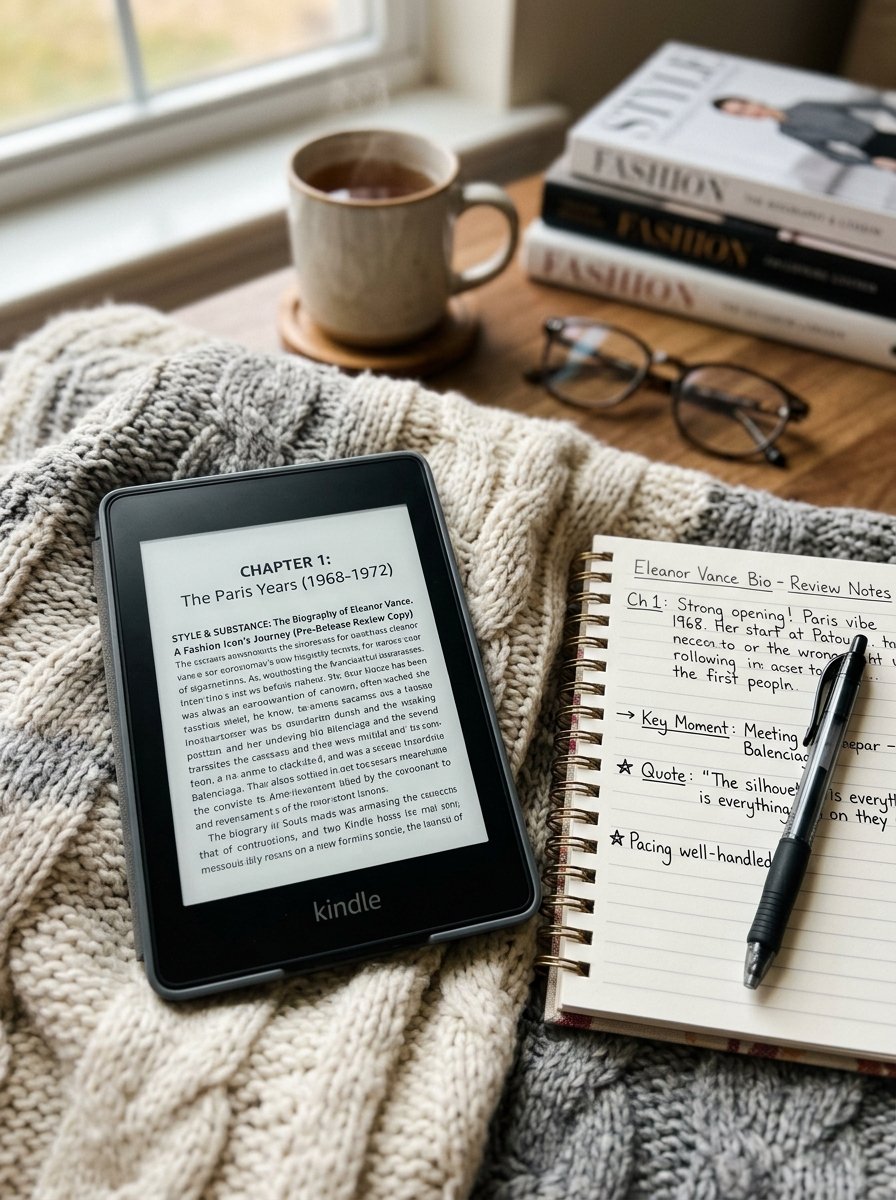
Publishers send free books to avid readers online. Signing up for NetGalley scores you zero cost digital copies of upcoming releases in exchange for a short review. Create a free account and request books to read for fashion designing right now. Paying for every new release hurts your wallet needlessly. You provide a short paragraph of feedback and keep the content forever.
Digital Review Trading
Write honest thoughts in exchange for entirely free reading material. The publishers only ask for three sentences of feedback online. You build a massive digital library without ever pulling out a credit card.
17. Boutique Closing Sales

Independent clothing stores use high end books as props. Offering the owner $30 for a display copy of an Alexander McQueen book during a store liquidation saves $70 off the cover price. Walk into closing retail shops and ask to buy their visual merchandising props. People assume display items are strictly off limits. Retailers liquidating their stock will sell absolutely anything to recoup cash.
Visual Merchandising Purchases
Buy the exact props used to make the store look wealthy. Store managers usually price these display books at five dollars just to get rid of them. Carry a heavy bag because you will buy a massive stack quickly.
18. Decorative Cover Swaps

Ugly cheap books look beautiful wrapped in luxury paper. Wrapping a 50 cent thrifted dictionary with high quality marble paper gives you instant fashion designer books decor for $3 total. Buy a roll of premium wrapping paper and fold it over your cheap hardcovers. Paying $150 just for a book to sit untouched on a shelf wastes money. Fake the high end aesthetic using clever paper folding.
Custom Dust Jackets
Wrap ugly thrift finds in beautiful textured paper for pennies. Use double sided tape to secure the paper tightly against the inside covers. Nobody ever reads the prop books so the cheap disguise lasts for years.
19. Auction House Lots

Online liquidators sell massive pallets of mixed goods. Bidding on a mixed lot of books for fashion lovers on ShopGoodwill often wins you ten books for $15. Check online charity auction sites instead of buying from retail stores. Overpaying for a single book hurts when you can buy an entire shelf for the same price. Bidding on bulk lots secures the lowest price per unit available.
Bulk Bidding Strategies
Set a strict maximum bid to avoid emotional overspending online. Factor in the shipping cost before you place your final offer. You can sell the books you do not want to recoup your entire investment quickly.
20. Remainder Book Websites
Overstock copies get marked with a sharpie and sold cheaply. Buying a remaindered biography on BookOutlet costs $6 instead of the $28 retail price. Search remainder sites for titles that debuted over a year ago. Caring about a tiny black dot on the bottom pages ruins your chance at massive savings. That tiny ink mark slashes the price by eighty percent instantly.
Sharpie Mark Discounts
Publishers mark the bottom edges to prevent full price retail returns. You literally save fifty dollars because of a single tiny sharpie dot. Stack the book horizontally on a table and the mark vanishes completely.
21. Crowdfunded Preorders

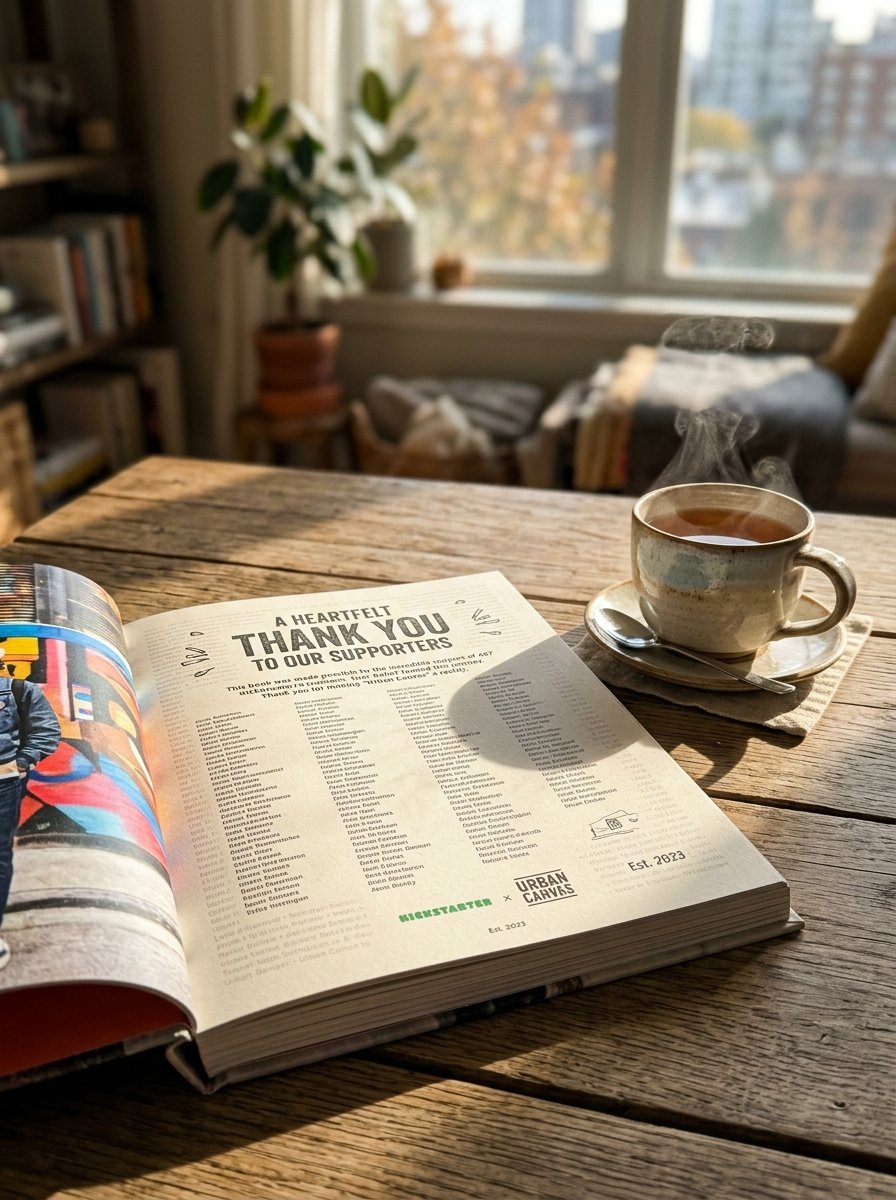
Backing a project early locks in the absolute lowest printing price. Pledging $25 to a Kickstarter for a new street style photography book beats paying $60 when it hits bookstores later. Browse the publishing category on crowdfunding sites this week. Waiting until a project goes viral guarantees you pay the highest markup. Early supporters always get the deepest discounts directly from the authors.
Early Bird Pledges
Lock in the cheapest tier before the project hits its funding goal. Your name often gets printed in the back of the book as a bonus. You get premium hardcover quality directly from the artist for paperback prices.
22. Regional Swap Meets

Flea markets hide specialized vendors dealing in cheap printed matter. Haggling for a stack of vintage Vogue magazines drops the price to $1 per issue. Wake up early on Saturday and dig through boxes at a local flea market. Paying $20 for a single vintage issue on eBay hurts your wallet. Buying in person lets you negotiate bulk pricing directly with the seller.
In Person Haggling
Hold cash in your hand to secure the best possible discount. Vendors hate carrying heavy boxes back to their trucks at the end of the day. A five dollar bill buys a massive stack of vintage magazines at closing time.

Forming a buying group splits the cost of rare items. Splitting a $300 archival fashion history book with three friends means you only pay $75 for access. Text your creative friends about starting a shared reference library. Believing you must own everything yourself keeps you chronically broke. Sharing expensive resources gives everyone access to premium materials cheaply.
Group Buying Tactics
Rotate the physical book between houses every single month. You can pool your cash to buy a massive four hundred dollar archive piece easily. Sharing the financial burden means everyone gets to read the best material.
Frequently Asked Questions
Are cheap fashion books worth buying?
Buying a $5 secondhand hardcover beats paying $85 retail every single time. The internal pages remain identical regardless of where you shop. A thrifted copy provides the exact same visual inspiration and historical text as a brand new copy. Spending less simply leaves cash in your wallet.
Where do I find cheap designer books?
Local estate sales and charity shops in wealthy zip codes offer the absolute best prices. You easily find heavy coffee table volumes for under $10 at these locations. Online resale apps like eBay and Depop also list massive discounts on older editions.
What is the minimum budget for a good library?
You only need $30 to start a solid collection of reference materials. Buying three thick thrifted volumes gives you a great foundation cheaply. Trying to buy everything brand new forces you to spend hundreds unnecessarily. Start small and buy strictly secondhand.
How do I fix a damaged book spine?
A $3 bottle of specialized bookbinding glue repairs loose pages perfectly. Apply a tiny amount with a thin brush and press the spine flat overnight. Refusing to buy slightly damaged books means you miss out on eighty percent discounts easily.
Why do luxury books cost so much money?
Publishers charge premium prices for heavy glossy paper and image licensing fees. Buying a new Dior retrospective funds their massive marketing budget. Purchasing a used copy bypasses that retail markup completely while still delivering beautiful photography.
Should I buy digital or physical copies?
Digital pdf files cost literally pennies compared to physical hardcovers. Downloading a $10 vintage archive scan saves you from hunting down a $400 out of print antique. Physical copies look beautiful on a table, but digital files preserve your budget entirely.
How do I choose fashion design books?
Knowing how to choose fashion design books on a budget saves you from buying useless filler. Look for thick volumes with high quality photography and step by step construction details. Avoid buying generic summary guides because they offer zero real value for the high retail price tag.
Are museum catalogs cheaper after the show?
Yes, museums slash catalog prices drastically during the final week of an exhibition. A $75 hardcover drops to $20 very quickly to clear out inventory. Never buy the book on opening night unless you hate keeping cash in your bank account.
How can I make cheap books look expensive?
Wrapping a $1 thrifted textbook in $4 textured marble paper fakes a high end aesthetic instantly. Stacking beautifully wrapped books on a coffee table creates an incredibly wealthy look for roughly $5 total. Nobody will ever see the cheap cover underneath.
Do student discounts apply to design books?
Using an active college email address saves you roughly fifteen percent on major retail sites. Combine that discount with clearance sales to stack your savings heavily. Never check out online without searching for an educational discount code first.
Can I rent expensive fashion textbooks?
Rental platforms like Chegg offer semester long rentals for under $20. Buying a $150 pattern drafting guide wastes money if you only need it for one project. Renting keeps the heavy volumes out of your house and the cash in your pocket.
Are international editions different from domestic ones?
International paperbacks contain the exact same text and images as the expensive American hardcovers. Ordering an overseas edition saves you roughly sixty percent right away. The paper feels slightly thinner, but the visual content remains totally unaltered.
What is the best way to buy in bulk?
Bidding on mixed lots at online charity auctions drops the price to $2 per book. Sellers want heavy pallets gone quickly and price them low to move fast. Splitting a bulk box with a friend cuts your decorating costs in half instantly.
Preserving Your Thrifted Fashion Book Investment
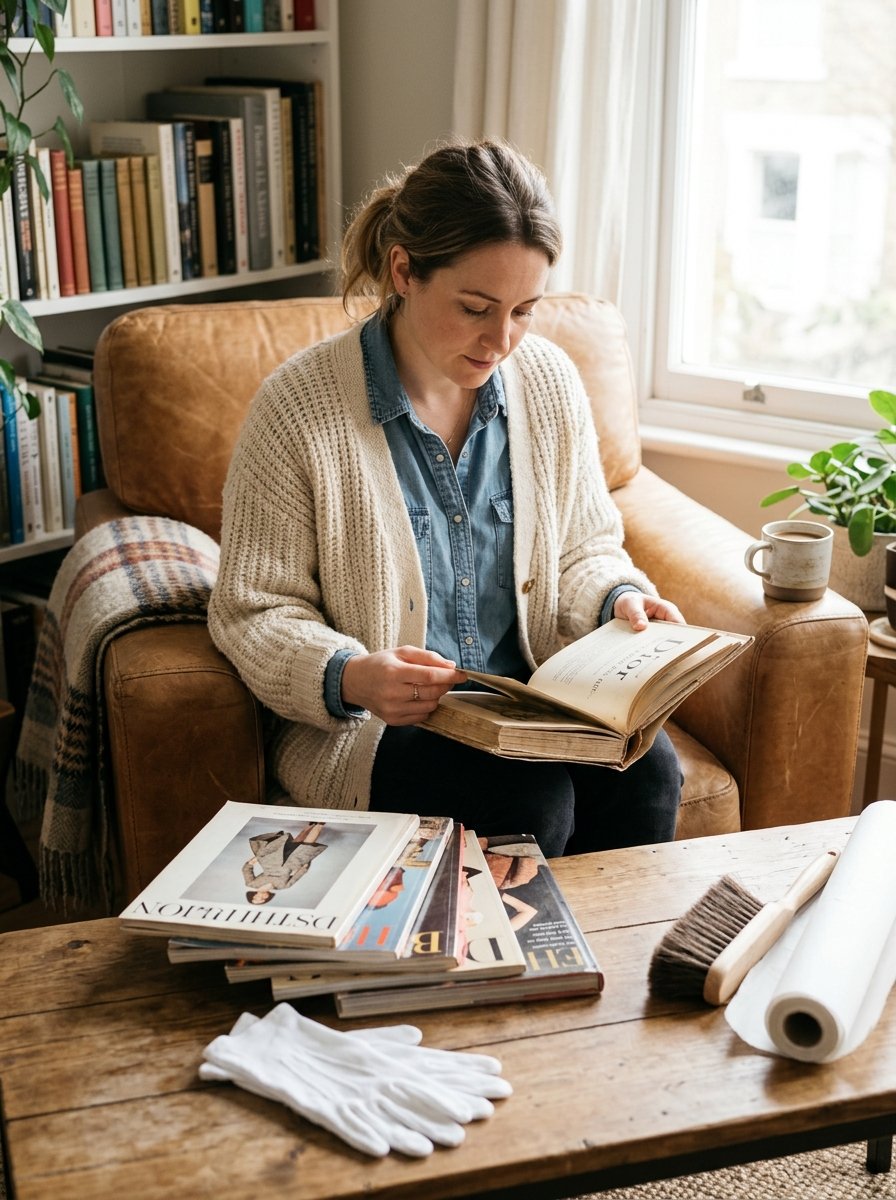
Dust destroys glossy pages faster than anything else in your home. You must wipe down the tops of your stacked volumes weekly with a dry microfiber cloth to prevent permanent staining. Storing heavy hardcovers directly in direct sunlight fades the expensive photography in less than three months. You should always pull the blinds in your living room during peak afternoon heat. Buying a $4 UV protective window film saves your $50 secondhand library from turning yellow and brittle. Stacking more than four heavy books creates too much weight and cracks the spine of the bottom copy permanently. You keep your cash secure by treating cheap thrift store finds exactly like museum artifacts.
Slashing your reading budget feels incredibly satisfying when the shelf looks this beautiful. You now possess the exact blueprint to source premium fashion books without emptying your checking account. Start your hunt at a wealthy neighborhood charity shop tomorrow morning for the fastest $80 savings possible. I saved a fortune ignoring the retail bookstores and hunting down hidden bargains instead. Which secondhand volume will you place on your coffee table first? Pin this money saving guide to your decor board so you always shop smart.

Jason Lee blends real-world budgeting experience with creative savings strategies shaped by his background in community outreach and financial education. He specializes in building practical systems—like zero-based budgets, sinking funds, and spending trackers—that regular families can actually stick with month after month. At Dollar Pioneer, Jason focuses on user-friendly guides, printables, and templates that make smart money management more accessible, less intimidating, and easier to turn into a weekly habit.